What Great Acting Looks Like When Nobody Is Yelling

Updated: Aug 28
I have been acting since I was about twelve, and for more than twenty years theater was a constant part of my life. I trained in Australia, worked across stage and screen, and eventually moved deeper into directing and cinematography. The longer I have worked with actors, the less interested I have become in performances that simply announce how much effort went into them.
If you search for examples of great acting online, you will find a lot of yelling, crying, breaking down, and enormous emotional releases. Some of those scenes are brilliant. But volume is easy to recognize, which is not the same as saying it is the highest form of the craft. A quiet reaction can carry more story than a page of dialogue.
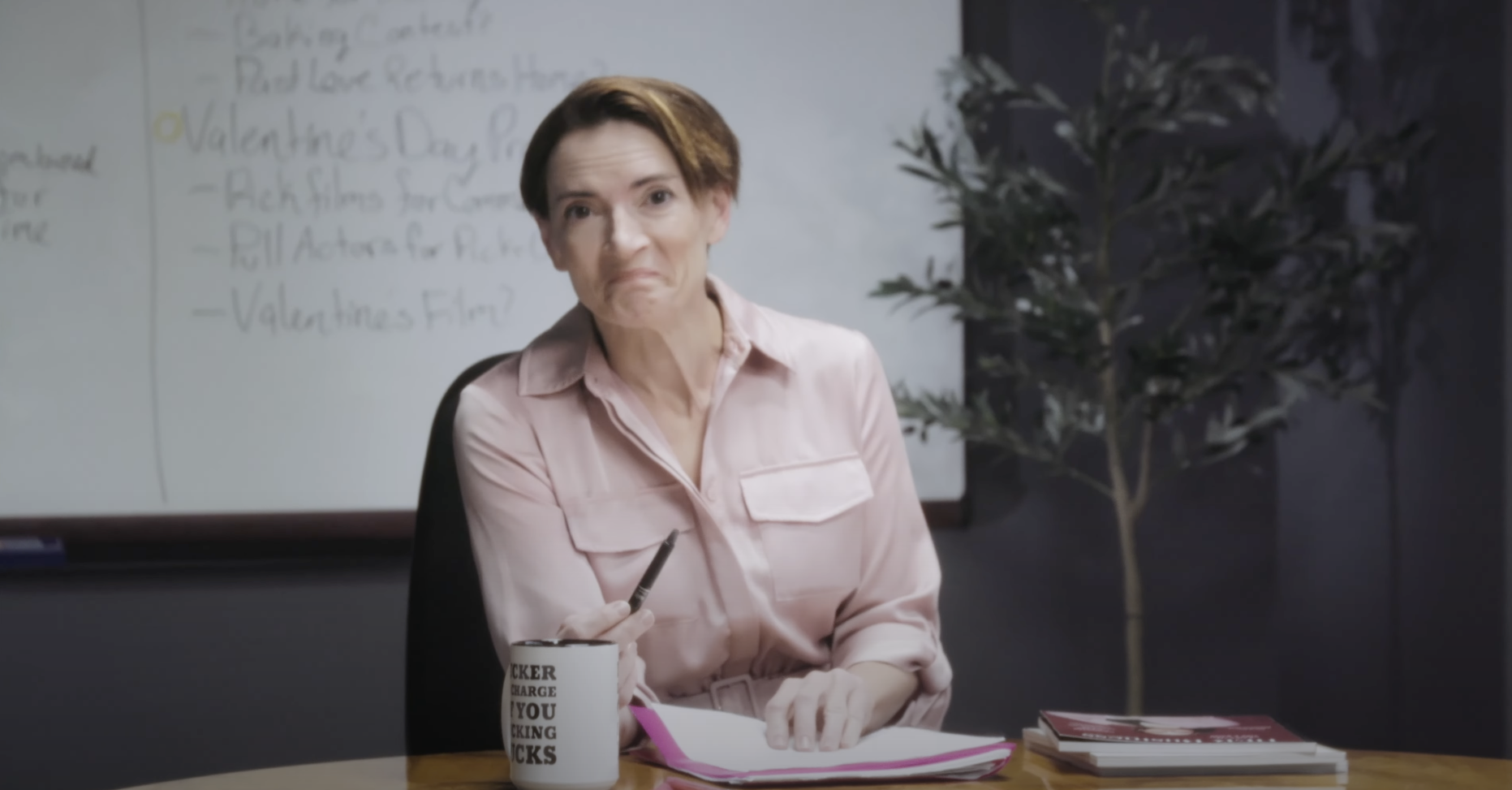
Big emotion is only one part of the instrument
Anger and grief give actors obvious things to play, and audiences understand those emotions immediately. The danger is assuming that visible intensity equals truth. A performance can be loud and still feel empty. It can also be almost still and completely hold the screen. The real question is whether the behavior belongs to the character, the circumstances, and this exact moment, rather than whether the actor appears impressive.
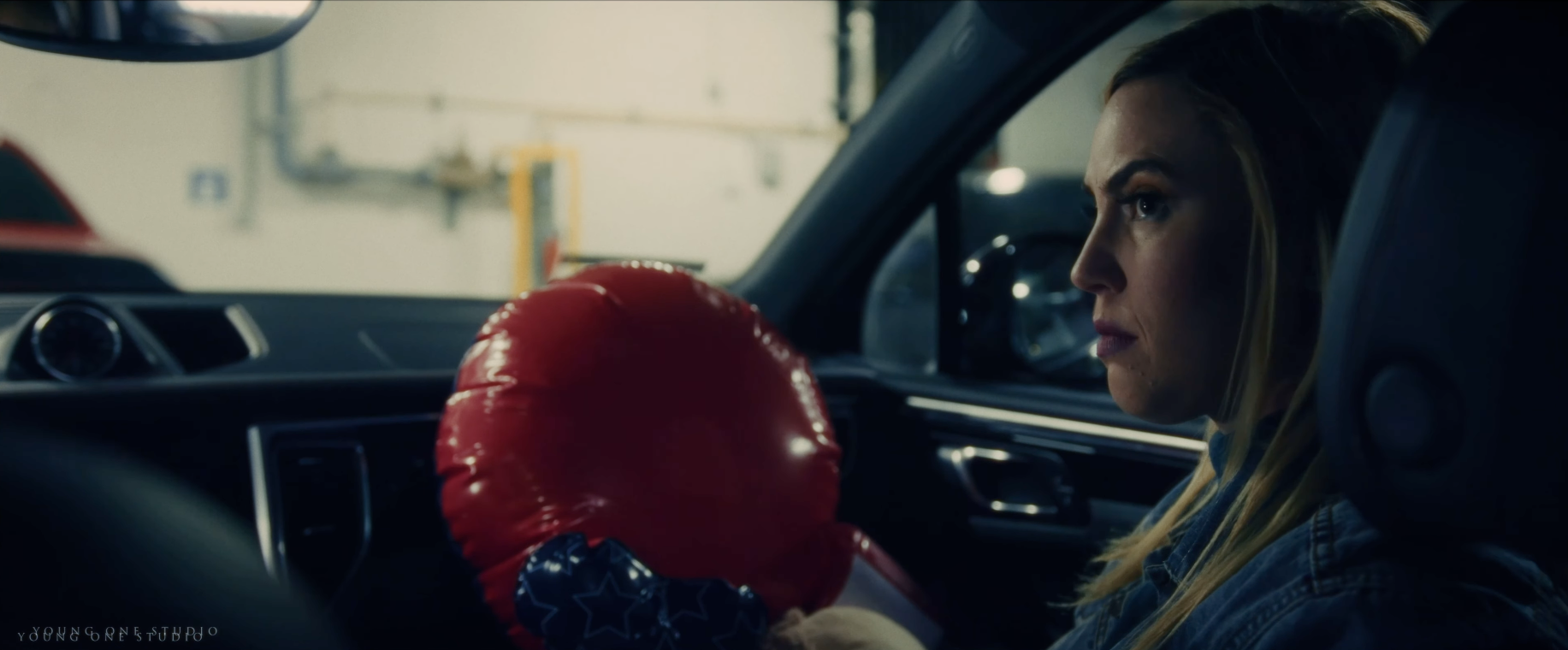
Reacting is acting
When I direct, I watch what actors do while somebody else is speaking. Are they receiving the words, or are they waiting for their next line? The effect of dialogue lives partly in the listener. A reveal only lands if it changes the other person. A threat needs somewhere to go. A joke becomes funnier when we see who is trying not to laugh. The camera notices thought, and reaction shots often become the emotional spine of an edit.
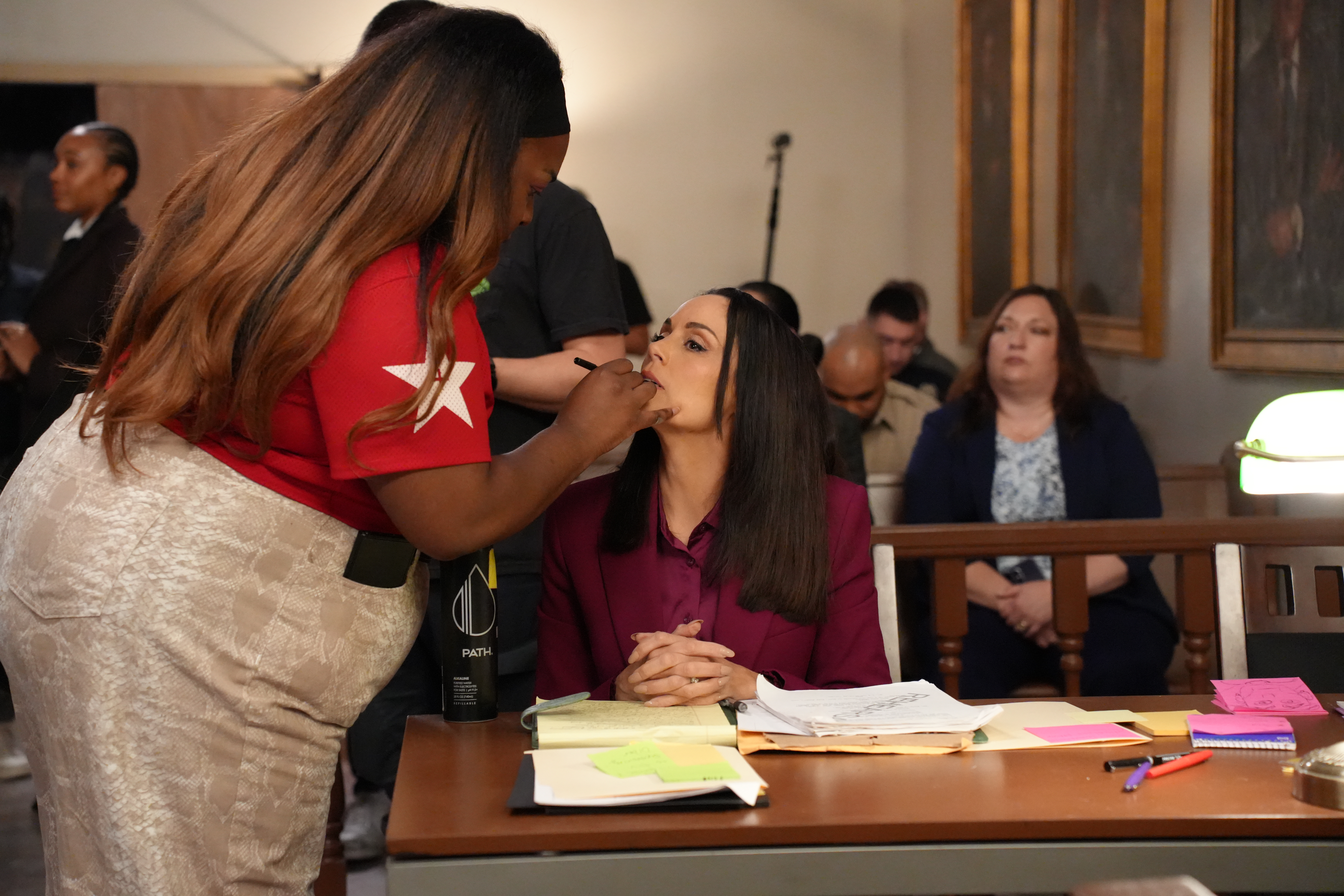
The body tells the story before the dialogue does
Physicality is not limited to stunts or falling over. It is how a character enters a room, occupies a chair, protects their space, or avoids another person's eyes. Posture, rhythm, breath, and gesture can tell us who has power before the scene explains anything. Actors such as Bryan Cranston are compelling partly because the whole body changes with the character. The transformation is not a costume placed on top of the performance.
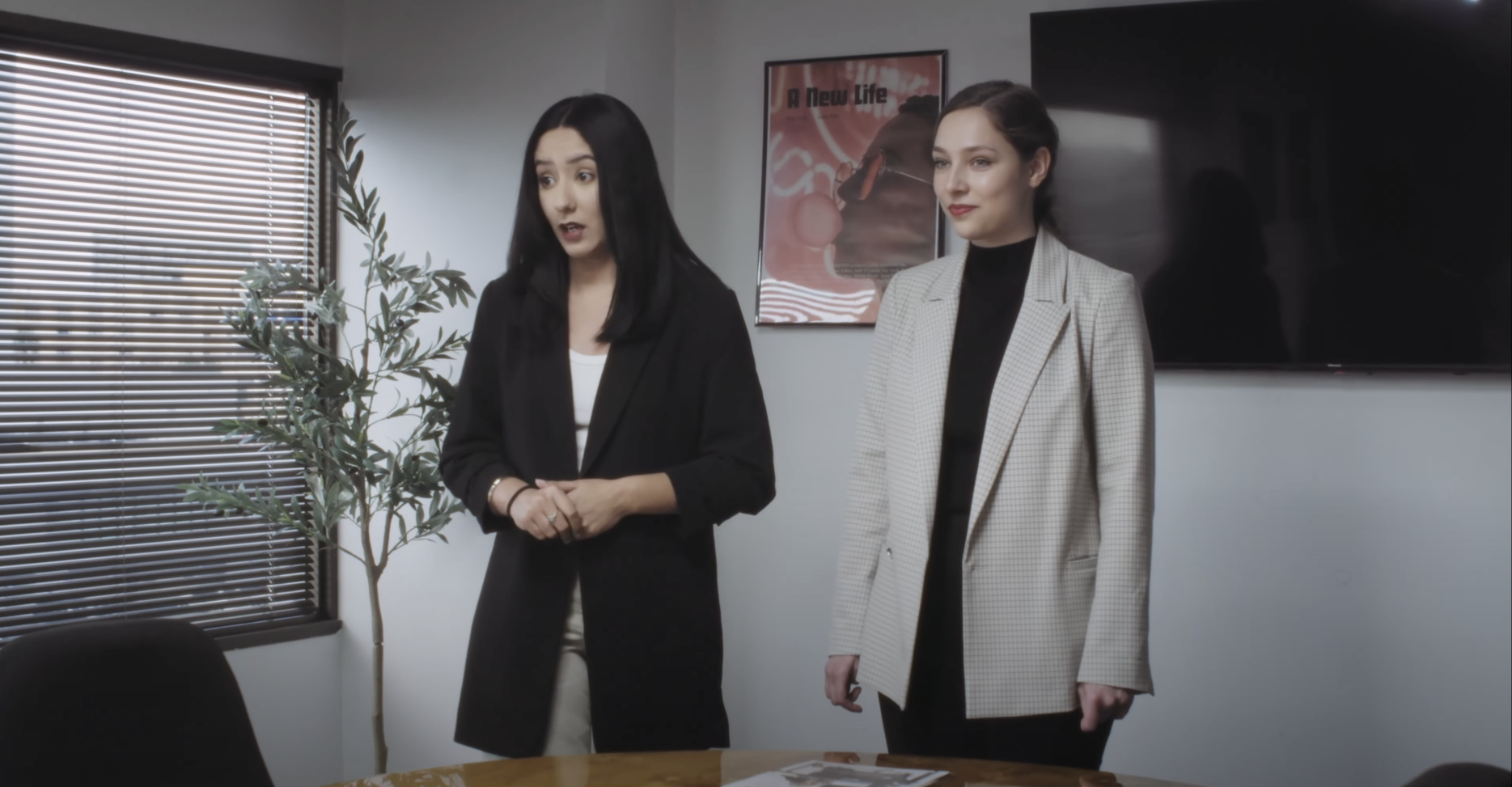
Technique should support the room, not dominate it
I am not against method acting or any other approach that produces honest work. I am against using process as an excuse to make a set unsafe, unpleasant, or impossible for everyone else. The result has to justify the method, and the method still exists inside a collaboration. You can work deeply without treating colleagues badly. Professionalism and commitment are not enemies.

Practice what happens between the lines
The next time you rehearse a scene, spend less time planning the emotional result and more time listening. Notice what changes when the other person speaks. Give the character a physical life. Let silence do some work. Then watch the recording without sound and ask whether the story is still visible.
Great acting comes in many forms, and no actor has to excel at every possible style. But listening, truthful response, and specific behavior travel across genres. Those skills do not always create the loudest clip online. They create the performances we continue thinking about after the scene is over.

Comments