How Actors Can Adapt to Different Directing Styles

Every director approaches filmmaking differently. Personality, training, preparation, and the project shape how a director communicates. An actor who expects one correct method will struggle. An actor who understands the room and adapts becomes a more valuable collaborator.
Actors often spend years developing a personal process, then arrive on a set where the director communicates in a completely different language. One director discusses objectives and relationships. Another talks almost entirely about frame size, pace, and marks. A third gives very little direction at all. Adaptability allows the actor's craft to remain useful across those environments.
Adapting does not mean abandoning preparation or accepting harmful behavior. It means listening for the information beneath the director's style. A technical note may contain an emotional need. A broad emotional note may have a practical framing reason. The actor's task is to translate what is useful into playable behavior.
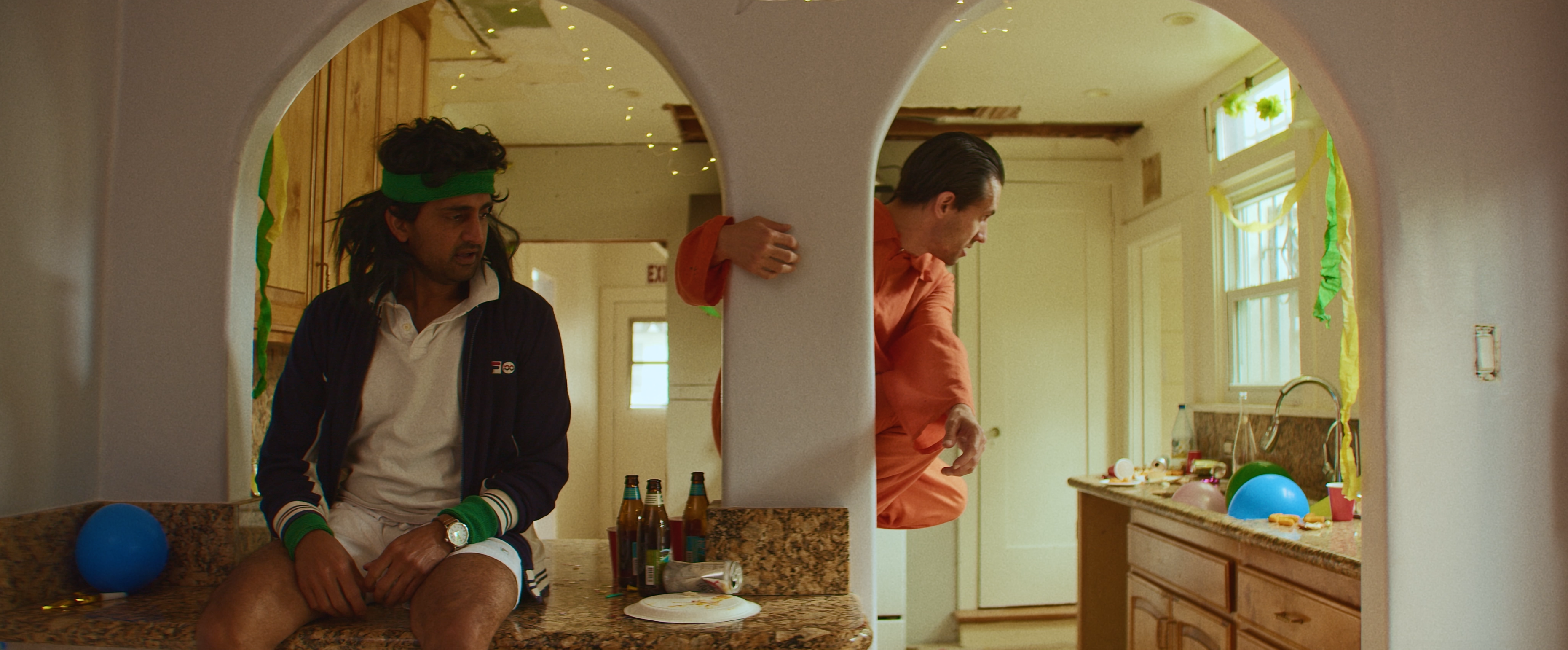
The precise visual director
Some directors arrive with storyboards, exact camera movement, blocking, tone, and pacing planned. Listen carefully, ask focused questions, and align the performance with the visual structure. They value actors who translate notes quickly and repeat adjustments.
With a visually precise director, preparation often includes repeatability. The camera move, focus pull, light, and performance may need to meet at an exact moment. Rather than experiencing that structure as a restriction, use it as choreography. Once the pathway is understood, attention can return to the scene while the body reliably supports the shot.

The collaborative director
Other directors shape scenes through conversation, alternatives, and improvisation. Bring ideas without taking control. The strongest collaboration is not a contest. It is a search for the version that serves the film.
Collaborative directors may invite alternatives and improvisation, but openness still needs discipline. Bring ideas that serve the relationship and story, not ideas designed to prove authorship. Listen when the director selects or combines options. Collaboration succeeds when experimentation leads toward one film rather than several people protecting separate versions.
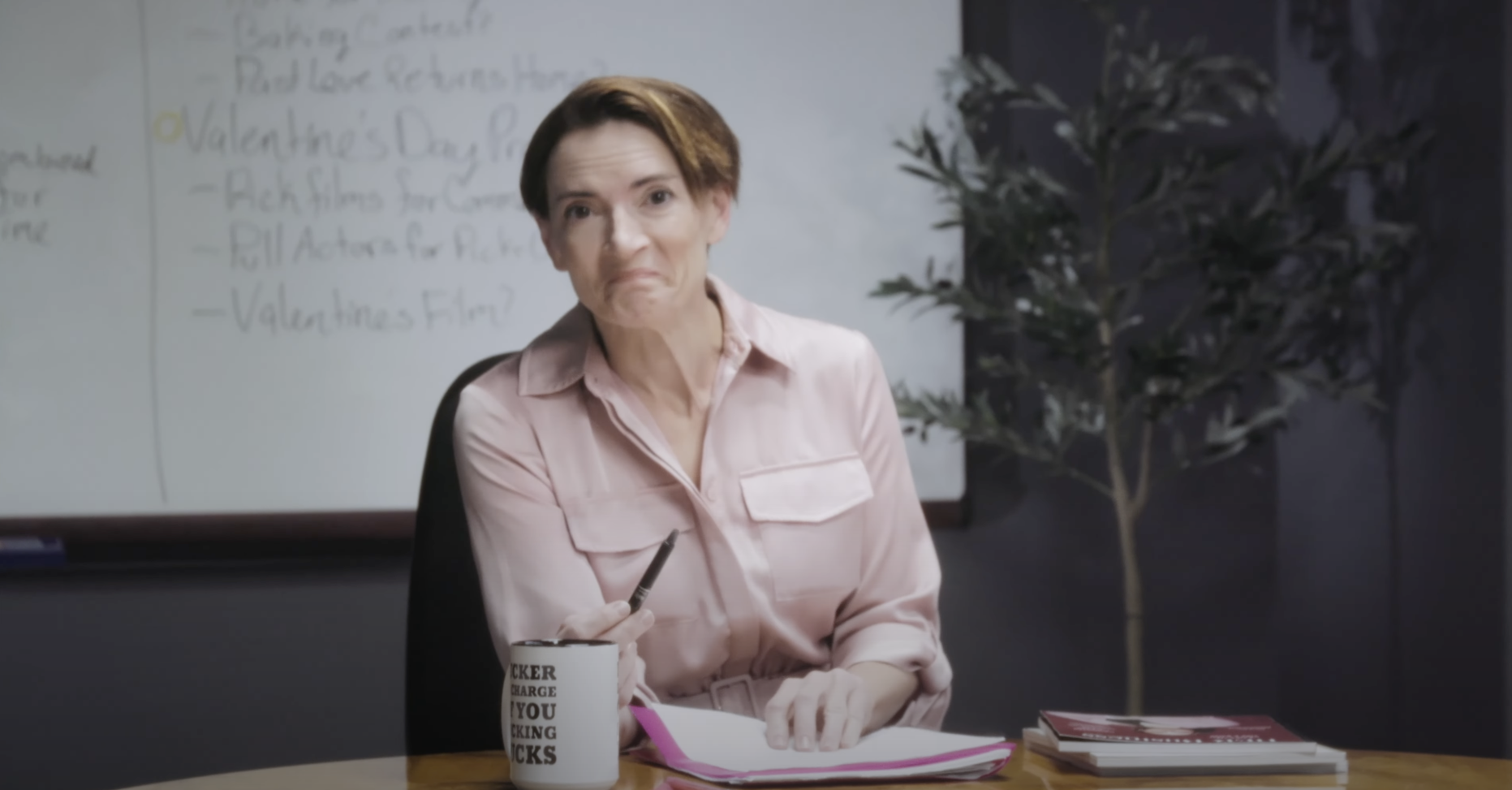
Technical and actor-focused directors
A technical director may discuss marks, eyelines, lenses, and continuity. An actor-director may speak through relationships, objectives, and emotional behavior. Both approaches can lead to nuanced work when you understand the language being offered.
Technical notes can feel emotionally empty until they are translated. Faster may mean the scene is losing urgency. Hold the eyeline may protect the connection inside a close-up. Land on the mark may keep the eyes in focus. Actor-focused notes travel in the other direction, beginning with need or relationship. Learn to move comfortably between both vocabularies.
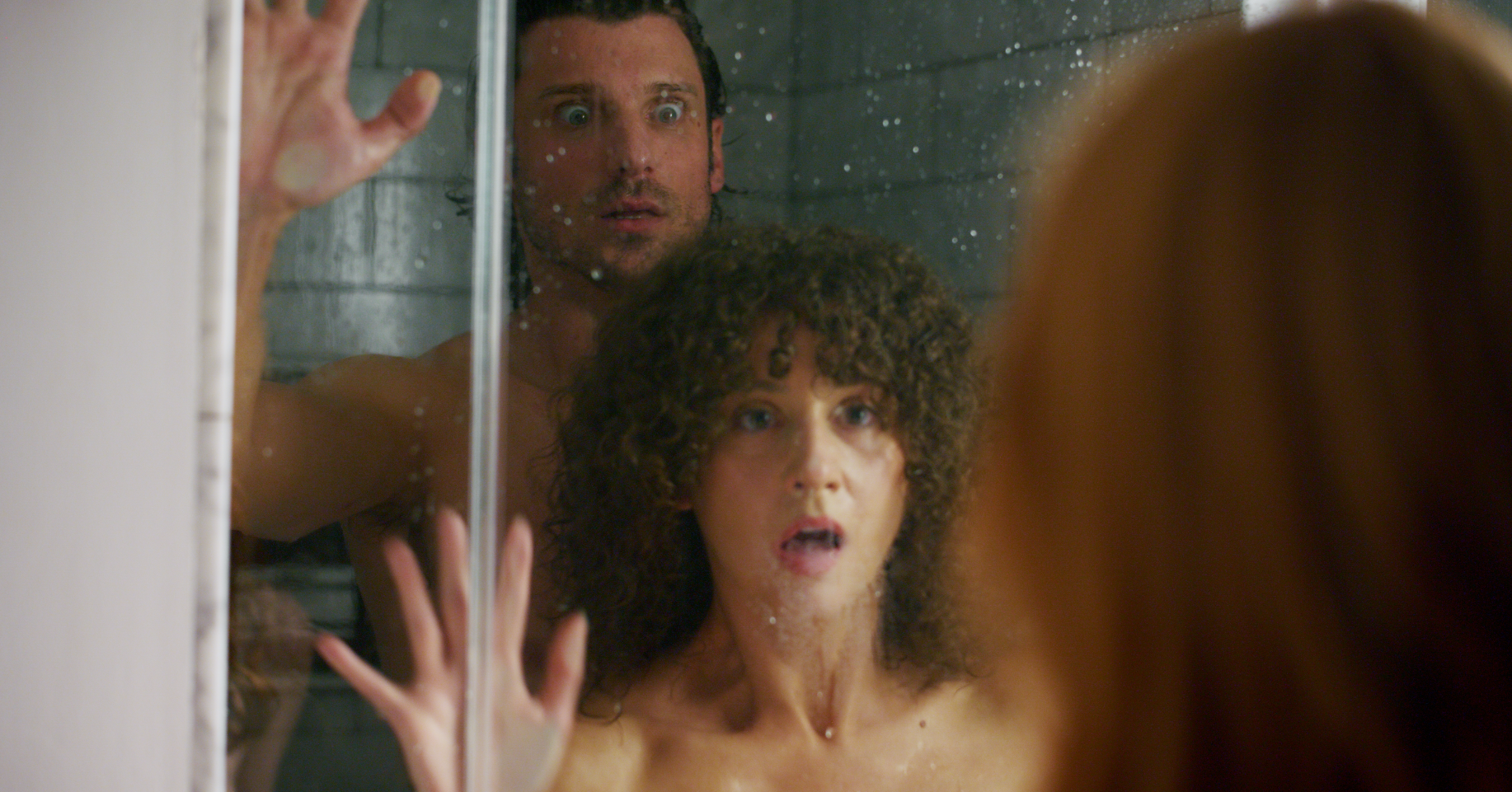
The hands-off director
Some directors give little guidance and expect developed choices. Prepare thoroughly and stay independent. Across every style, remain open, attentive, and respectful. The actor who can thrive under several methods is easier to trust on future projects.
A hands-off director makes preparation visible. The actor may receive only a general tone and be expected to arrive with a complete understanding of the scene. Ask concise questions if essential information is missing, then commit. Do not interpret limited notes as disinterest automatically. Some directors create space because they trust performers to generate behavior.
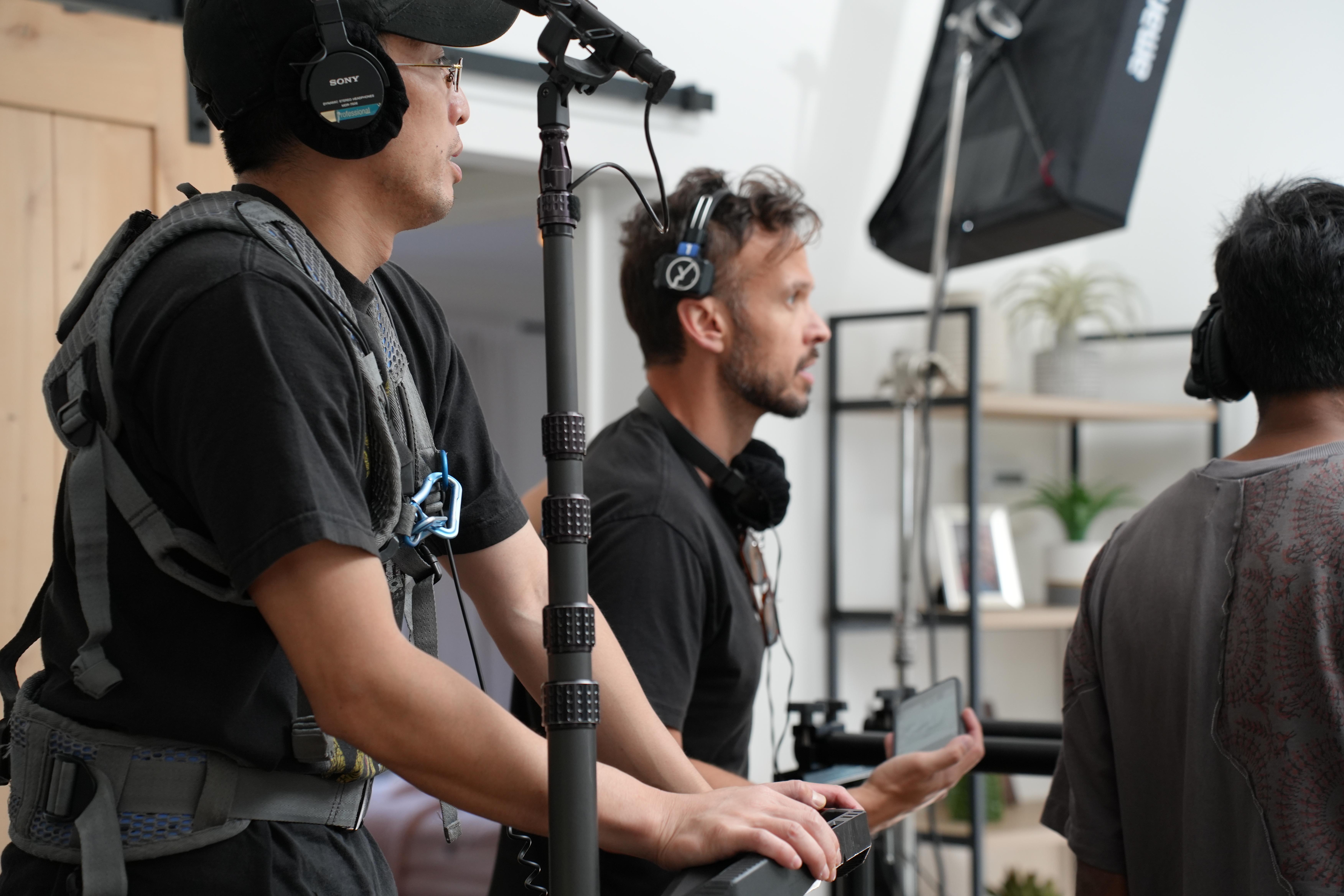
Stay flexible without losing your center
Across styles, protect a few constants: know the text, understand the circumstances, listen, respect the frame, and remain open to adjustment. You can privately use whatever process helps while communicating in the language the set needs. An adaptable actor is not an actor without a point of view. It is an actor whose point of view can collaborate.
Watch the original video
This article was adapted and expanded from The Filmmaker's Mindset video: https://www.youtube.com/watch?v=s7os5l0IgmY

Comments