The Edit Can Make or Break an Actor's Demo Reel

Updated: 3 days ago
Actors understandably focus on the shoot. That is the day with the camera, the scene partner, the nerves, and the visible performance. But the reel does not exist on the shoot day. It exists after somebody chooses which moments survive, where they begin, how they connect, and what the viewer hears.
Editing a demo reel is different from editing a short film. The dramatic scene still matters, but the priority is helping somebody assess the actor quickly. The cut should preserve truth while removing everything that delays that assessment.
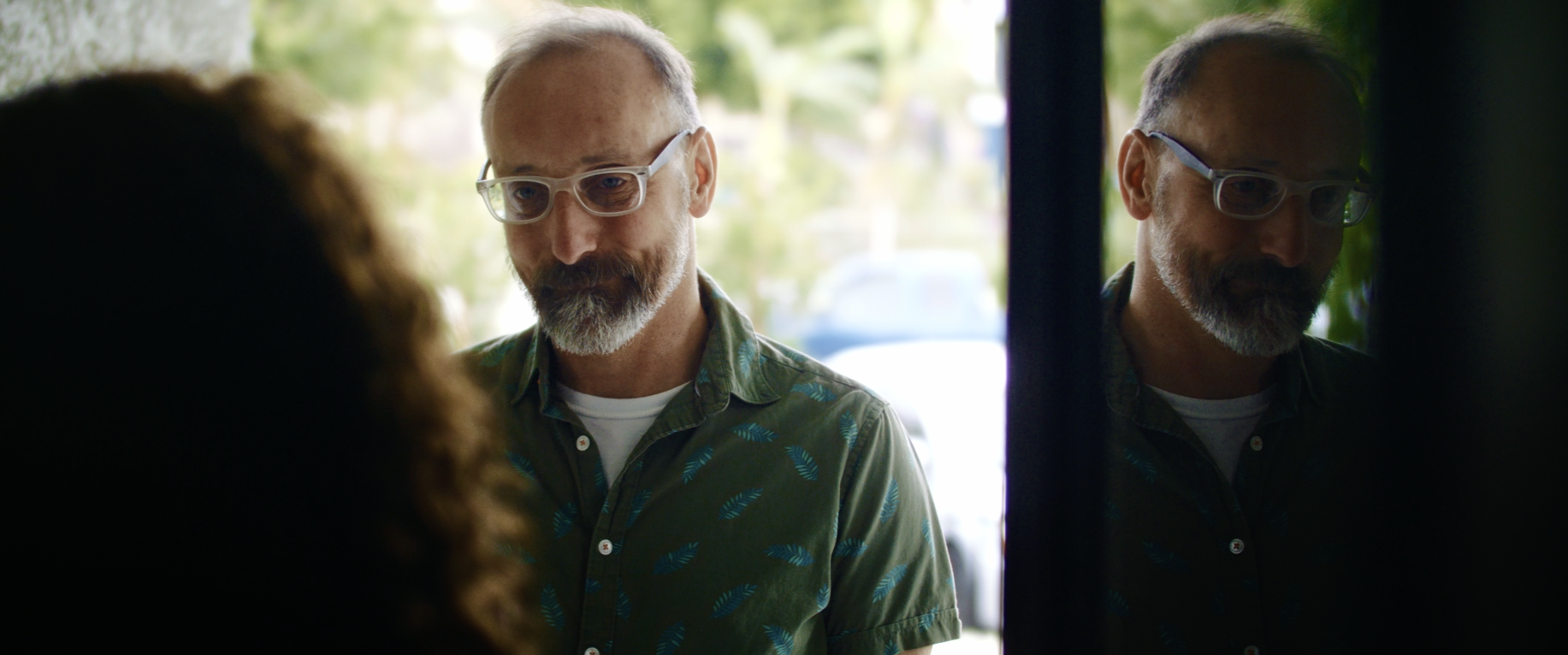
Enter late and leave early
Most scenes contain setup the viewer does not need. Begin close to the pressure point, after the relationship and problem are already active. End once the actor has delivered the useful turn. A reel can leave narrative questions unanswered. Curiosity is more valuable than completing every beat of the original scene.
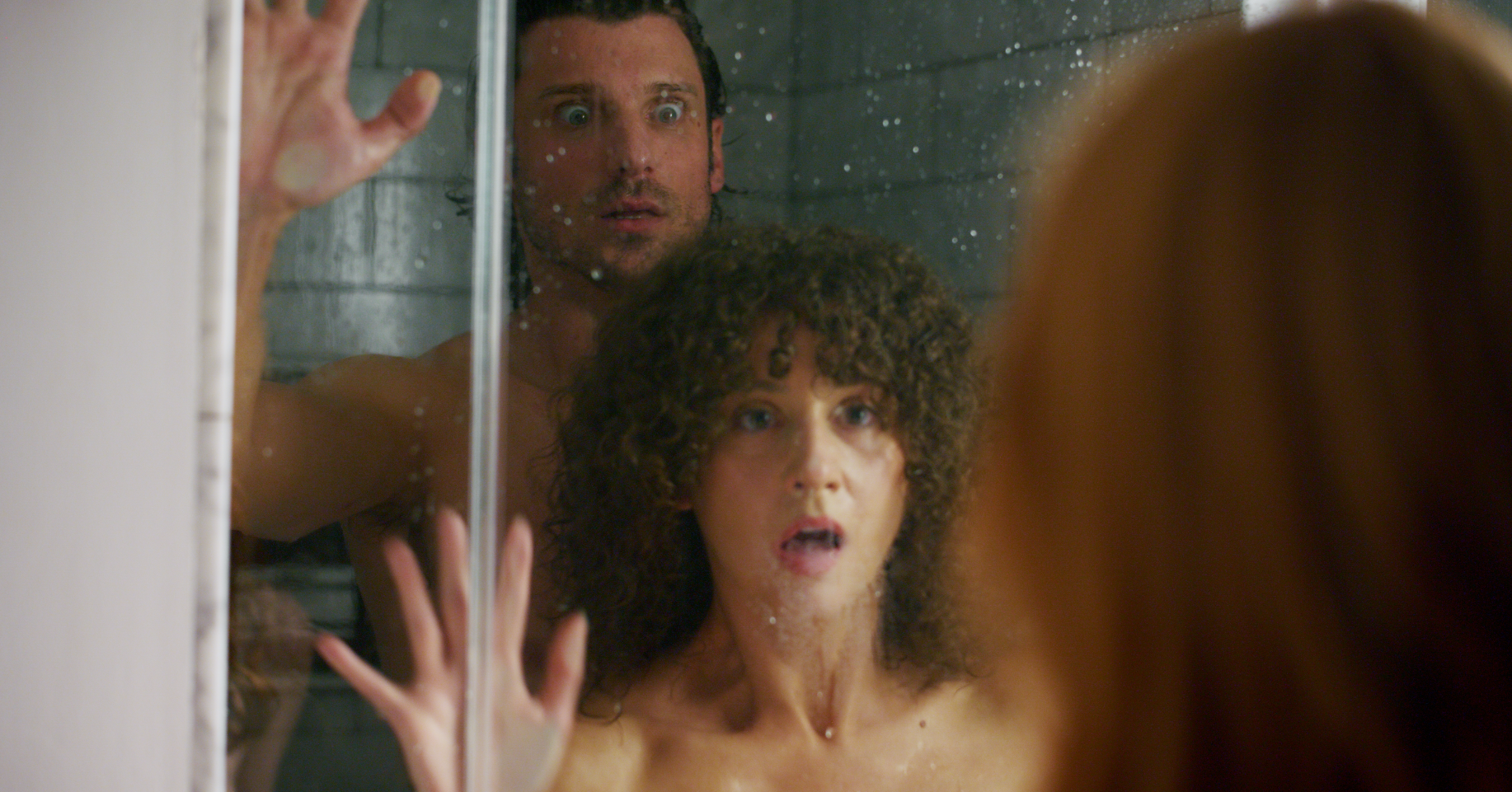
Protect reactions
Do not cut away from the actor simply because another character is speaking. The listening may contain the strongest material. A small shift before a line can show more screen presence than the line itself. Editors need to understand that the reel belongs to the actor while still maintaining a believable exchange.
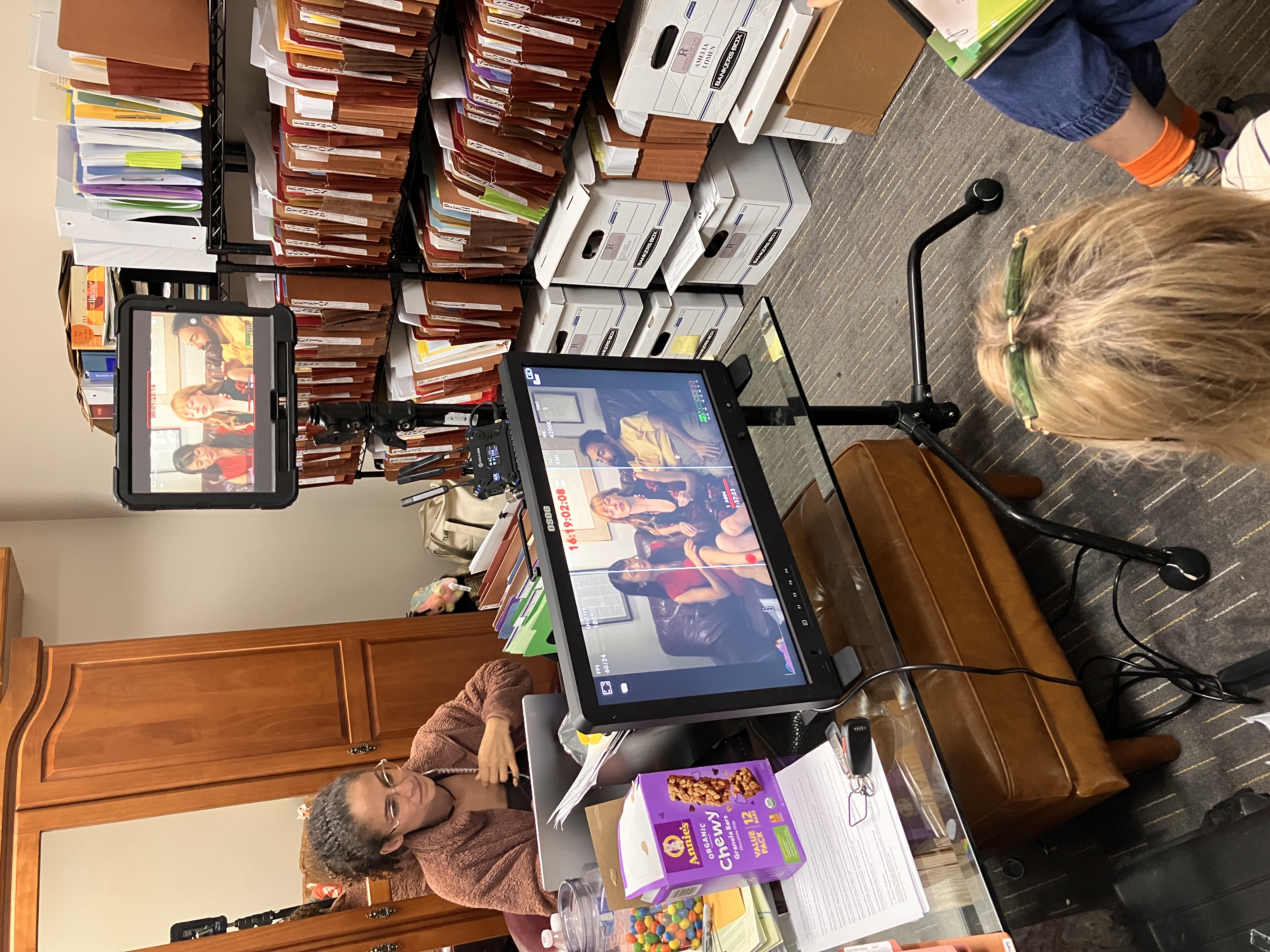
Sound carries professionalism
Viewers forgive many visual limitations before they forgive unclear dialogue. Remove distracting noise, balance levels between scenes, and keep music beneath the performance. Do not use dramatic sound design to manufacture emotion that is missing from the acting. Clean, controlled audio lets subtle work survive.

Create useful versions
One universal reel is not always the smartest deliverable. A concise general reel can sit beside separate dramatic, comedic, or role-specific cuts. Individual scenes should also be available as clean files. Different platforms and submissions have different needs, so label everything clearly and keep links current.
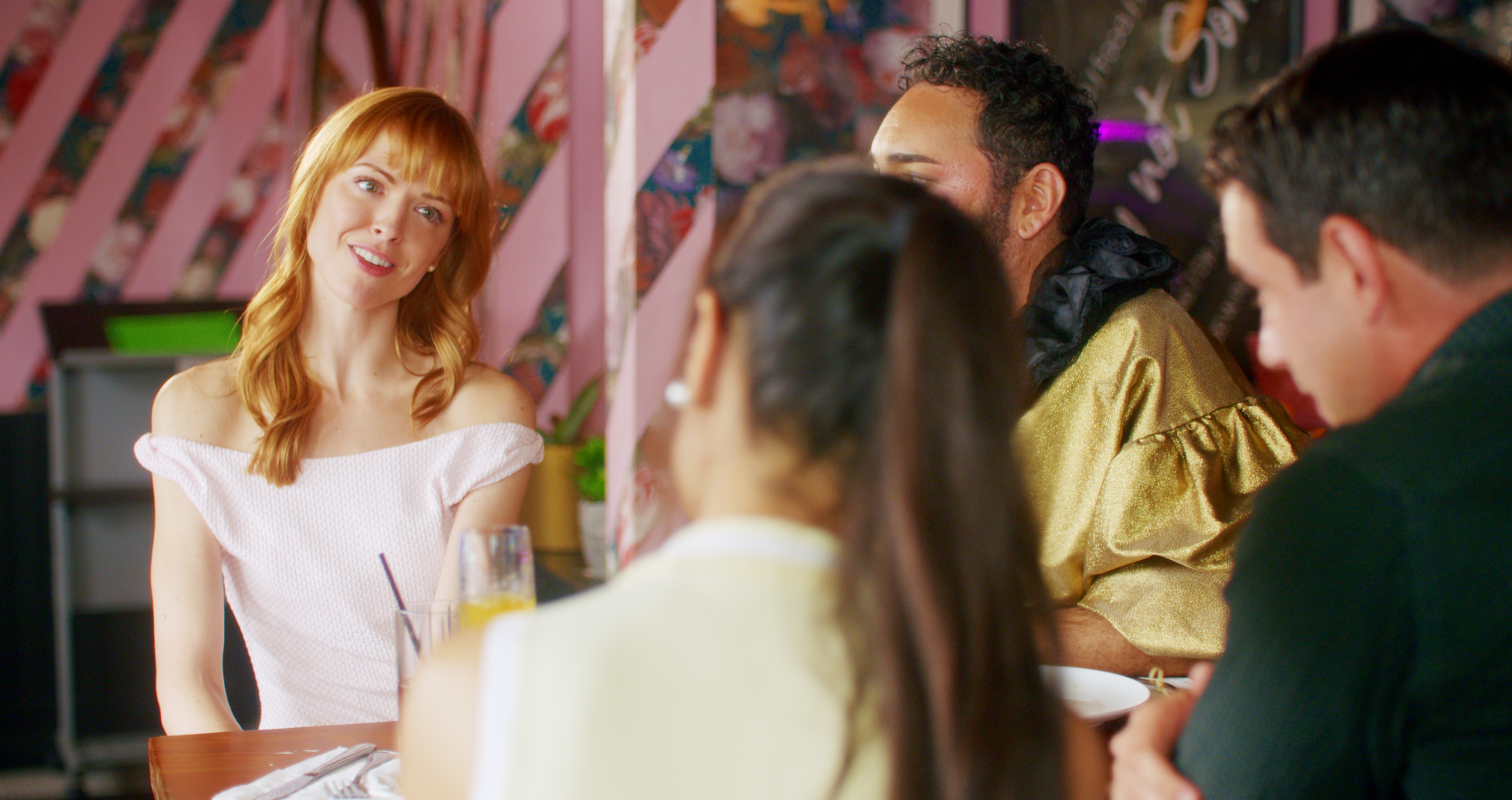
The actor should remain the reason to watch
Color, transitions, graphics, and music should create consistency without calling attention away from performance. If an edit looks impressive but makes the actor harder to assess, it has failed its purpose.
Watch the reel once for story, once with your attention only on the actor, and once only listening to the sound. Every pass reveals different problems. Then cut anything that does not increase confidence.
Related reading: What Casting Directors Actually Need from Your Demo Reel and When Post-Production Ruins Your Cinematography.
For performance-focused scenes, explore our cinematic actor demo reel production in Los Angeles.

Comments