When Post-Production Ruins Your Cinematography

Updated: 18 hours ago
A cinematographer can light, expose, compose, and move the camera with intention, then watch the image fall apart in post-production. Raw footage is not a finished look. It requires correct interpretation, color management, framing, stabilization, sound work, and delivery.
The gap between a camera original and a finished film is where many images are either protected or quietly damaged. Exposure and lighting create possibilities, but the final audience sees the decisions made in conform, stabilization, framing, color, graphics, compression, and delivery. If those decisions are improvised by people who do not understand the source, expensive production work can disappear very quickly.
This is not about a cinematographer demanding ownership of every post decision. Filmmaking is collaborative, and the final look should serve the director and story. It is about making sure the technical pipeline is correct before creative disagreement begins. You cannot evaluate a log or RAW image fairly when it has been transformed incorrectly.

High-end footage requires a real pipeline
A cinema camera recording RAW or log material holds tremendous information, but that information must be processed correctly. Looking at an untransformed image and declaring that the footage is too red is not a creative note. It is evidence that the pipeline has not been established.
Camera originals contain metadata, color space information, resolution, and dynamic range that need deliberate handling. The edit should preserve access to those originals through turnover and conform. Proxies are useful for speed, but they are not a substitute for reconnecting the final timeline. The team also needs agreement on frame rate, scaling, aspect ratio, and which transform turns the capture space into a viewable image.

Responsibility must match expertise
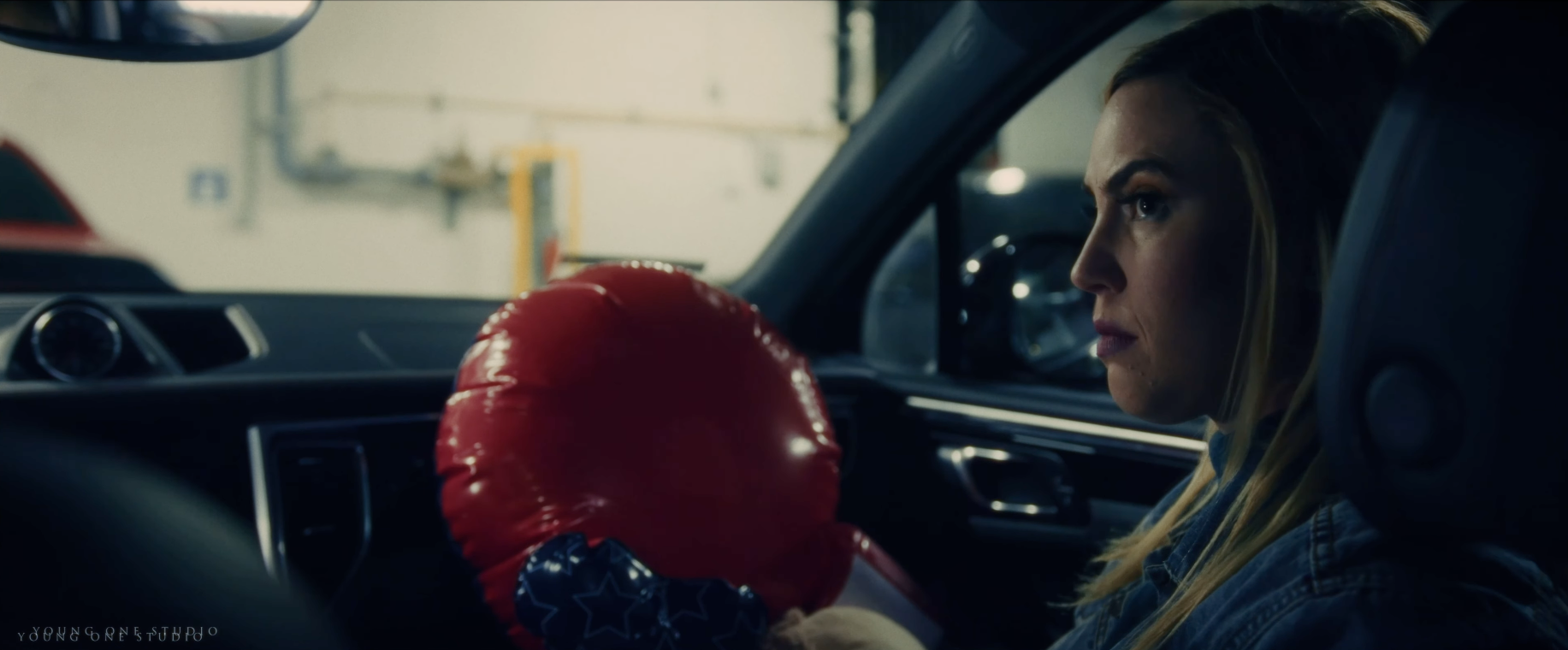
On a competition short I shot, people without cinematography or color experience controlled the final image while qualified help was declined. A generic LUT was treated as a finished grade. I eventually removed my name because the result no longer represented the work or Young One Studio's standards.
Roles become dangerous when authority is separated from knowledge. Someone may have final approval without understanding color management, while the cinematographer or colorist is invited only after destructive choices are locked. A healthier process gives the director creative authority and qualified collaborators clear technical responsibility. Review sessions should distinguish a preference about mood from an error in the pipeline.

Protect the image before production
Decide who will edit, mix, conform, stabilize, color, approve, and deliver. Specify aspect ratio, color space, camera-original handling, and review stages. A contractual right for the cinematographer to supervise or approve color may be appropriate.
The post plan belongs in pre-production. Name the editor, sound team, colorist, and finishing path before the shoot. Decide who owns the drives, how media is backed up, how notes are collected, which monitor is trusted, and who signs off on exports. Even a small short benefits from a simple document describing color space, resolution, aspect ratio, sound deliverables, and credit expectations.
Know when to walk away
Sometimes you deliver footage and move on. Sometimes you help repair the film. Sometimes the responsible choice is to remove your credit. Pre-production, production, and post are separate worlds. A successful shoot does not guarantee a successful film unless the handoff is planned.
Removing a credit should be a last step, but credits communicate responsibility. If the released image has been altered so fundamentally that it no longer represents the cinematography, a calm conversation may be necessary. First offer a repair path, explain the technical problem clearly, and preserve the relationship where possible. If the team declines, protecting professional standards can still be the responsible choice.
Protect the handoff as carefully as the shoot
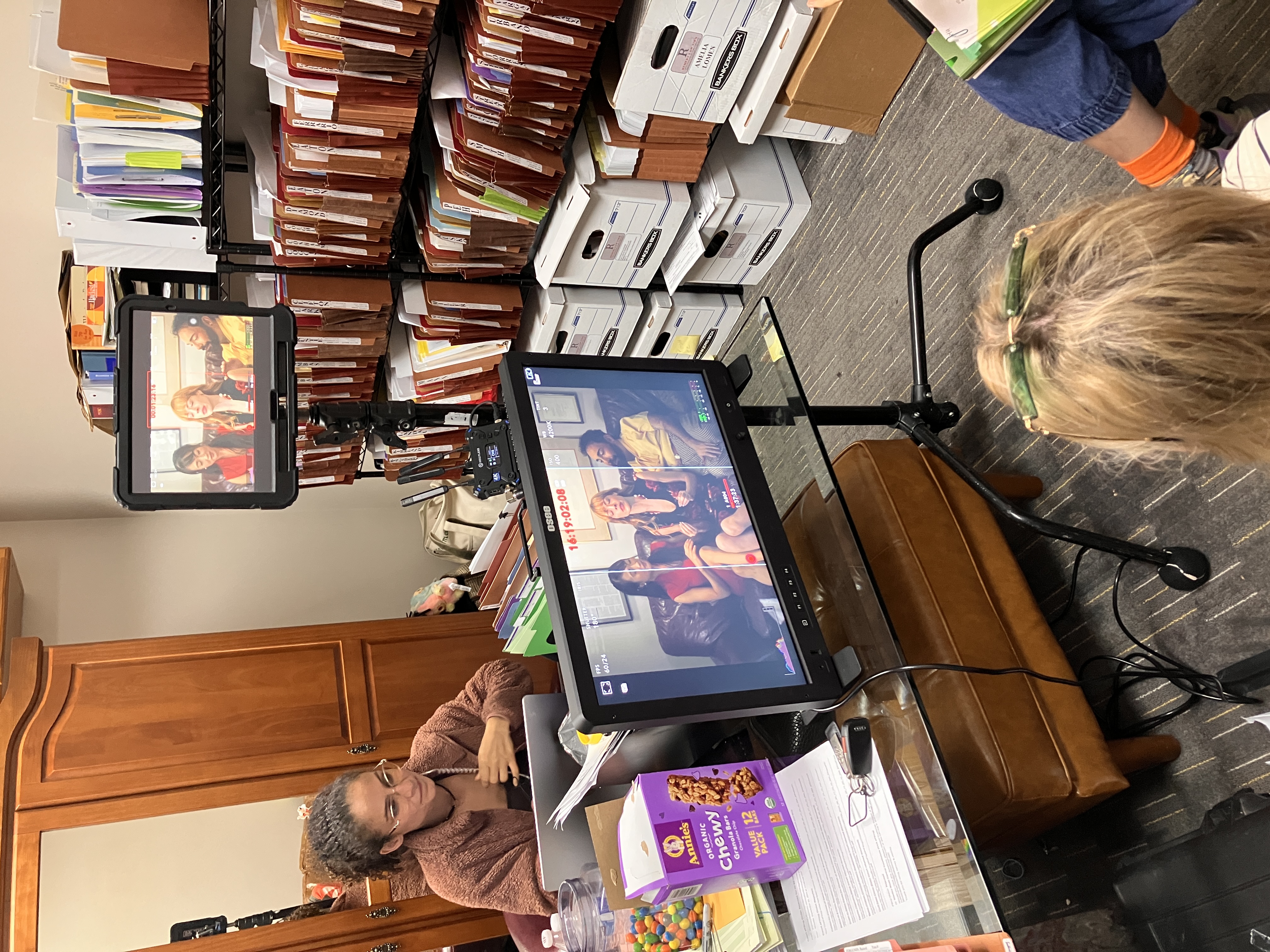
A beautiful negative is only potential. Build post-production into the production itself: preserve originals, document the pipeline, schedule review stages, and involve the right people before deadlines become emergencies. The goal is not to freeze the image at the moment it leaves the camera. The goal is to carry the intention of the shoot through the edit, grade, mix, and final export so the audience experiences the film everyone worked to make.
Watch the original video
This article was adapted and expanded from The Filmmaker's Mindset video: https://www.youtube.com/watch?v=K-GTW3rX9G0
Comments