What Casting Directors Actually Need from Your Demo Reel

Updated: 13 hours ago
Actors put enormous pressure on demo reels. The reel is expected to prove range, professionalism, personality, training, marketability, and the possibility of an entire career in about ninety seconds. That is impossible, and trying to do all of it usually makes the material less clear.
A casting director is not watching to admire the edit. They are looking for evidence. Can you listen? Can you carry a close-up? Do you feel truthful in the kind of role they are casting? Does the footage help them imagine you inside their project? The reel should make those answers easy.
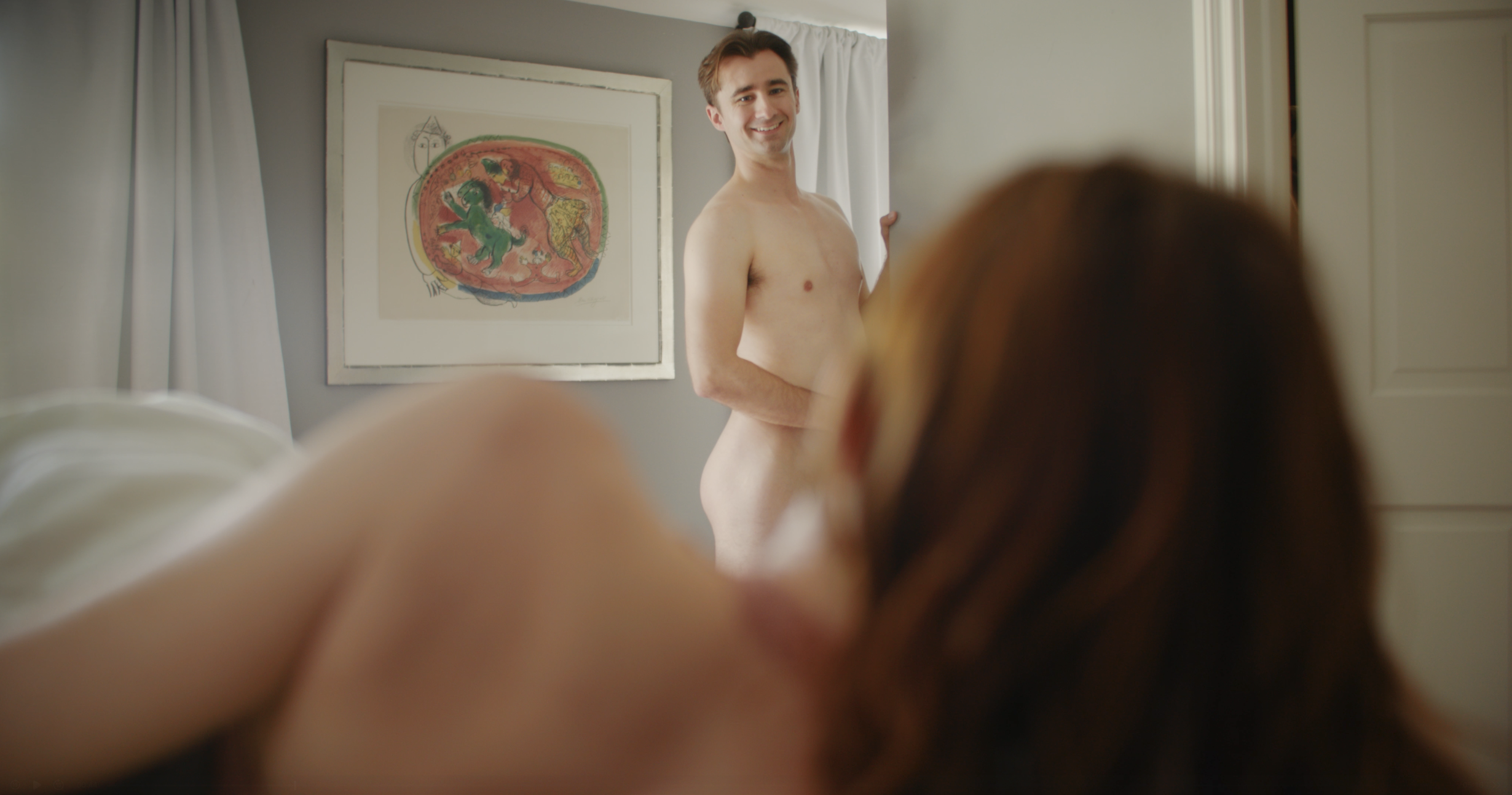
Start with you
Do not spend the opening ten seconds establishing a location, another actor, or a clever title sequence. Start on your face, your voice, and a moment with some dramatic pressure. The strongest clip is not always the loudest one. It is the clip that makes the viewer understand your presence immediately.
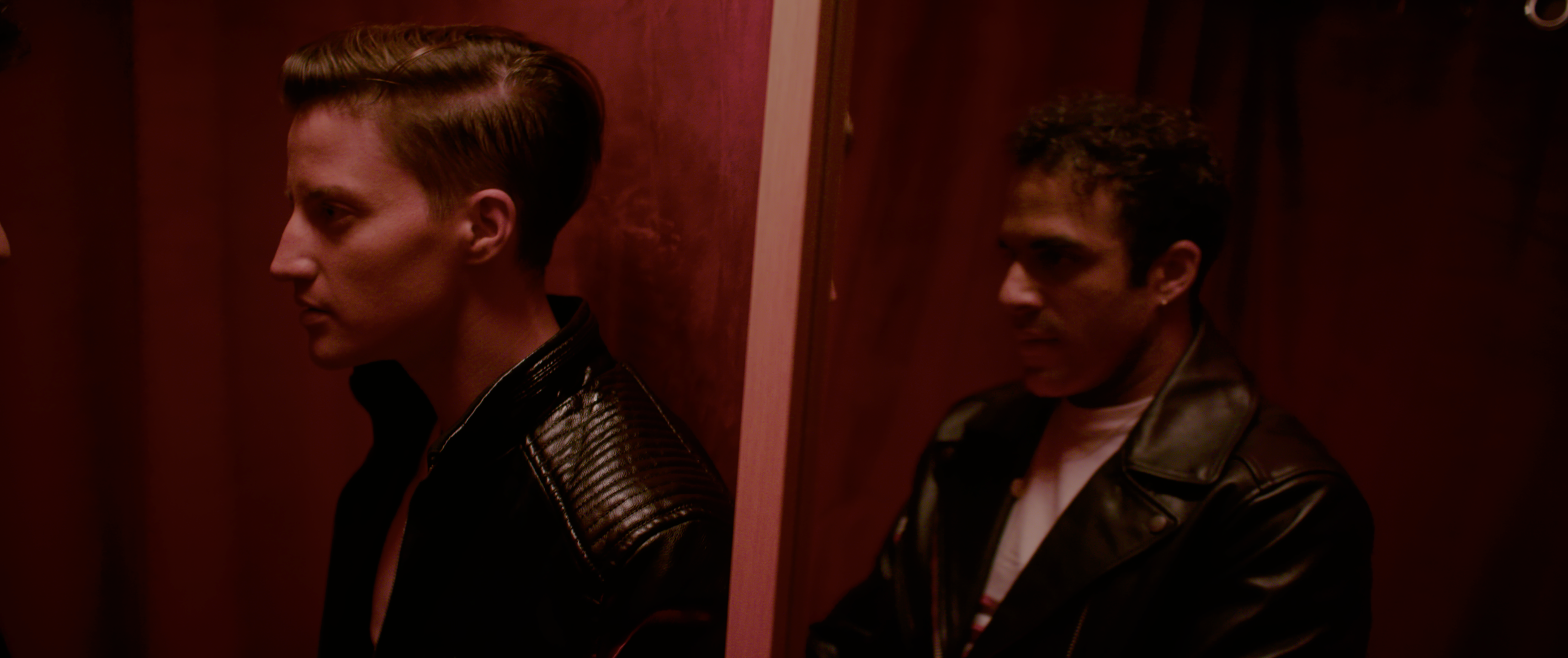
Show range without creating confusion
Range does not mean placing every possible genre into one reel. It means showing credible contrast. Authority beside vulnerability. Comedy beside restraint. Warmth beside danger. Choose scenes that feel like versions of the same actor a casting team could actually place. If the reel looks like five unrelated impressions, the viewer may finish knowing less than when they started.
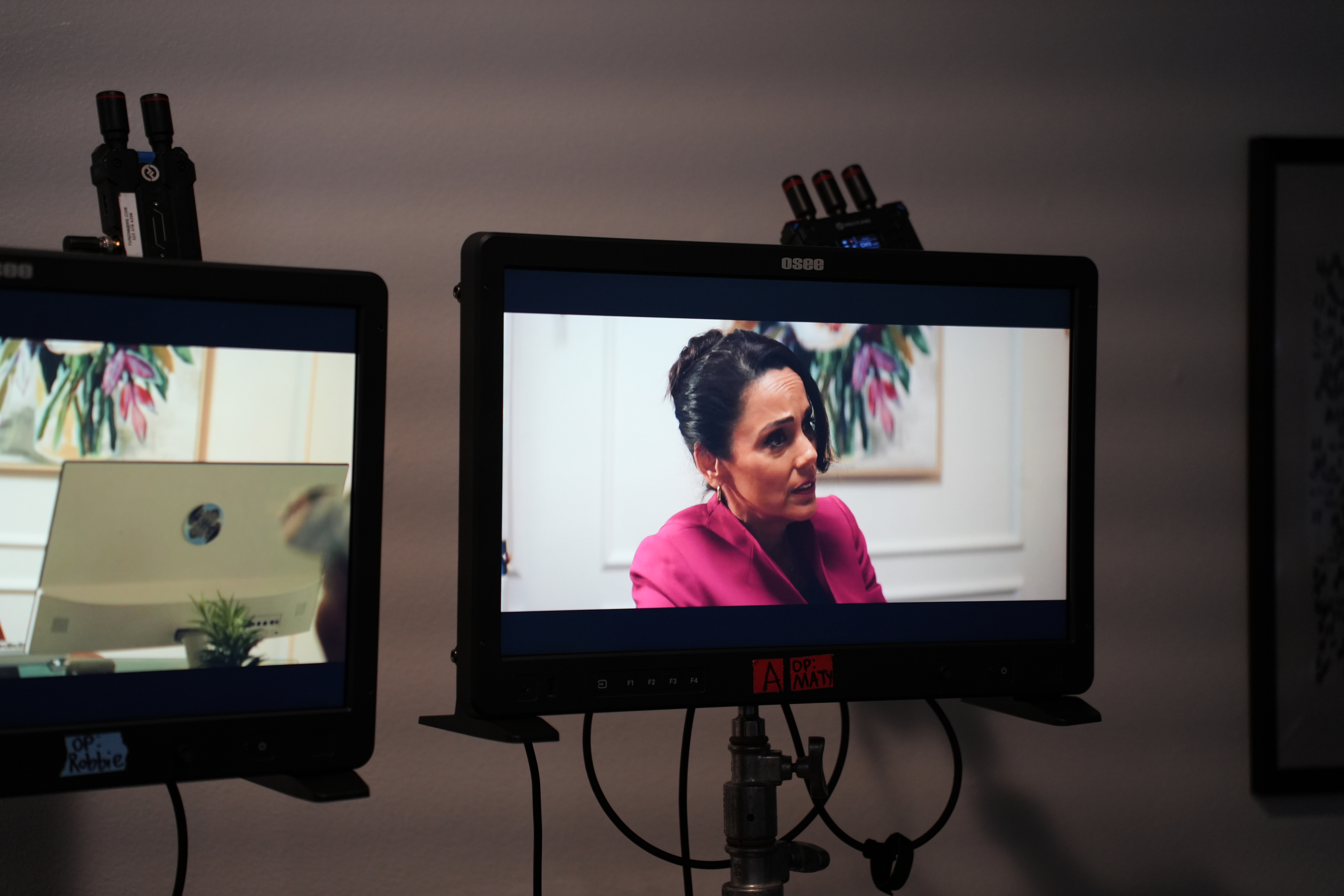
Let us see you listen
Dialogue alone does not prove screen acting. A well-built reel protects reactions, silence, and the effect of the scene partner. When we create demo scenes at Young One Studio, coverage is designed around the actor who needs the material, but that does not mean filming only their lines. The listening is often the most useful part.
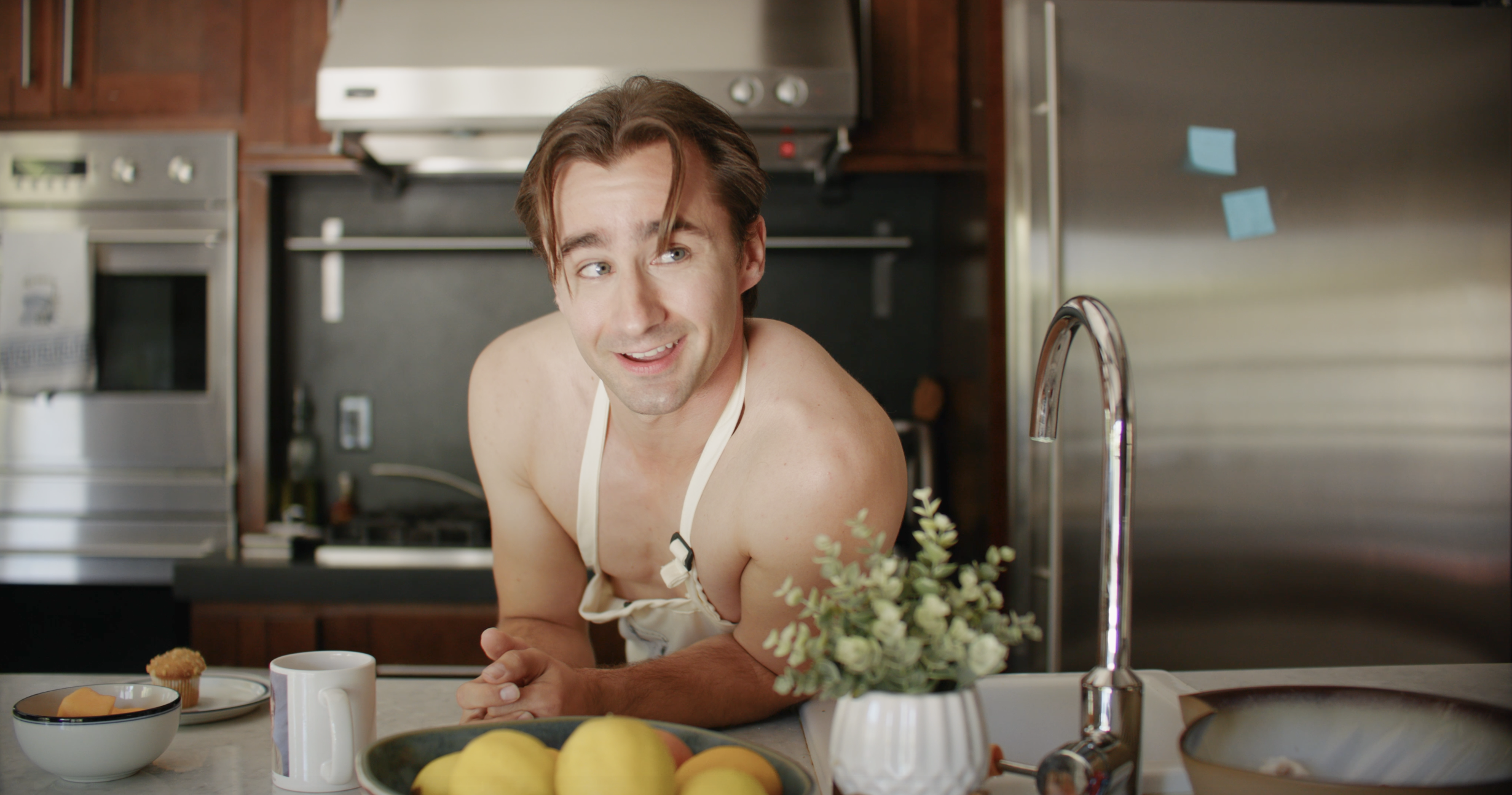
Keep the footage current and technically clean
Casting should not have to work around muddy sound, inconsistent color, old headshots, or footage that no longer resembles you. Use professional material, keep the total length controlled, and update the reel when your casting range or appearance changes. A technically polished reel cannot create truth, but weak production can distract from it.

The reel is an invitation
Your reel does not need to close the deal. It needs to earn the next step. Make the viewer curious enough to watch another scene, open your profile, or bring you into the room. That is a smaller and more useful goal than trying to prove everything at once.
Choose a few moments where you are genuinely alive on camera. Put the clearest one first, remove anything that lowers the standard, and stop before the viewer has seen the same quality twice.

Comments