Who Owns a Film Collaboration? Credits, IP, and Clear Agreements

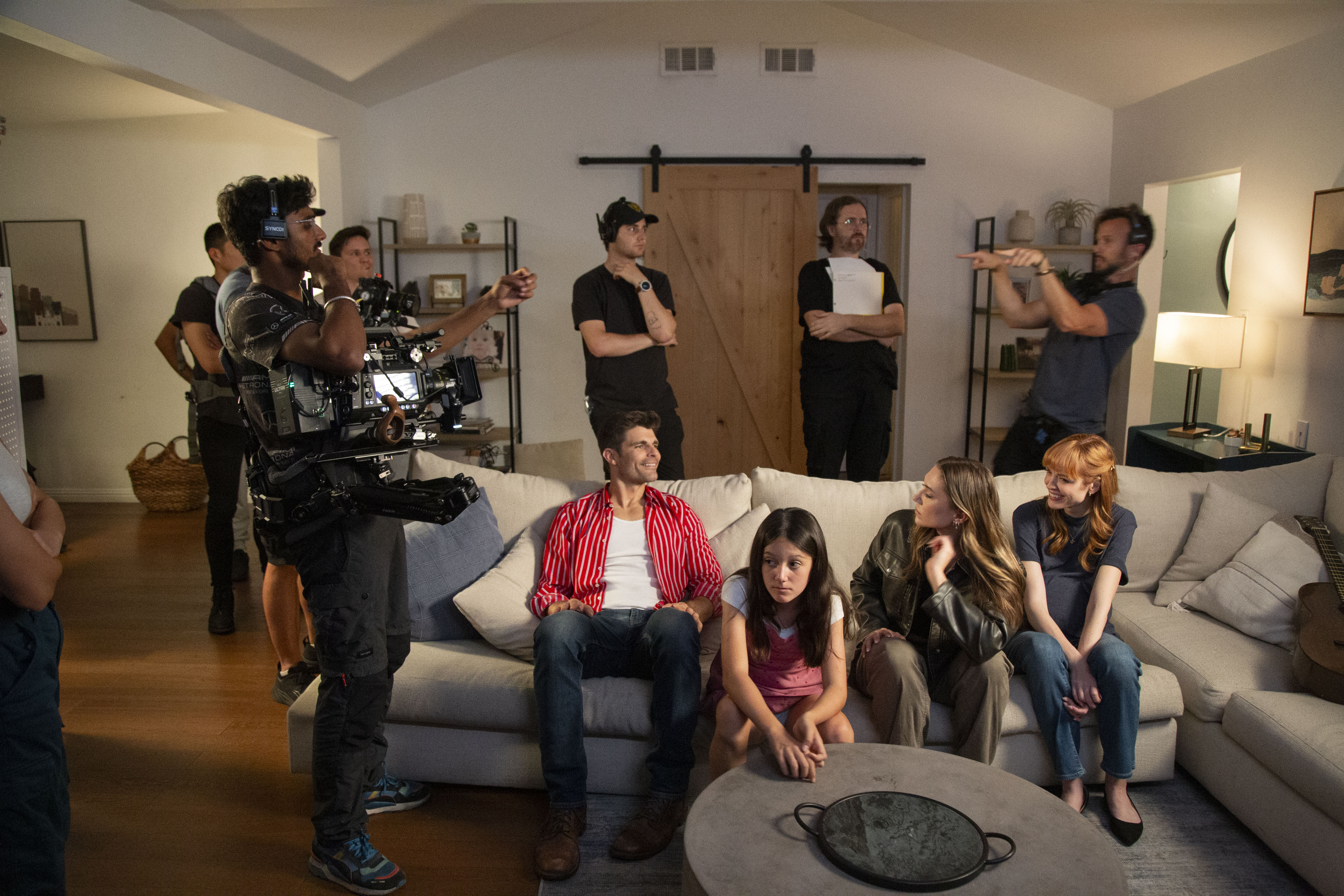
Film collaboration becomes complicated when several people contribute substantial resources but never define what that contribution means. A writer may own the script. A production company may supply the director, camera, lighting, crew, and post. Both can reasonably feel central to the finished work.
Collaboration often begins with enthusiasm rather than paperwork. A script is exciting, people offer equipment and labor, and everyone assumes they share the same understanding of what the finished film will become. The disagreement appears later, when somebody wants to upload it, submit to festivals, remove a logo, recut the piece, or take the project away from the company that helped create it.
The emotional difficulty comes from mixing several kinds of contribution. The writer may feel the story is fundamentally theirs. A production company may have committed the director, crew, camera, lighting, post-production, and financial risk. Both can be telling the truth about their importance while holding completely different assumptions about ownership.

Contribution and ownership are different
Providing major production resources may create meaningful collaboration without automatically transferring copyright in the screenplay or film. Ownership, credit, license, distribution, and public association are separate issues.
Copyright, physical resources, authorship, and contractual rights are not interchangeable. Owning the camera does not automatically mean owning the footage. Writing the script does not answer every question about the produced film. A person's contribution may justify credit, compensation, approval, or a license without creating the same legal interest as another contributor. These distinctions need to be discussed, not guessed.

Define credit and marketing rights
Specify how each person and company will be credited, where logos appear, who may host the film, who controls festivals, and whether collaborators may use scenes in portfolios or promotions.
Distribution rights are especially easy to overlook. Who can host the film on YouTube or a company portfolio? Can someone request a takedown later? Who controls festival entries, private links, publicity stills, trailers, and clips? A clear agreement can preserve broad promotional use for collaborators while identifying who makes final release decisions.

Plan for changing relationships
A director, producer, or team member may later leave a company. Agreements should explain whether credits and licenses survive changes in employment, partnership, or company structure.
Relationships and companies change. A director may leave a studio. A producer may form a new entity. A friendship may end. The agreement should survive those changes by attaching rights and obligations to named people and companies. It should also explain whether a departing collaborator can continue using the film and how existing credits will be presented.

Clarity protects relationships
Discuss intellectual property, approvals, credits, expenses, deliverables, hosting, takedowns, and promotional use before committing resources. This is a filmmaking perspective, not legal advice. Use a qualified entertainment attorney for significant projects.
The earlier the conversation happens, the less accusatory it feels. Before resources are committed, create a shared summary of the script rights, ownership of footage and final film, credits, expenses, approvals, deliverables, promotional licenses, festival authority, and what happens if the project is never completed. Then ask an entertainment attorney to formalize significant arrangements.
Clarity is part of collaboration
A contract is not evidence that collaborators distrust one another. It is a way of protecting the relationship from different memories and unstated expectations. Talk through the uncomfortable scenarios while everyone is excited and cooperative. This article is a filmmaker's perspective, not legal advice, but the practical principle is simple: the more people contribute, the more important it becomes to define what each contribution means.
Watch the original video
This article was adapted and expanded from The Filmmaker's Mindset video: https://www.youtube.com/watch?v=cSokstPY1qw


Comments