Why Ego Stops Actors from Booking Roles

Ego is everywhere in entertainment. Actors may believe they are the most talented person in the room. Directors can present themselves as visionaries. Teachers promote one method as the only path. Much of that certainty is a response to an industry built on instability.
Ego often looks like confidence from the outside, but the two behave very differently under pressure. Confidence can stay curious because it does not need every moment to prove its worth. Ego becomes rigid. It treats direction as a challenge, another actor's success as a threat, and uncertainty as something that must be hidden.
That rigidity is expensive in a craft built on receiving. Acting requires the performer to be changed by the scene partner, the circumstances, the camera, and the director's point of view. If the actor enters every room protecting an image of being exceptional, there is very little space left for surprise.
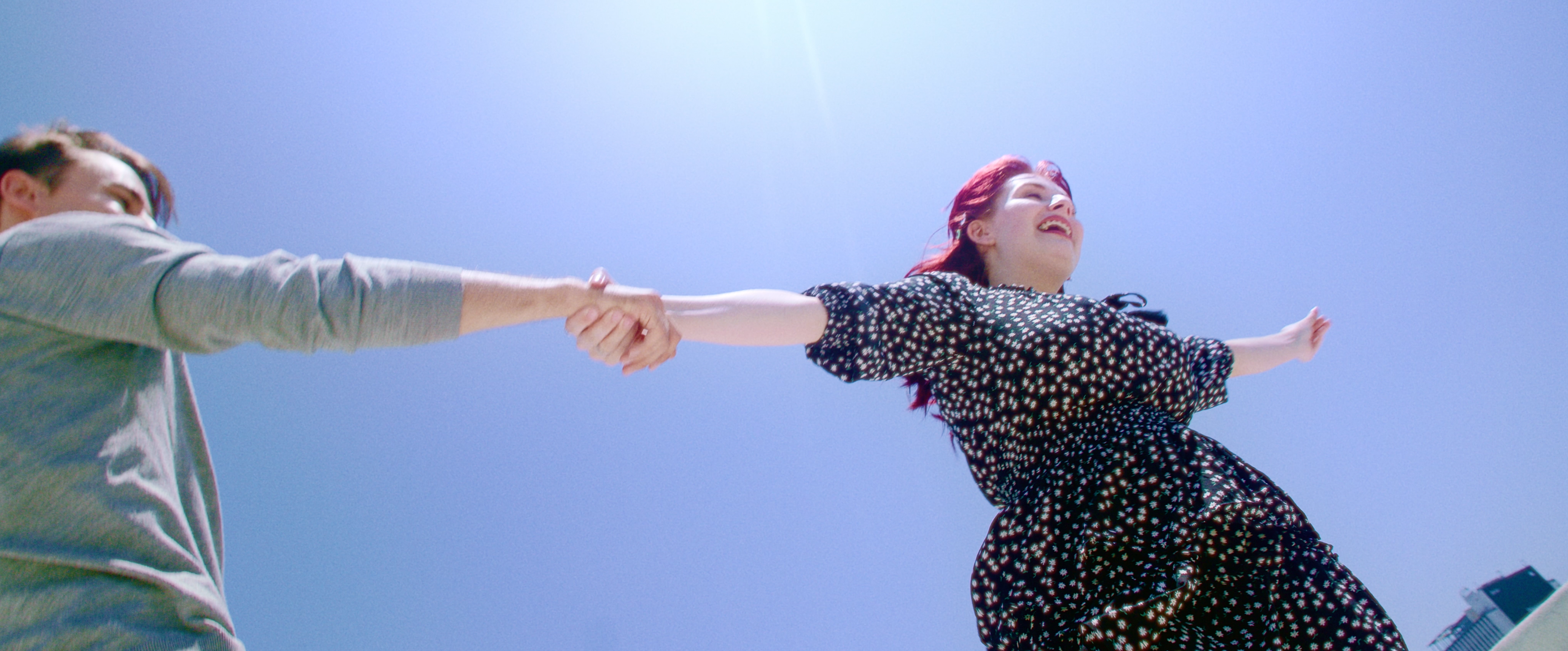
The camera does not care about status
Your résumé and classes cannot perform the scene. The camera responds to presence, behavior, listening, and authenticity. Credits do not help if you cannot receive direction or connect with the person opposite you.
The lens records behavior, not self-concept. A long résumé can help someone enter the room, but once the take begins, the audience sees attention, thought, tension, and response. Status cannot substitute for connection. Sometimes an actor with fewer credits appears more compelling because they are available to the moment instead of monitoring how impressive they look.
Advice is not universal truth
Actors hear endless instructions about classes, agents, auditions, branding, and strategy. Some advice helps. Some is outdated. Much of it reflects one person's path rather than a rule for everyone. Test ideas and keep what improves the work.
Advice becomes dangerous when it is absorbed as identity. One teacher says never do something; another says it is essential. One actor's career strategy may be perfect for their timing, resources, and relationships but useless for yours. Keep a working laboratory. Try ideas, observe what improves the work, and release the need to belong to a single camp.
Ego kills curiosity
When an actor focuses on proving superiority, listening stops. Choices become rigid and notes feel threatening. Creativity needs curiosity, experimentation, play, and enough safety to fail in front of collaborators.
Curiosity changes the meaning of a note. Instead of hearing, You were wrong, the actor hears, There is another version worth exploring. That small shift protects energy and collaboration. It also makes auditions more alive. A reader, casting director, or director can feel when an actor is genuinely playing the scene rather than defending a prepared demonstration.
Build community, not a scoreboard
Social media displays everyone's wins without the uncertainty around them. Find collaborators who enjoy making things and support growth. When ego loosens, the work becomes lighter and more responsive. That freedom is visible on camera.
Community is an antidote to ego because it replaces the scoreboard with shared practice. Make scenes, read scripts, help on friends' projects, and celebrate good work that is not yours. This does not remove ambition. It gives ambition a healthier structure, one where another person's progress expands the creative world instead of shrinking your place within it.

Trade certainty for availability
You do not need to become smaller or apologize for wanting a serious career. Bring confidence, preparation, and standards. Then leave enough room to listen, fail, adjust, and be surprised. Booking decisions involve many factors no actor can control, but availability is visible. People want to work with performers who are skilled and alive to collaboration, not performers who need the room to confirm a story about their greatness.
Watch the original video
This article was adapted and expanded from The Filmmaker's Mindset video: https://www.youtube.com/watch?v=bpnZmAjvVEY

Comments