There Is No One Right Way to Direct Actors

Updated: Aug 28
Directing actors is one of the most important parts of directing, and it is also one of the areas where people become strangely attached to one correct method. I do not think that method exists. Directors come from acting, writing, cinematography, editing, theater, music, and a hundred other backgrounds. Naturally, they do not all communicate in the same way.
The style itself is not the measure of success. A highly planned director can create alive performances, and an improvisational director can make work that feels precise. What matters is whether the actor understands the scene, feels safe enough to work, and can translate the direction into playable behavior.
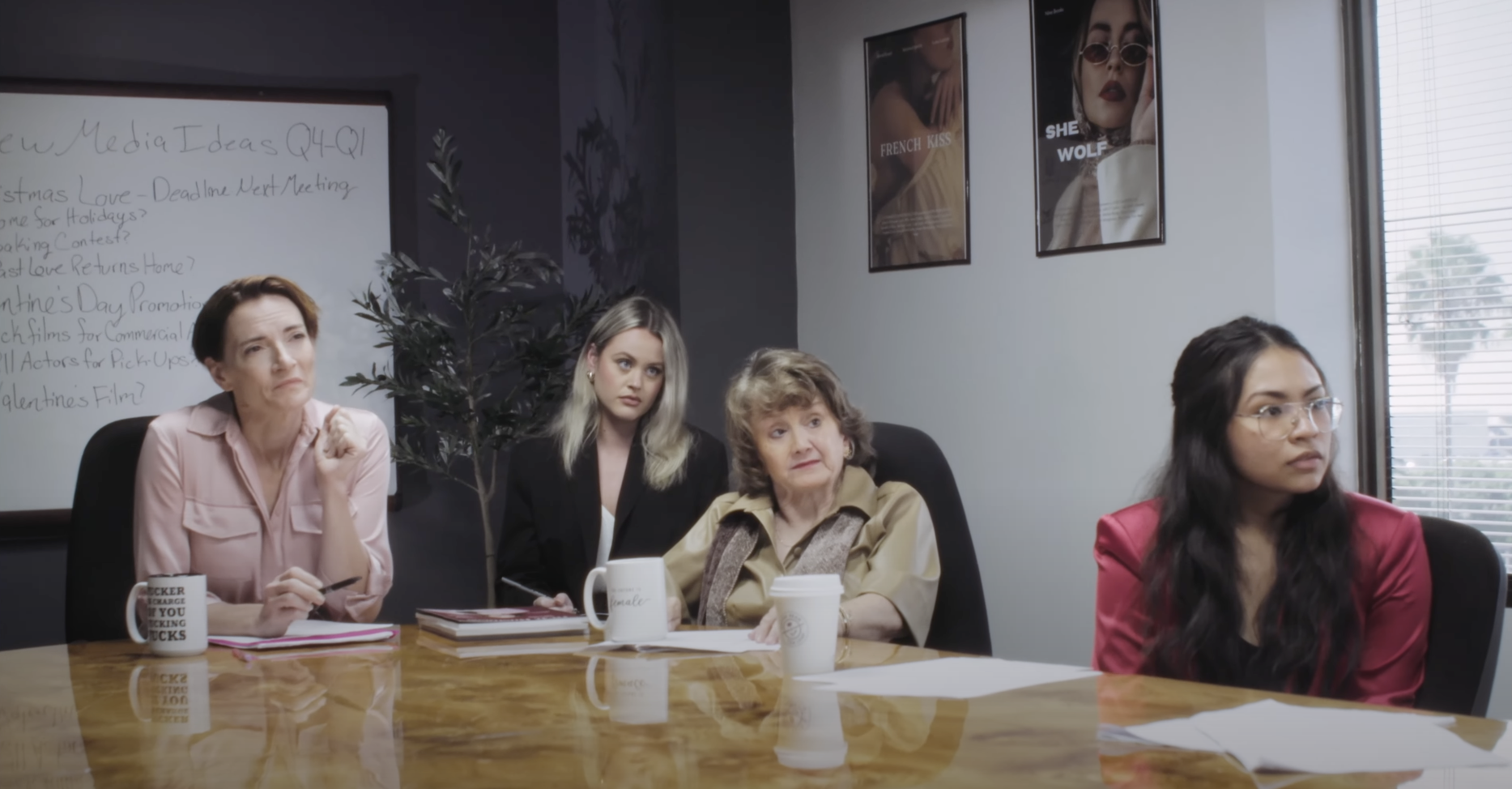
The visual director
Some directors see the finished film very clearly before the day begins. They arrive with boards, lens ideas, exact blocking, and a strong rhythm for the scene. Actors working in that environment need to respect marks and repeatability without letting the performance become mechanical. Structure can be useful. Once the pathway is clear, the actor can stop negotiating the shot and put their attention back on the person opposite them.
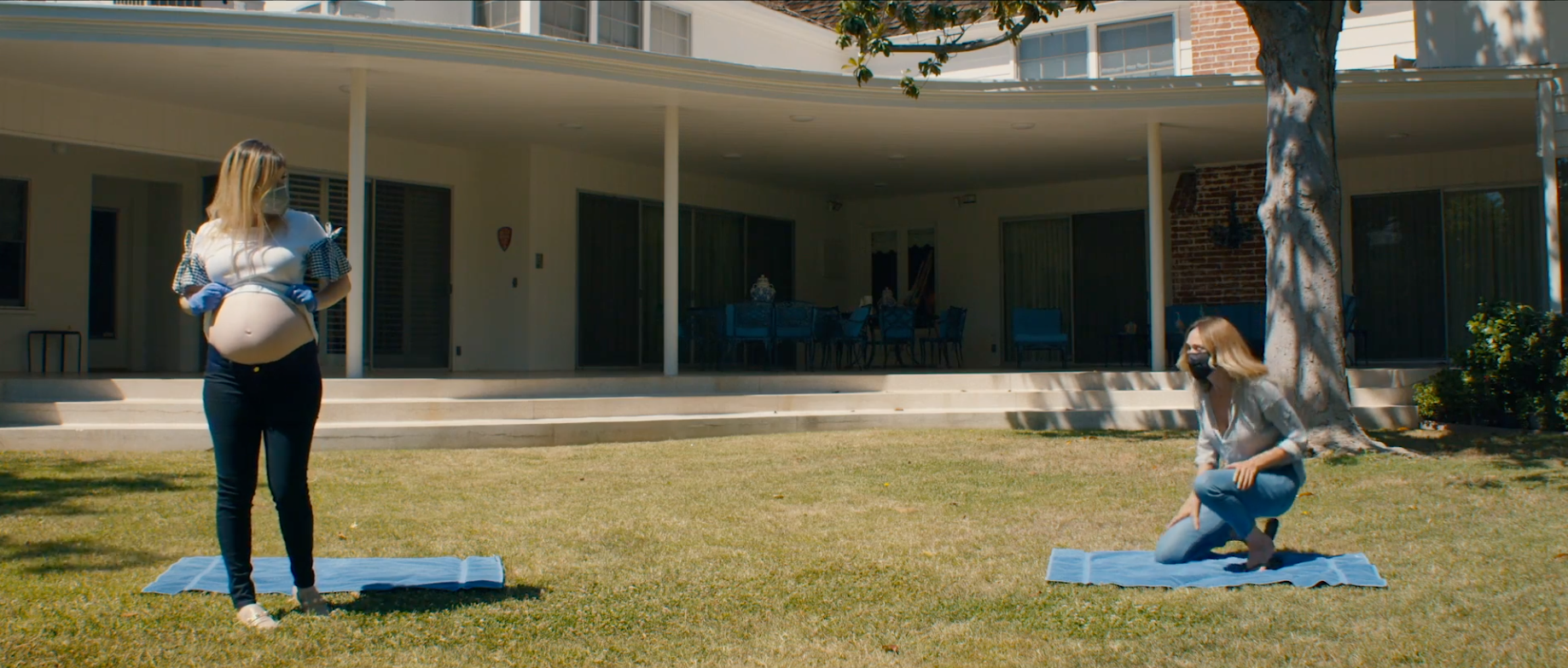
The actor-focused director
Other directors begin with objectives, relationships, history, and emotional behavior. They may spend more time discussing what a character wants than where the camera sits. This can produce nuanced work, but the director still needs to connect the performance to coverage and editing. A beautiful scene in rehearsal is not enough if the camera never captures the turn that makes it work.
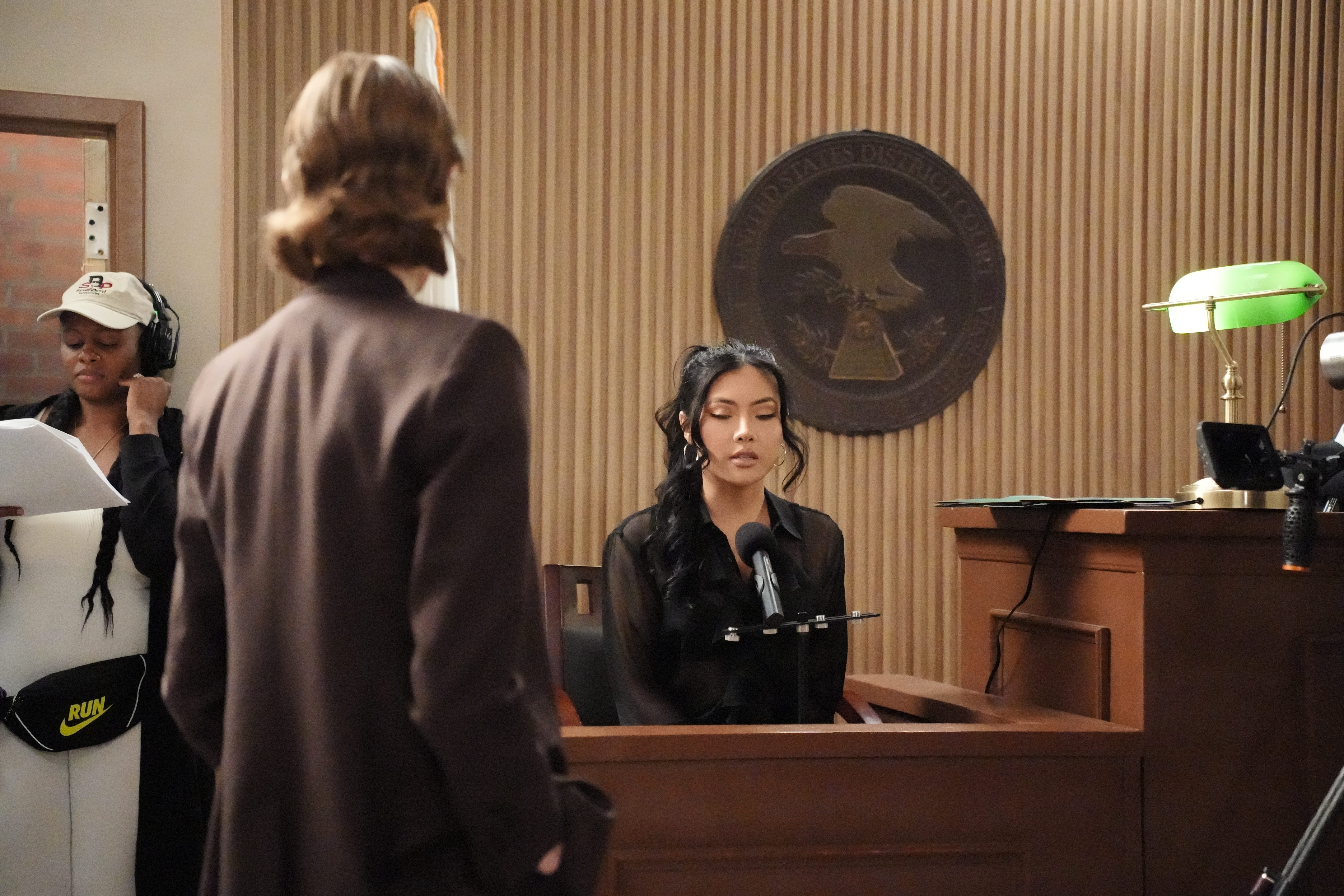
The collaborative director
Collaboration does not mean every idea survives. It means the room can explore without turning creativity into a contest. I like actors who bring clear choices and remain open to changing them. A director should be able to listen without giving away responsibility for the film. The final decision still has to create one coherent story.
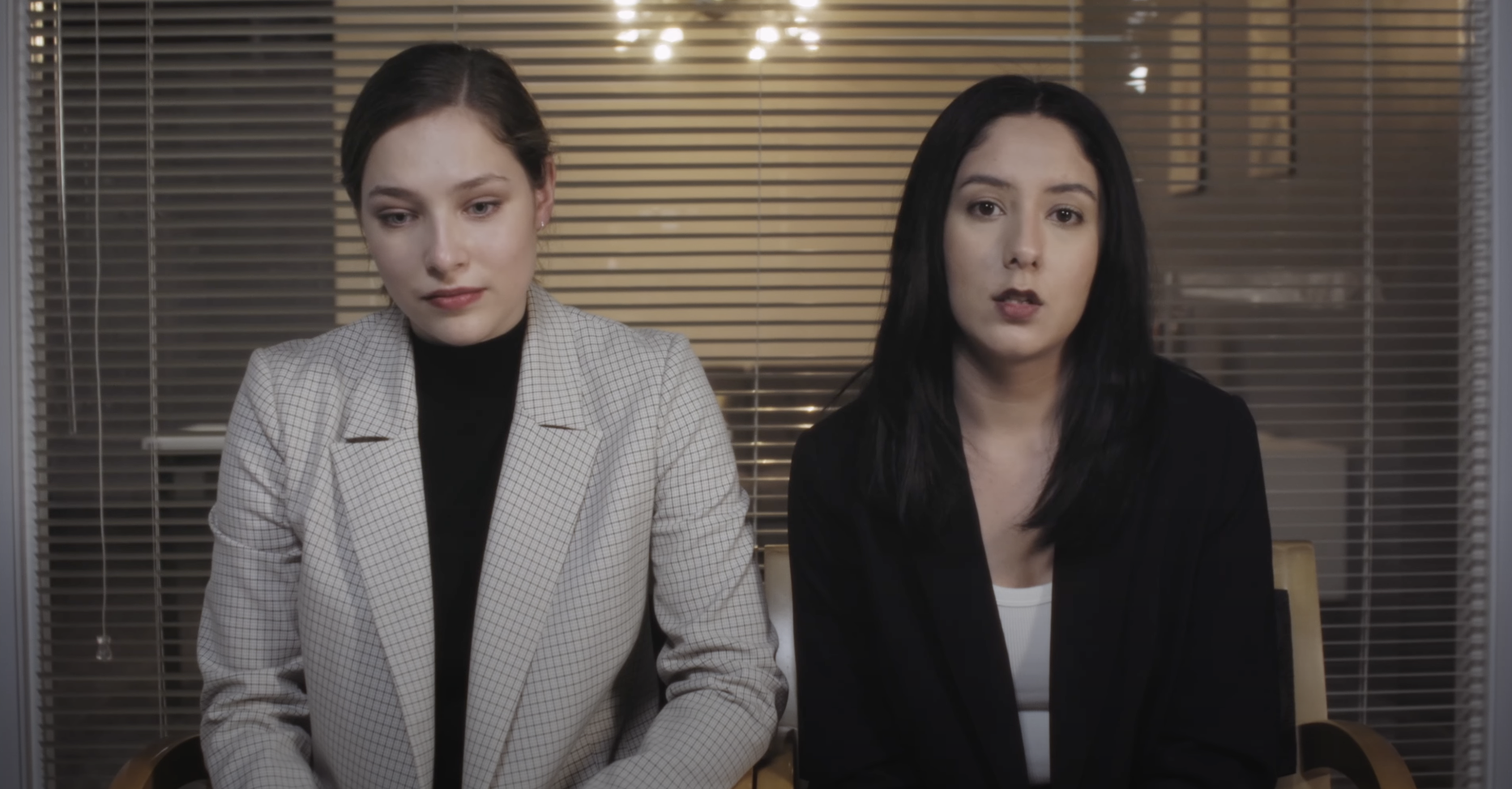
The hands-off director
Some directors give very little guidance. Occasionally that comes from trust, and sometimes it comes from uncertainty. Actors should prepare enough to offer a complete version while asking concise questions when essential information is missing. If you are directing this way, make sure silence is actually creating freedom rather than leaving the cast to guess what film they are in.
Communication matters more than labels
A director can be visual, technical, emotional, collaborative, or some shifting combination of all four. Different scenes may even require different approaches. A complicated camera move needs precision. A fragile emotional scene may need space. Good direction adapts to the problem in front of it.
For actors, adaptability is a serious professional skill. For directors, clarity is the responsibility. You do not need to sound like another filmmaker. You need to understand what the scene is doing, communicate that intention, and create conditions where the actor can do real work.

Comments