How to Build a Demo Reel That Gets Watched

Most advice about demo reels begins in the edit. Put the strongest scene first, keep it short, and make sure the sound is clear. All true. But a reel becomes watchable much earlier, when the actor decides what the material is supposed to demonstrate and which scenes can actually do that job.
If the footage was never designed around you, the editor may have very little to work with. A beautifully made short film can still give an actor only ten usable seconds. That is why custom scenes can be so effective. The goal is clear from the script onward.
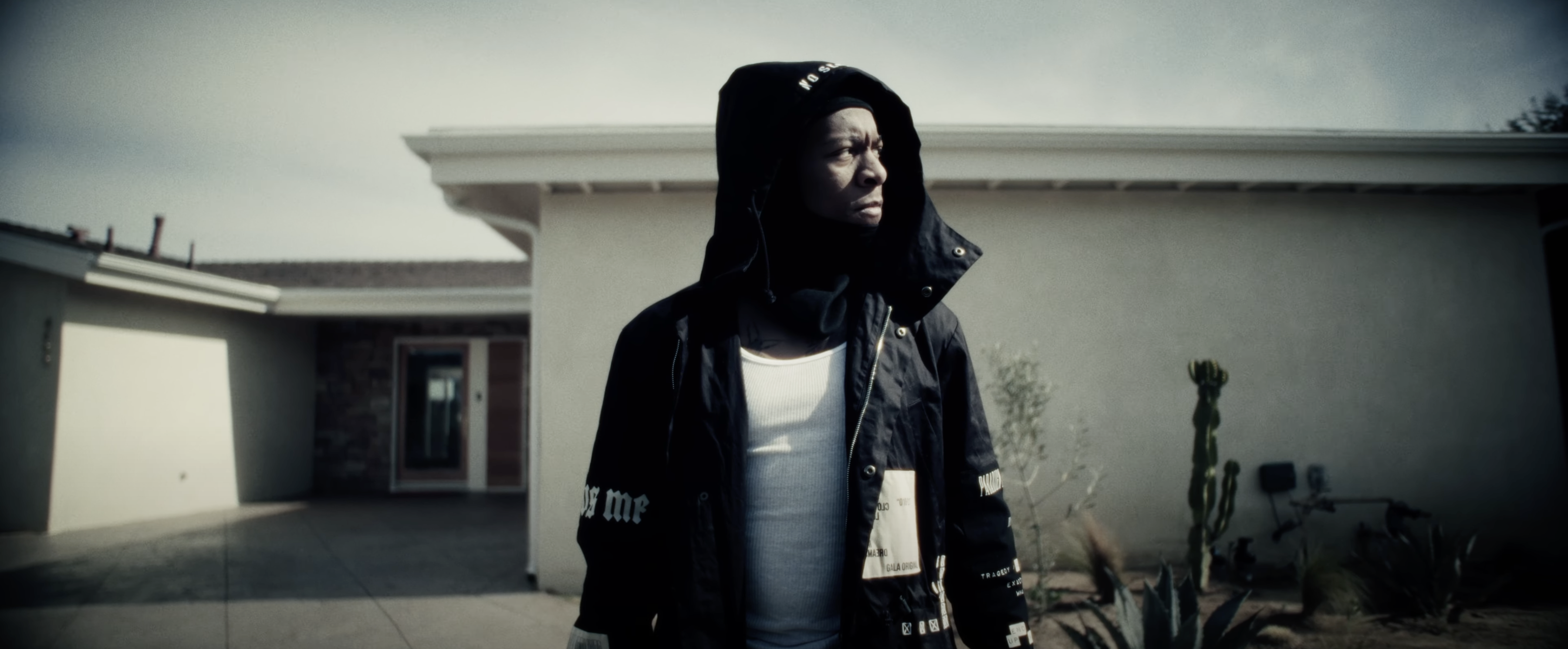
Define the casting conversation
Start with the roles you can credibly pursue now, not every role you hope to play one day. What is missing from your current materials? Perhaps you have comedy but no grounded drama, or authority but no vulnerability. A useful scene fills a specific gap. It gives agents and casting another way to imagine you.
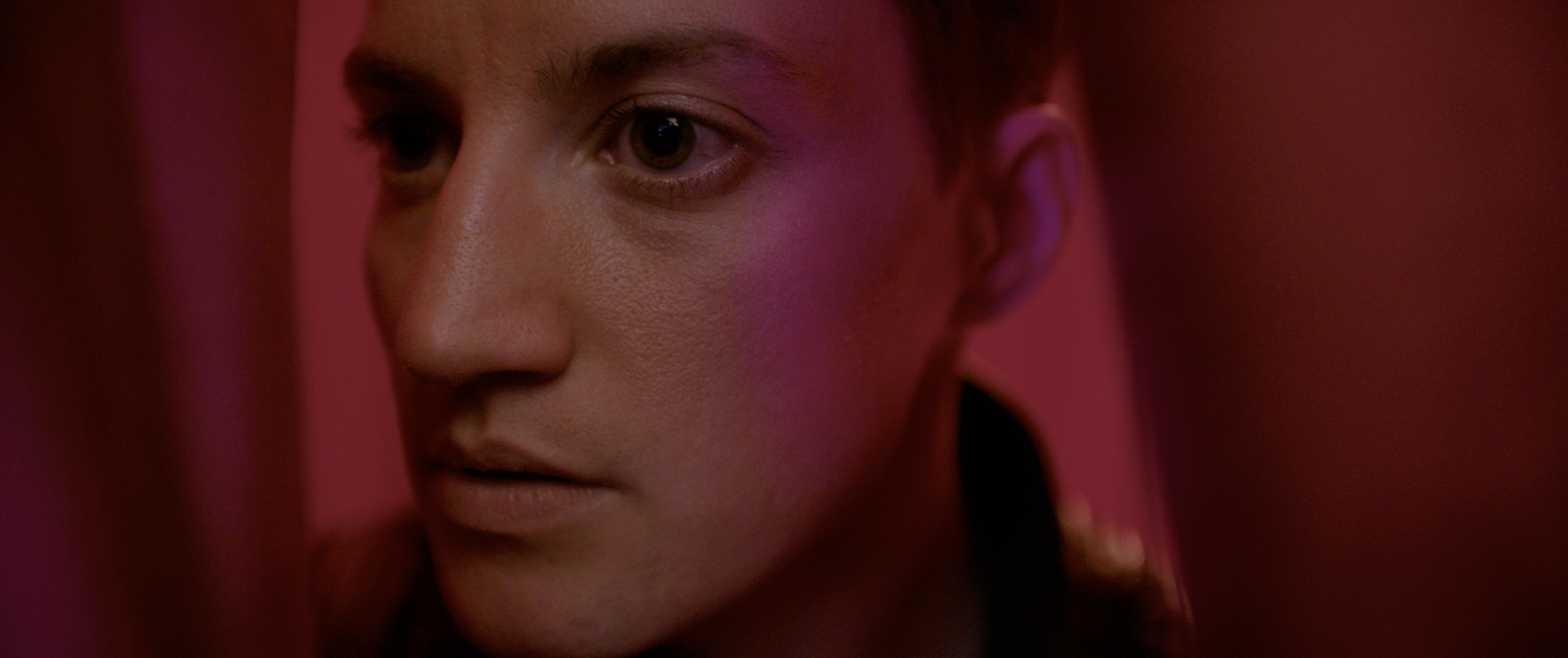
Write a scene, not a showcase speech
A demo scene still needs conflict, relationship, subtext, and change. Avoid dialogue that exists only to announce the character's biography or emotional state. The actor should have something to do to another person. When the scene has a real dramatic engine, the performance can reveal range without trying to display it.
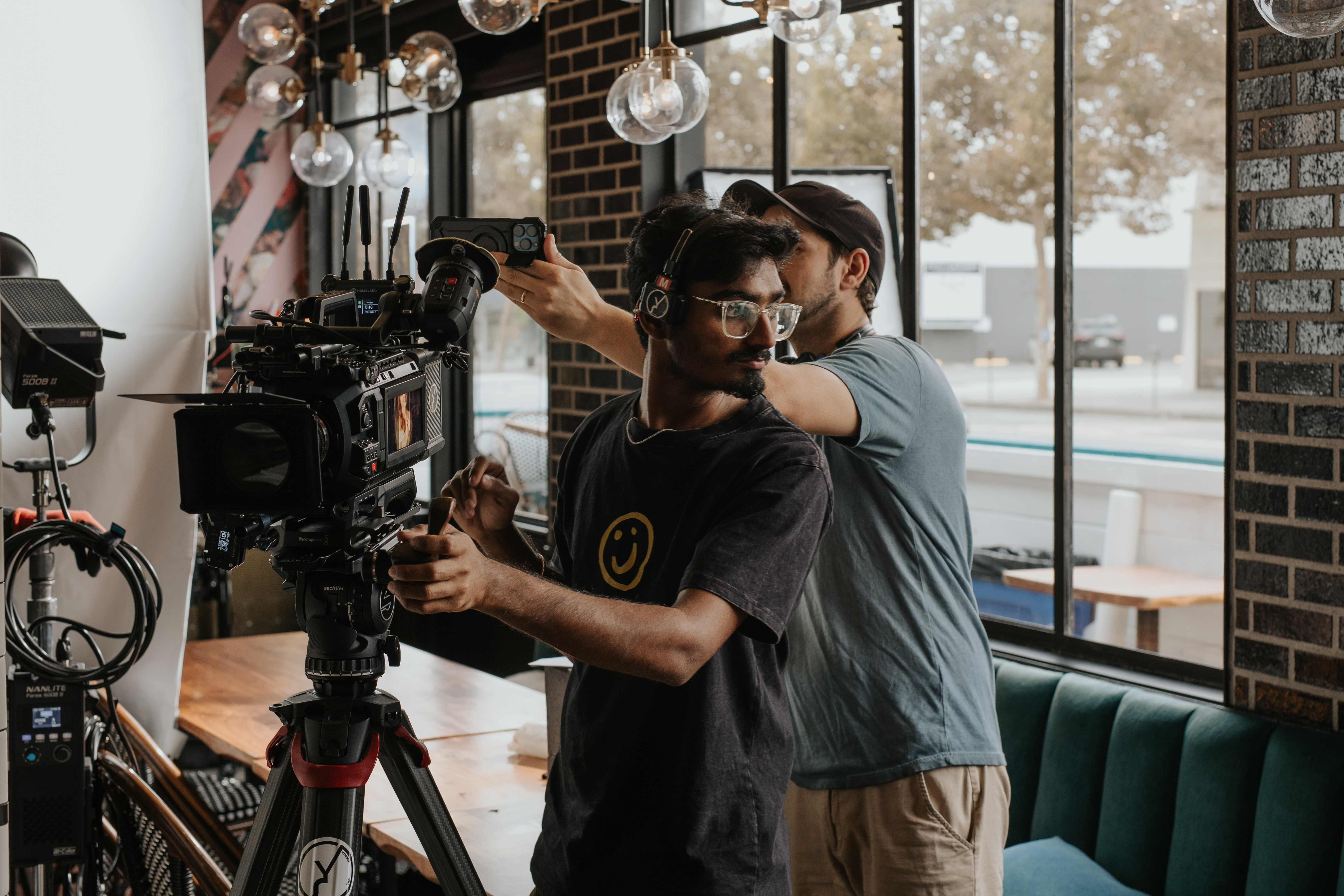
Use a scene partner who gives you something
Reels suffer when the other actor is treated as a moving cue card. A strong partner creates pressure, surprise, and genuine listening. The scene remains focused on you through writing and coverage, not by making everybody else lifeless. Casting learns about an actor partly through the quality of connection.
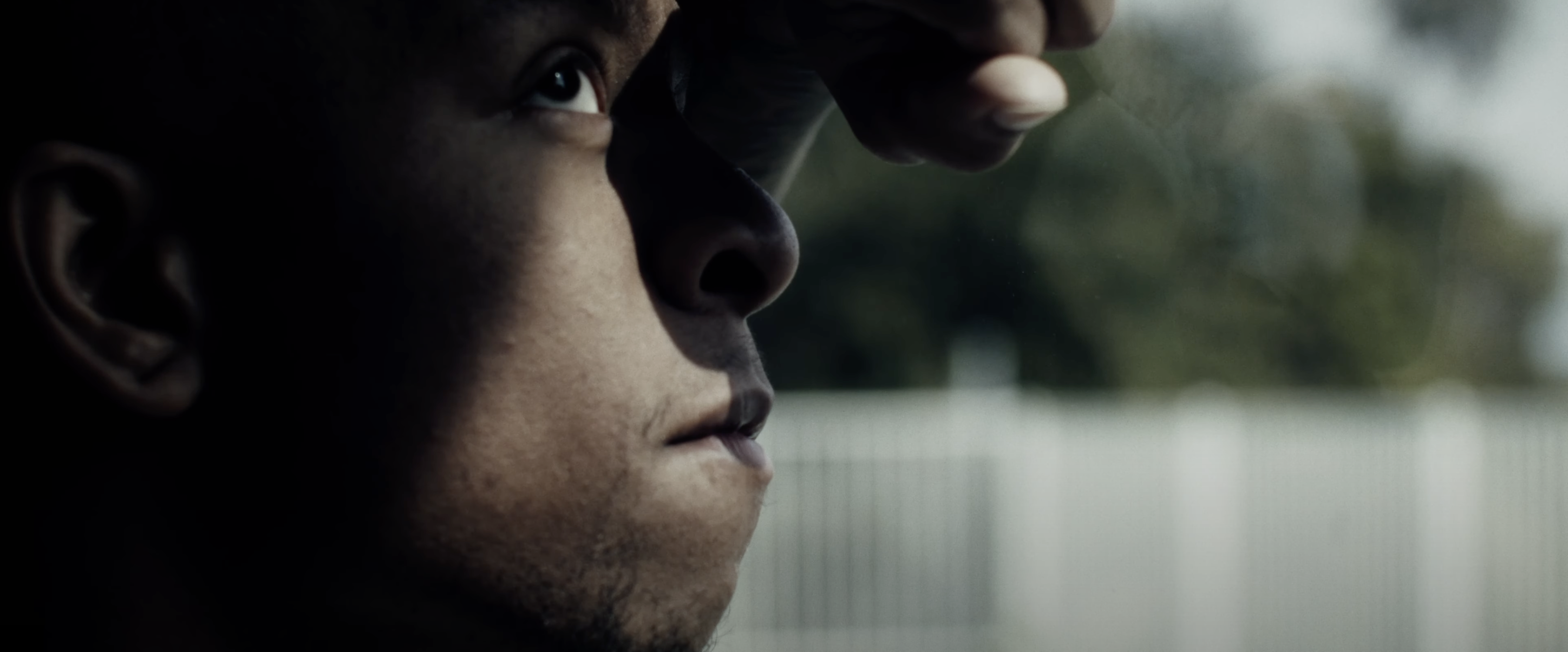
Protect the performance technically
The camera, light, sound, blocking, and edit should make the acting easier to assess. Complicated movement is useful only when it serves the scene. Music should not cover dialogue. Color should support the world rather than advertise the grade. Professional craft is most effective when the viewer stops noticing it.
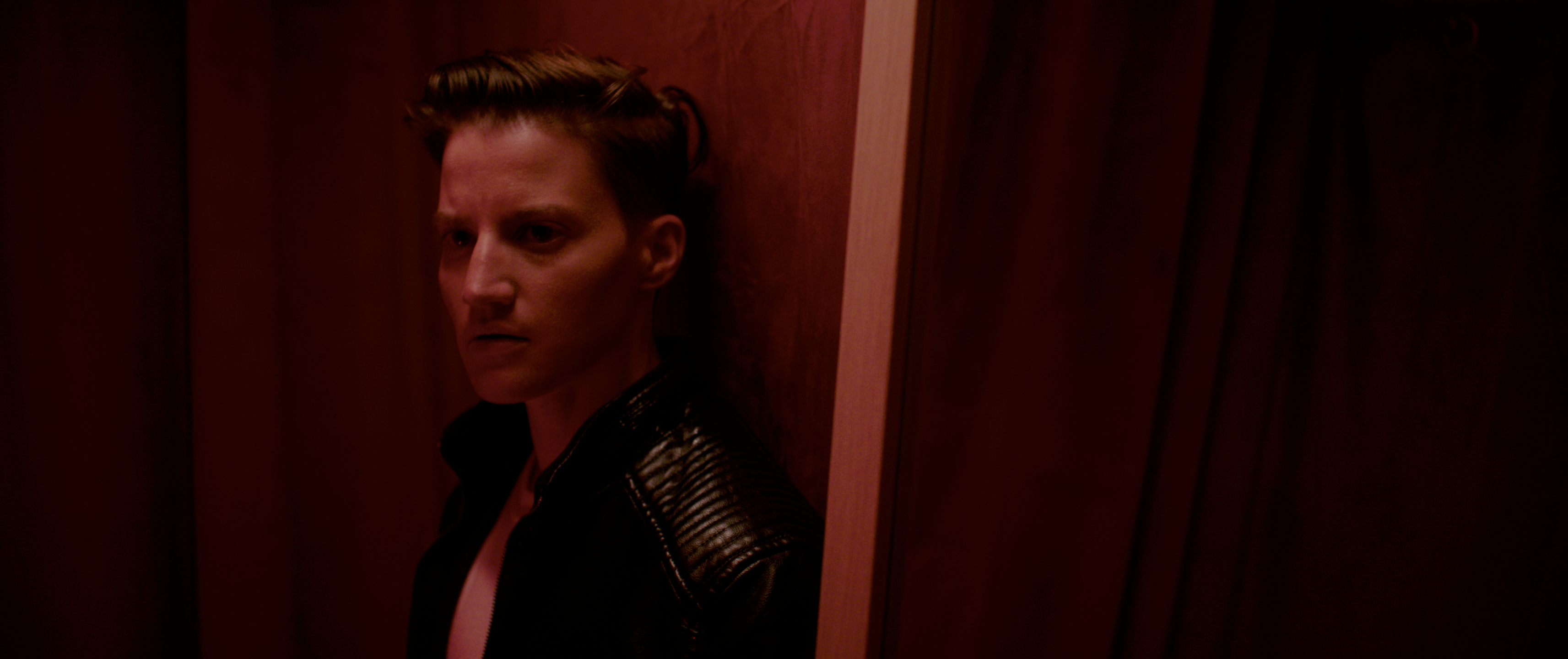
Edit for curiosity
Open with the moment that makes somebody want to continue, enter scenes late, and leave before the point has been repeated. Keep reactions that reveal thought. Remove setup the viewer does not need. A reel does not have to finish every story. It has to make the actor feel worth another conversation.
The final length depends on the material, but discipline matters more than a specific number. If ninety seconds is strong, do not stretch it to two minutes. If a separate dramatic and comedic version makes the casting clearer, create both.

Comments