Acting Classes vs Real Film Sets: What Actually Builds a Career?

Acting classes and real set experience both matter, but they serve different purposes. Classes offer structure, vocabulary, exercises, and a safe place to make mistakes. At some point, those tools have to leave the classroom and survive an actual production.
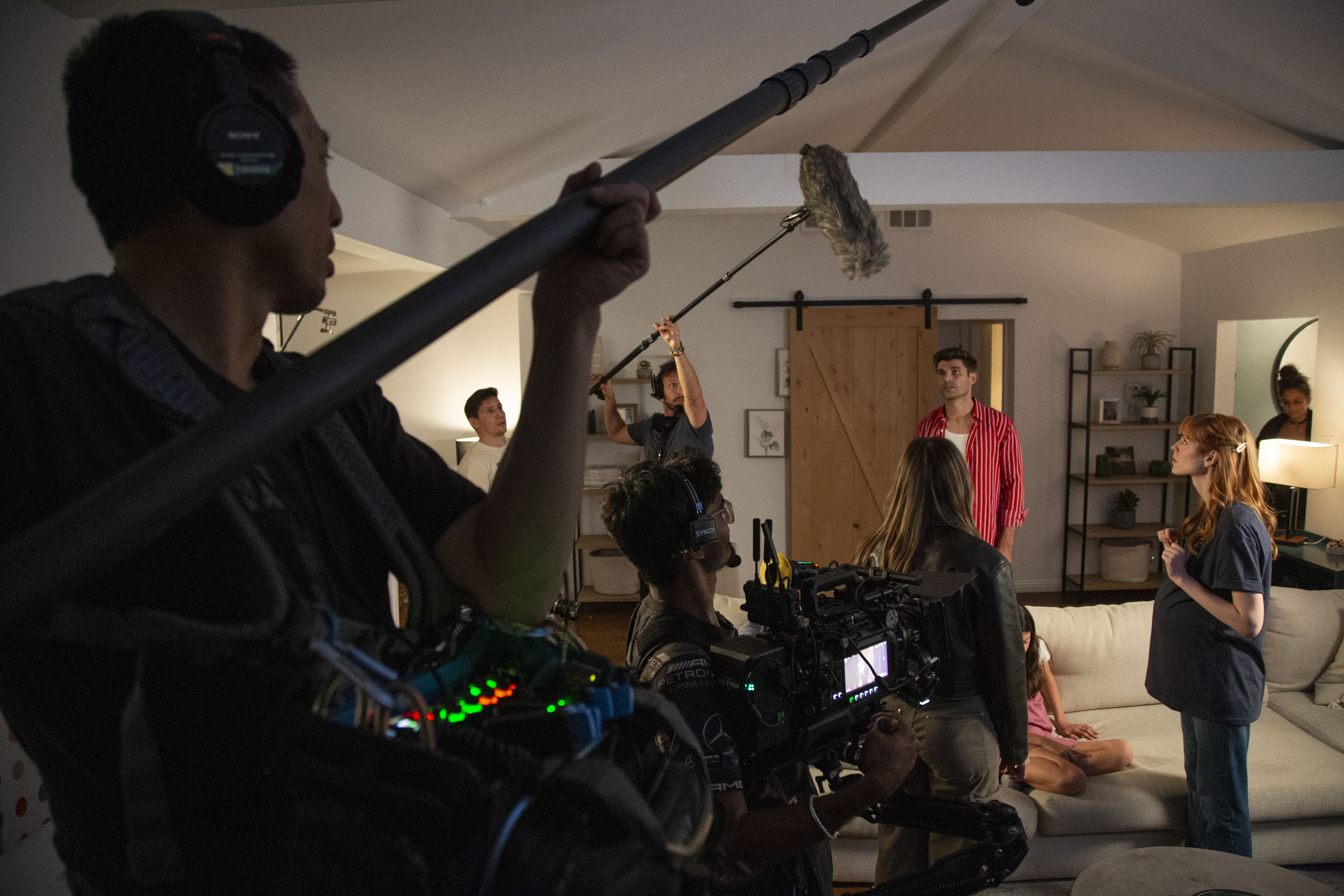
Classes are valuable because they slow the craft down. An actor can isolate a problem, repeat an exercise, discuss process, and fail without a production losing time. Sets do the opposite. They place the actor inside a larger machine where performance must coexist with lenses, light, sound, continuity, schedules, and the needs of many departments.
The transition can be surprising. A scene that felt free in class may become tight when the actor must hit a mark, preserve an eyeline, repeat an action, and deliver the emotional turn inside a specific frame. This does not make the set less creative. It teaches the actor how craft functions within filmmaking.
The pace changes everything
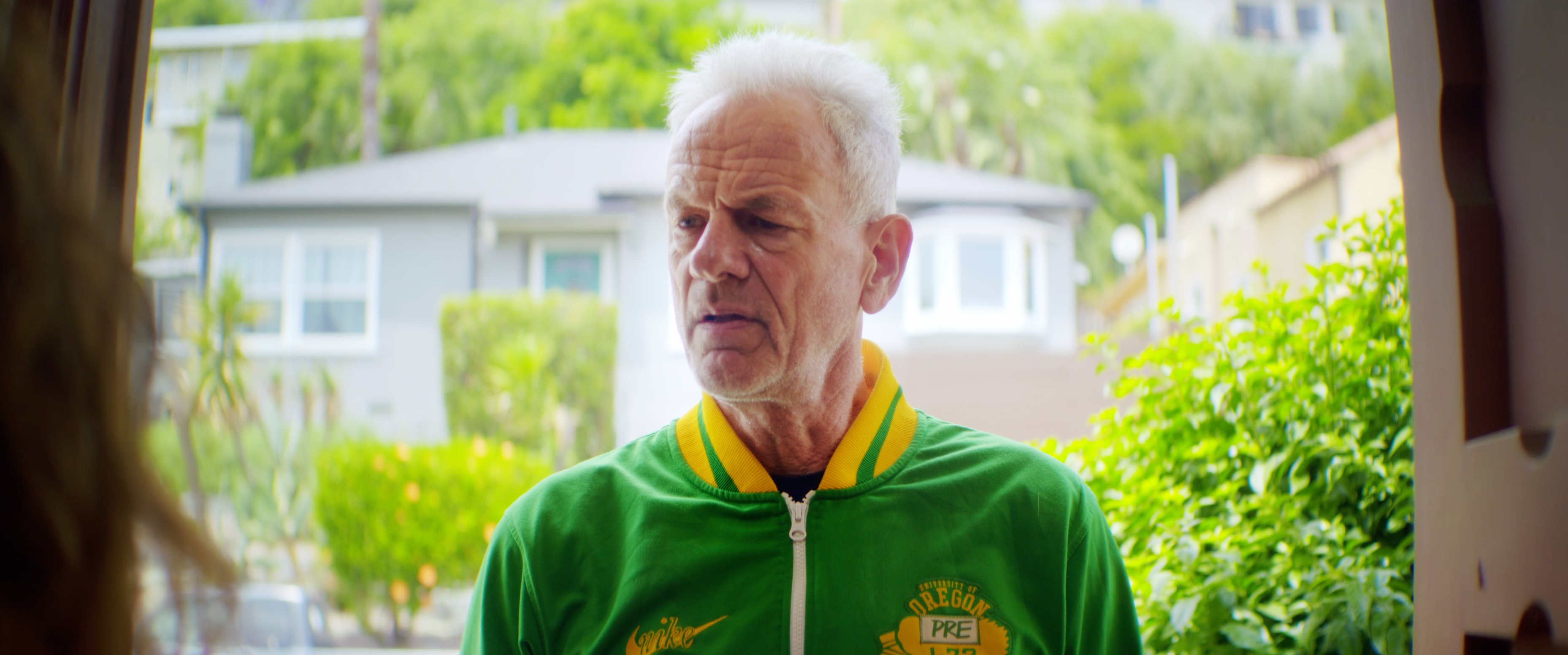
A class may rehearse and discuss a scene repeatedly. On set, preparation time can be short and the schedule keeps moving. Actors must trust their work, make clear choices quickly, and remain flexible when the director, location, light, or coverage changes.
Time pressure reveals whether preparation is usable. The schedule may allow only a short rehearsal before cameras roll. Dialogue changes, blocking shifts, or coverage starts with the emotional end of the scene. Actors need a process that gets them ready without requiring ideal conditions. Real experience tests which tools remain available when attention is divided.
Camera awareness becomes part of acting
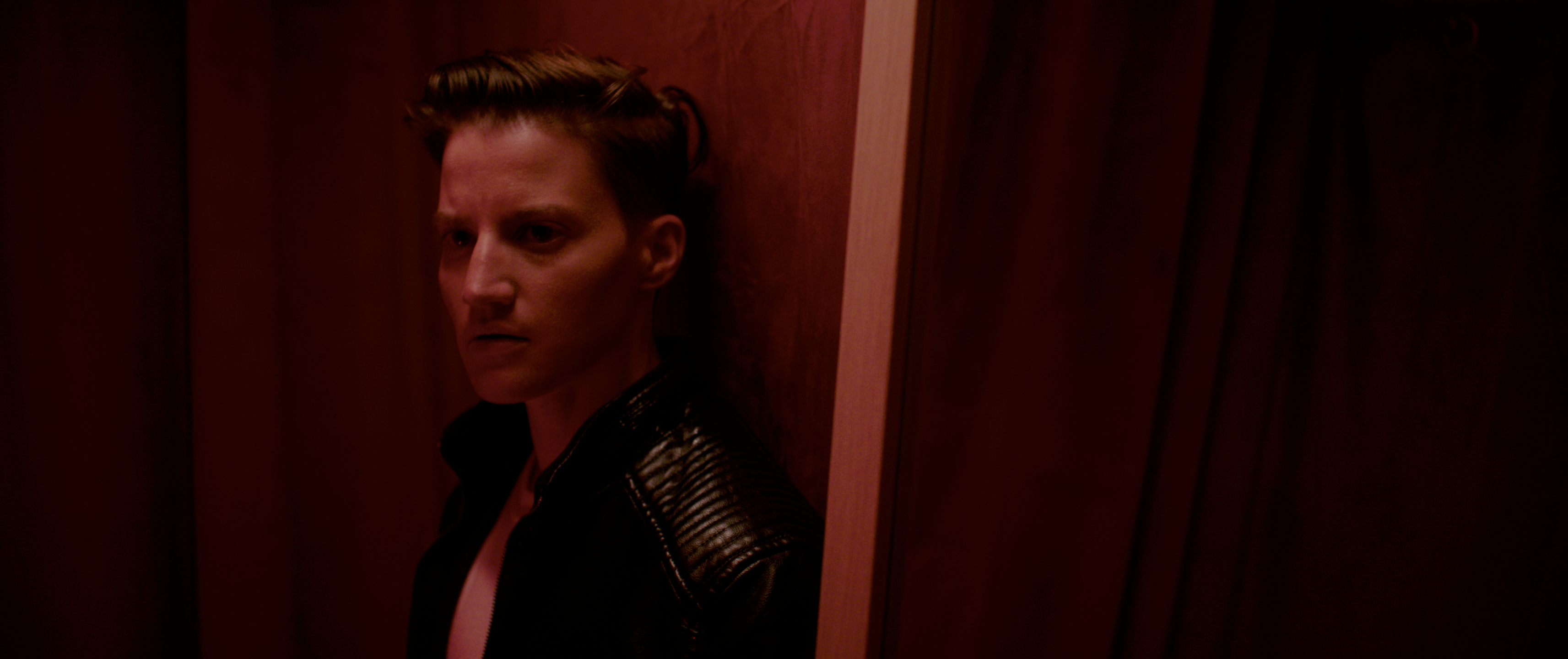
Sets teach how framing affects performance, how marks support focus and lighting, and why continuity matters. Where you place a glass, when you turn, and how you repeat an action across angles influence whether the scene can be edited.
Camera awareness should support truth rather than replace it. Learn the frame, lens distance, focus limits, and mark so you can stop worrying about them. Continuity is part of generosity toward the editor. Repeating when you pick up a glass or cross the room gives post-production choices while the inner life remains responsive.

Relationships grow through work
A set places actors beside directors, writers, producers, cinematographers, editors, designers, and performers. Those relationships often continue. Reliability and collaboration can lead to recommendations and opportunities that no classroom exercise creates by itself.
Sets also teach professional relationships. The actor sees how long lighting takes, why sound needs quiet, how wardrobe tracks continuity, and how the assistant director protects the schedule. Respect grows from understanding this interdependence. A reliable actor becomes someone directors and producers can imagine placing into more demanding circumstances.
Use both, but do not hide in class
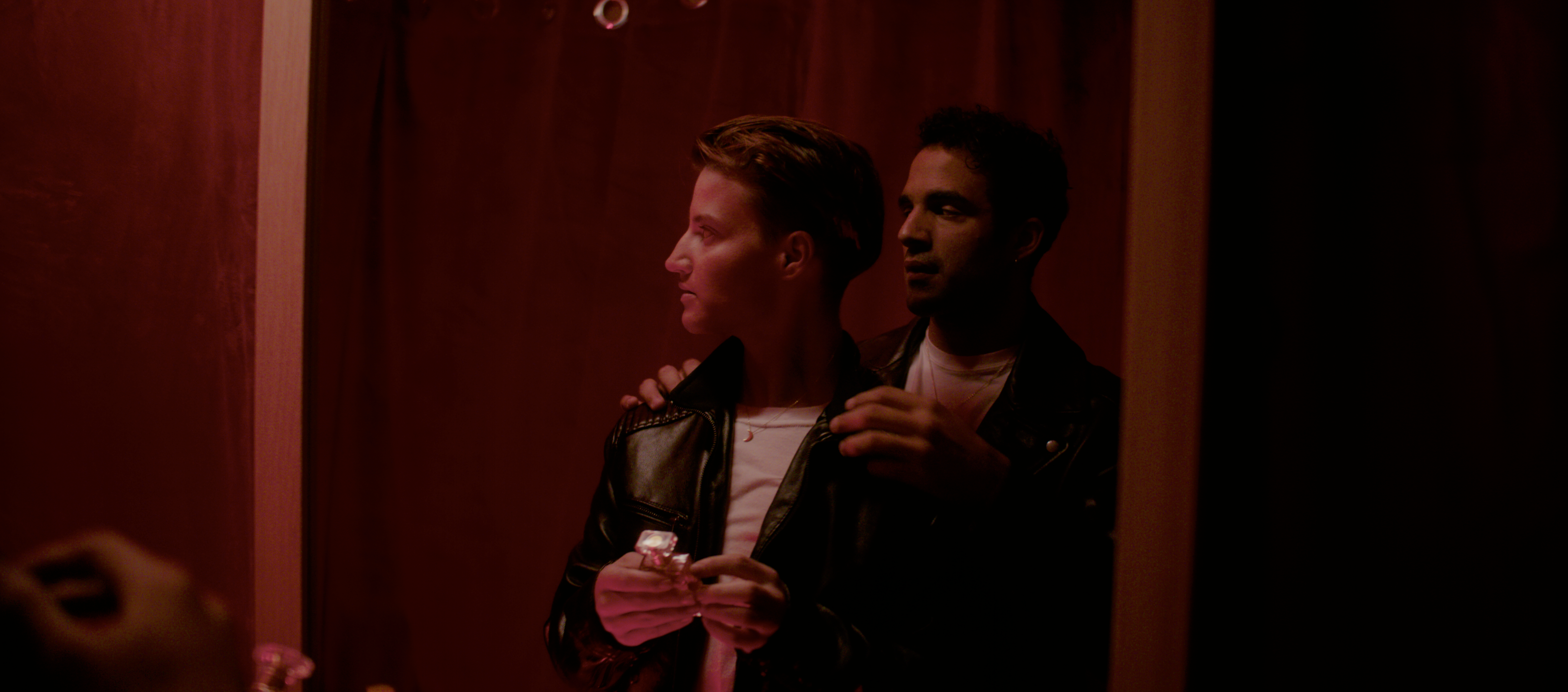
Classes remain valuable for refreshing technique and taking risks. The strongest path combines both worlds: learn fundamentals, apply them on sets, then return to training with specific questions. Once the foundation is solid, prioritize making work.
Class can become a hiding place when preparation never leads to public work. It is possible to keep polishing technique because a real set carries the risk of imperfection. At some point, make the short, film the scene, audition, or join a production. The set will expose specific weaknesses, and those discoveries can make the next period of training far more useful.
Create a cycle between training and practice
Use class to build vocabulary, experiment, and repair. Use sets to integrate those tools under pressure. Then return to training with concrete questions about listening, marks, continuity, pace, or camera size. Neither environment replaces the other. A career grows when learning repeatedly becomes work, and work sends the actor back to learning with greater precision.
Watch the original video
This article was adapted and expanded from The Filmmaker's Mindset video: https://www.youtube.com/watch?v=qm-3H-Jt07s

Comments