Acting Fundamentals: Why Returning to the Basics Makes You Better

Actors spend years exploring methods, workshops, and exercises that promise to deepen the craft. Curiosity is healthy, but sometimes the strongest step forward is returning to fundamentals. Listening, truthfulness, honest response, and presence sound simple. That does not make them easy.
The fundamentals are easy to dismiss because they do not sound sophisticated. Listening and presence lack the mystery of a named method or advanced workshop. Yet the difficulty of these basics increases as pressure increases. It is one thing to listen in a quiet exercise and another to stay genuinely receptive while remembering marks, continuity, dialogue, lens size, and a changing schedule.
Returning to basics is not going backwards. Experienced artists in every discipline revisit foundational actions because those actions support complexity. The more demanding the role, the more useful it becomes to have a simple center that remains available when elaborate preparation cannot be consciously managed.

Listen instead of anticipating
If you are waiting for your cue or planning how the next line should sound, you are performing an idea rather than responding. Real listening allows small shifts in timing, emotion, and behavior to happen without being forced.
Anticipation often appears as polished timing. The actor knows exactly when the cue comes and delivers the next line efficiently, but nothing has been received. Try allowing the partner's words to complete their effect before responding. This may alter breath, pace, eye focus, or thought. Those small changes are where the camera often finds life.
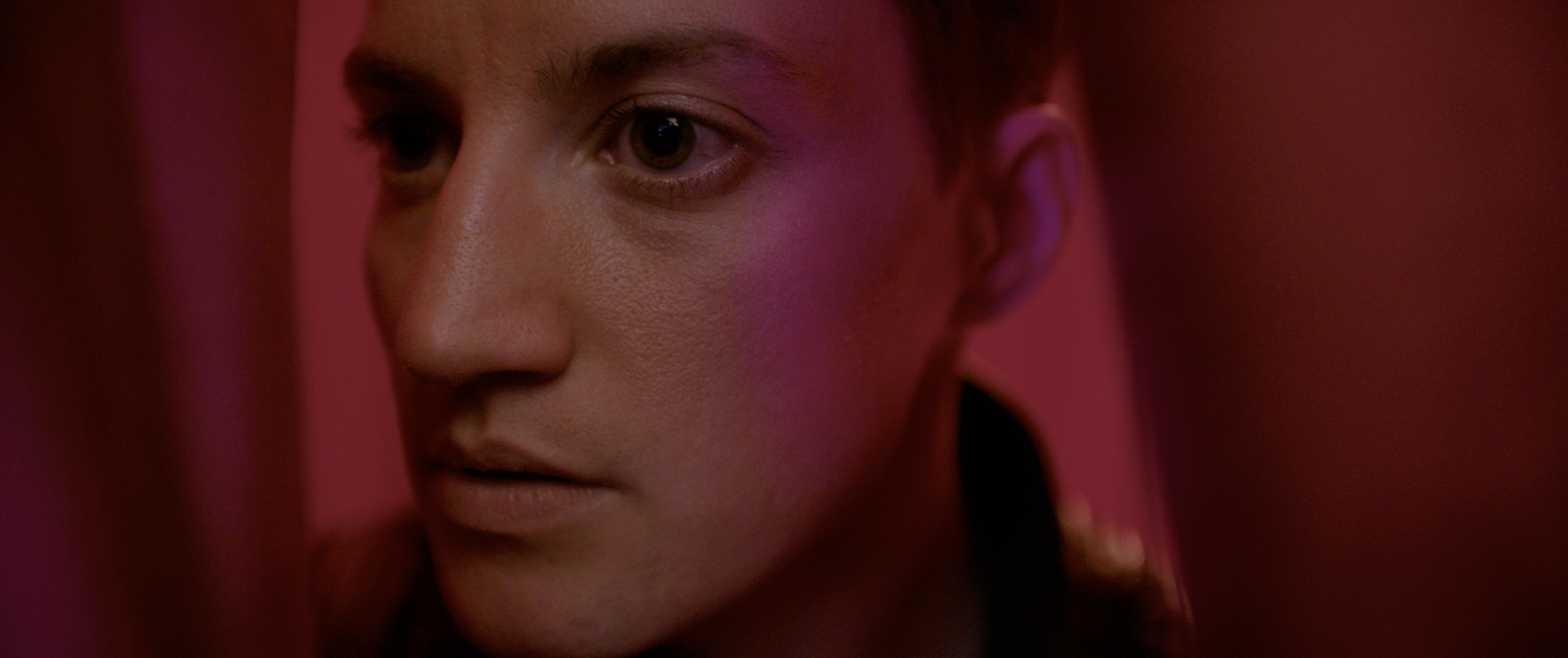
Technique should reduce effort
Emotional memory, physical action, improvisation, and analysis can all help. The problem begins when too many instructions compete while the camera rolls. Technique should support truthful behavior, not replace it.
Technique should happen largely before and beneath the take. Script analysis, objectives, substitutions, physical work, and imagination prepare the instrument. Once action is called, holding every instruction in conscious attention creates stiffness. If the mind becomes crowded, simplify: Where am I? What do I need? What is the other person doing to me right now?

The basics survive a difficult set
Film sets include time pressure, camera adjustments, noise, and changing plans. Complex preparation can become hard to access. Presence, focus, and connection remain available and give you a reliable center.
Difficult sets reward portable tools. There may be no private warm-up space, rehearsal may be brief, and the first setup may be a close-up from the end of the scene. Presence and listening do not require perfect surroundings. They let the actor reconnect to the immediate circumstances even when the production order is fragmented.
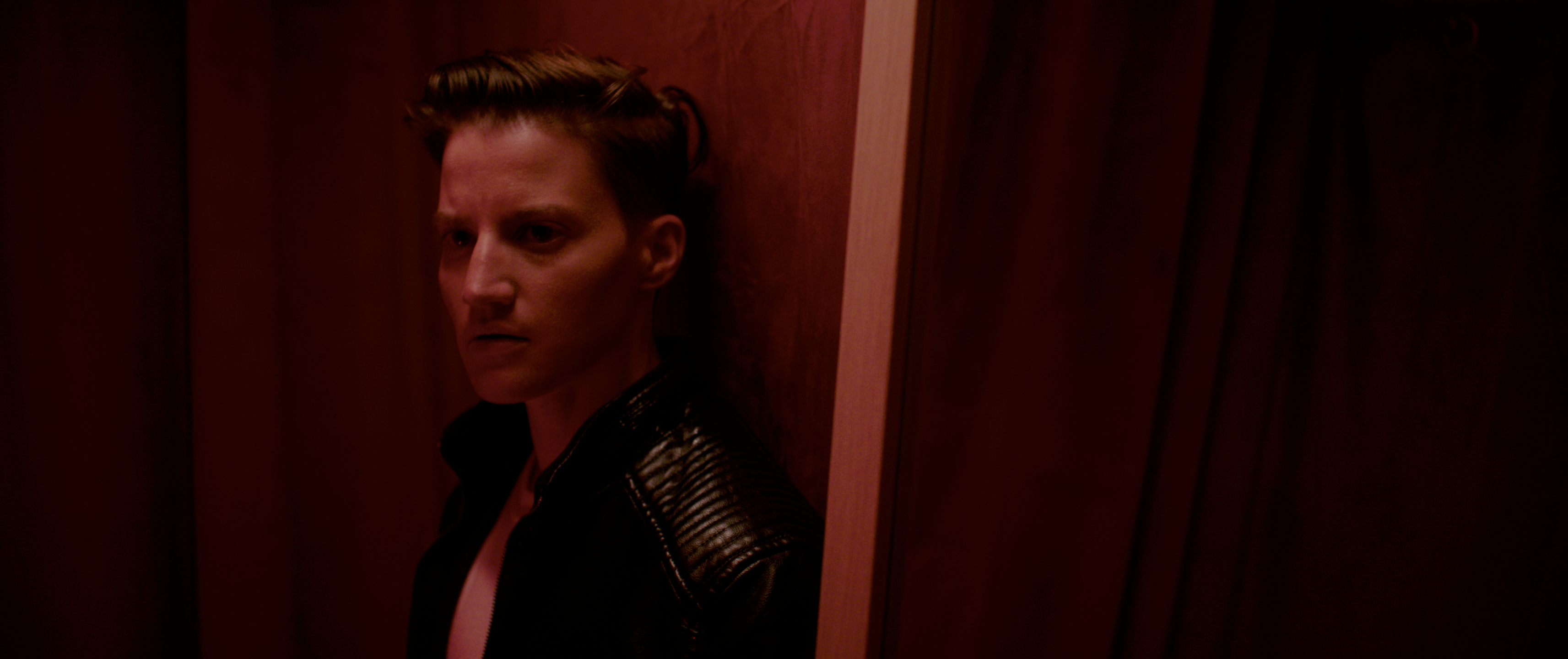
Effortless work rests on foundations
Musicians practice scales and athletes repeat core movements throughout their careers. Great performances rarely look complicated. They feel effortless because the actor trusts the foundation rather than trying to display technique.
Effortless does not mean unprepared. It means preparation has been absorbed deeply enough that the audience sees behavior rather than labor. Like scales for musicians, basics are repeated so they become dependable. The actor can then take greater imaginative risks because the foundation remains steady.

Make the simple work specific
In your next rehearsal, choose one fundamental rather than ten techniques. Listen without planning the response. Track what genuinely changes. Stay connected through silence. Then watch the recording and look for behavior, not intensity. The basics become powerful when they are practiced with precision. They are not beginner tools to outgrow, but durable skills to deepen throughout a career.
Related reading: The Unseen Art of Non-Verbal Acting and Versatility in the Industry by Maty Young and Acting Classes vs Real Film Sets: What Actually Builds a Career?.
Watch the original video
This article was adapted and expanded from The Filmmaker's Mindset video: https://www.youtube.com/watch?v=gjRVpVGzvE4

Comments