Why Directors Need Screenwriting and Cinematography Skills

Directors are storytellers, and film tells stories through written structure and visual images. A director does not need to replace the screenwriter or cinematographer, but understanding both crafts makes collaboration faster, clearer, and more intentional.
A director is responsible for coherence. Performances, design, sound, editing, and images may be created by specialists, but the finished film needs to feel as though these choices belong to the same story. Screenwriting and cinematography are two of the clearest ways to understand that structure from the inside.
Learning these crafts does not mean micromanaging collaborators. In fact, knowledge often makes collaboration more generous. A director who understands what a rewrite affects or what a lighting plan requires can ask clearer questions, prepare more honestly, and recognize a strong idea when a writer or cinematographer offers one.
Read the script as dramatic movement
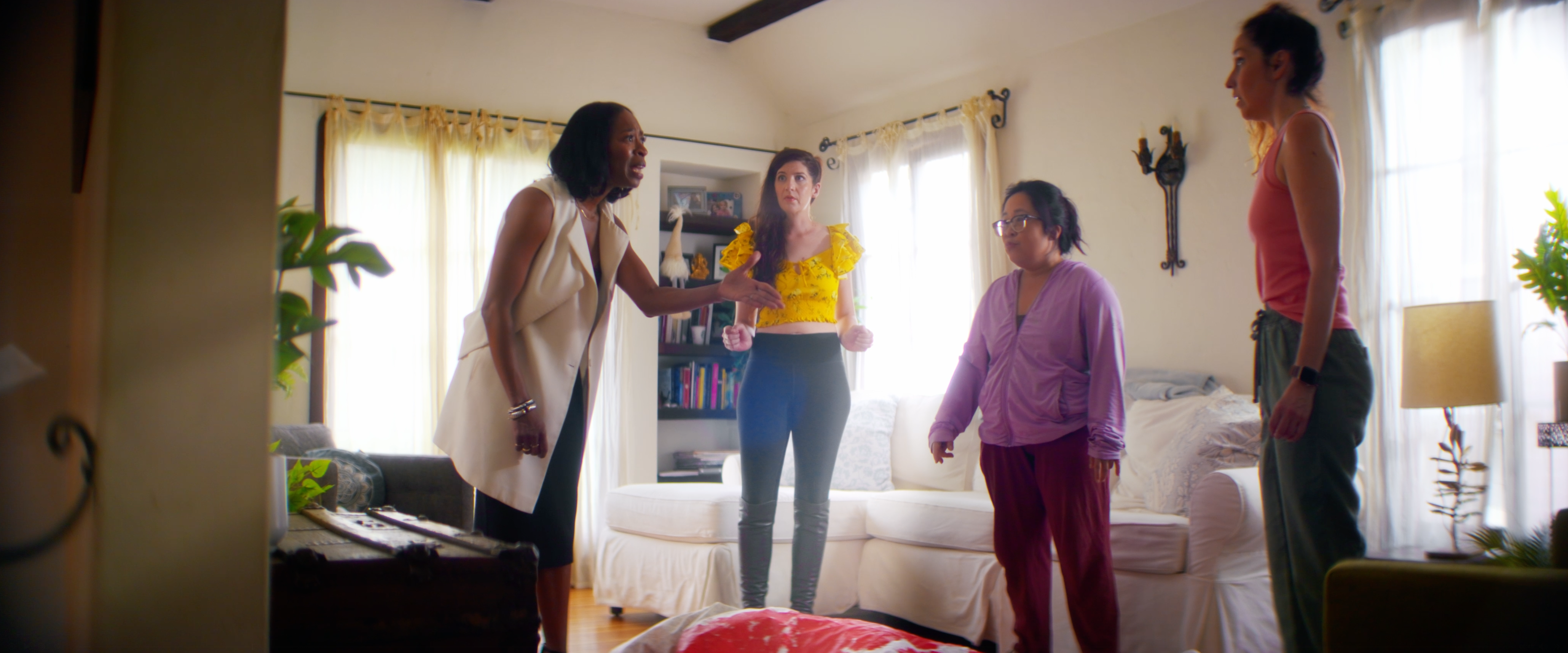
A screenplay is more than dialogue. It is beats, changing relationships, choices, reversals, and emotional transitions. Screenwriting knowledge helps a director identify the purpose of each scene and the larger arc it serves.
Reading dramatically means tracking change. What does each character want at the beginning of the scene? What new information, action, or emotional shift makes the scene different by the end? When a director can identify those beats, rehearsal becomes focused and coverage can be designed around the moments that actually move the story.
The camera changes meaning
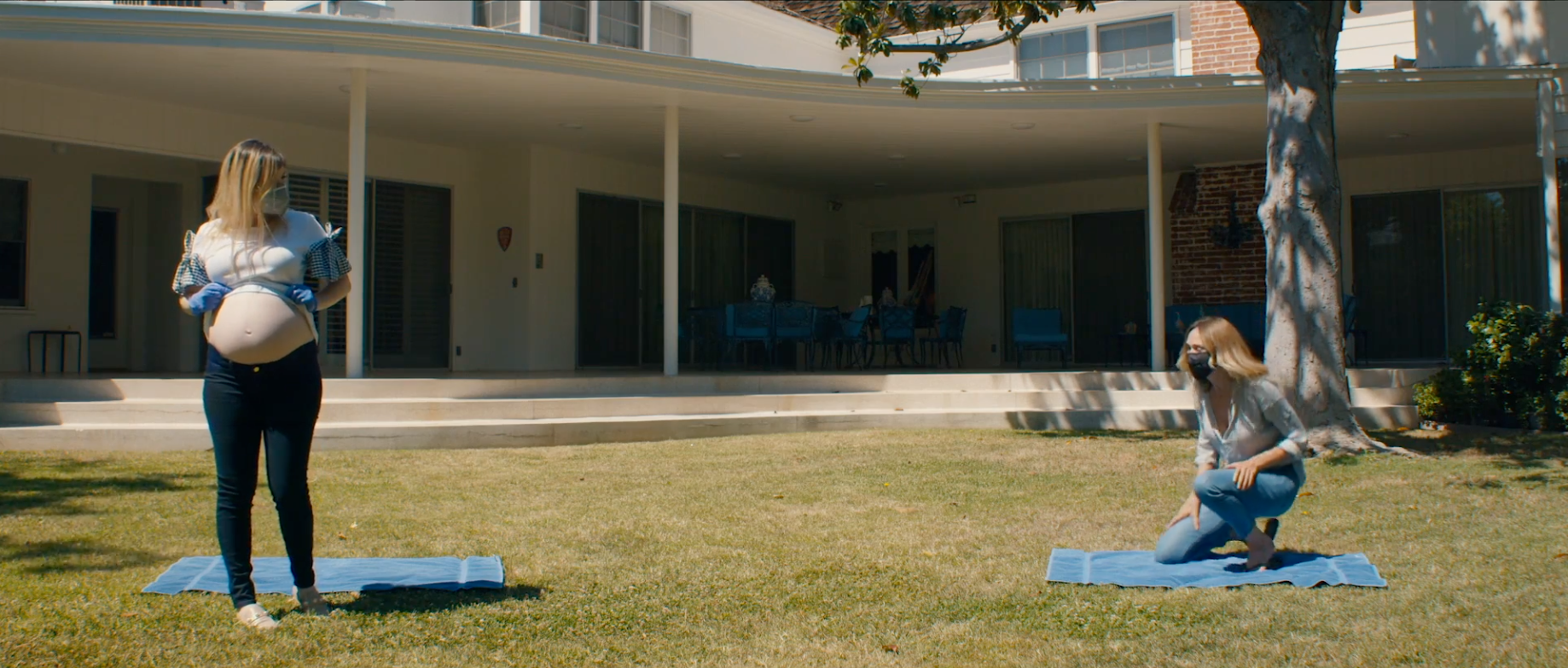
Lens choice, framing, movement, lighting, and distance influence interpretation. A close-up may create intimacy or pressure. A wide shot can express freedom or isolation. Light can make the same room feel safe, exposed, cold, or threatening.
Camera choices define point of view. Distance determines how much access we feel. Height can alter power. Movement can create pursuit, discovery, dread, or release. Lighting shapes what is revealed and what remains uncertain. A director does not need to choose every fixture, but should understand how the visual language affects interpretation.
Speak emotional and visual language
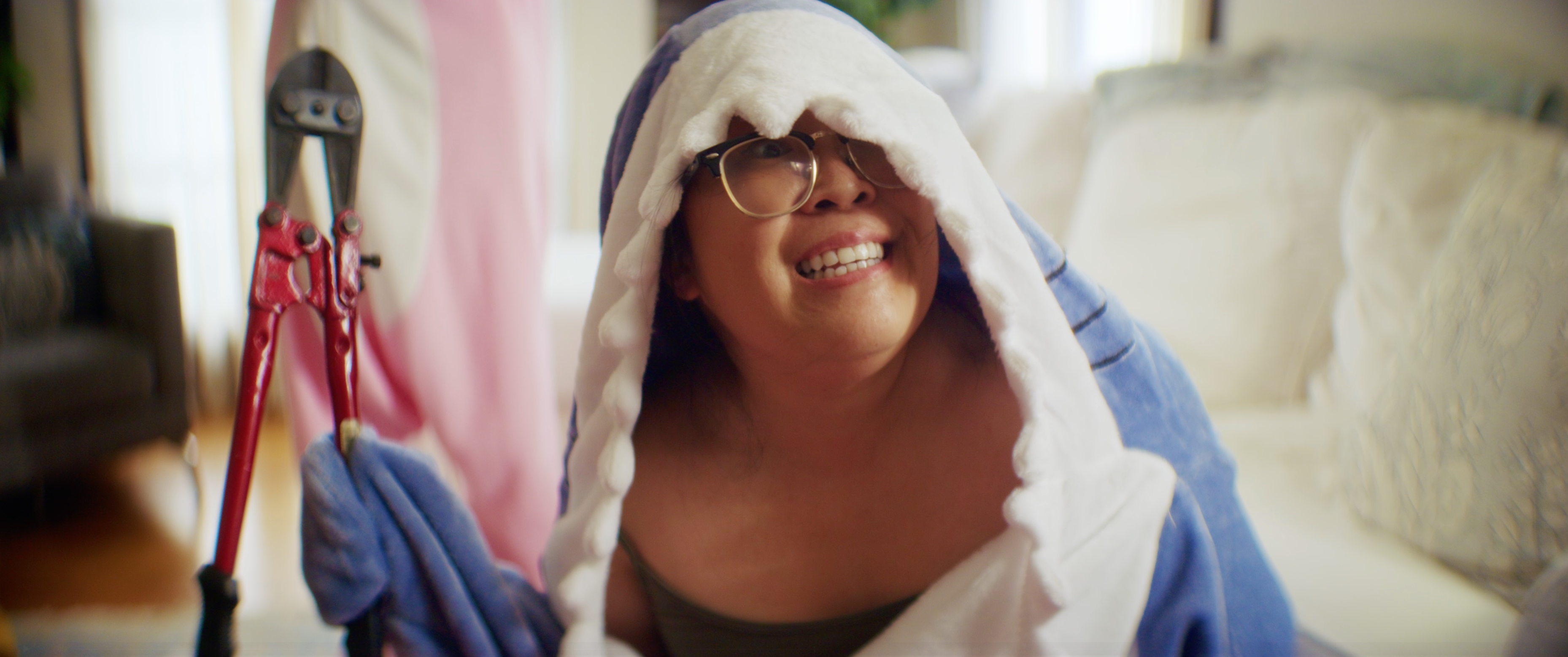
A director should describe what a scene feels like and how the image participates. This does not mean dictating every technical choice. A cinematographer remains a creative partner. Shared language lets both people explore rather than translate vague instructions under pressure.
Vague direction creates unnecessary translation. Make it more cinematic or give me more coverage may not identify the problem. A clearer conversation links feeling and image: we need to remain trapped with this character, or the room should begin safe and slowly feel exposed. The cinematographer can then propose technical solutions that carry the dramatic intention.
Align performance with coverage
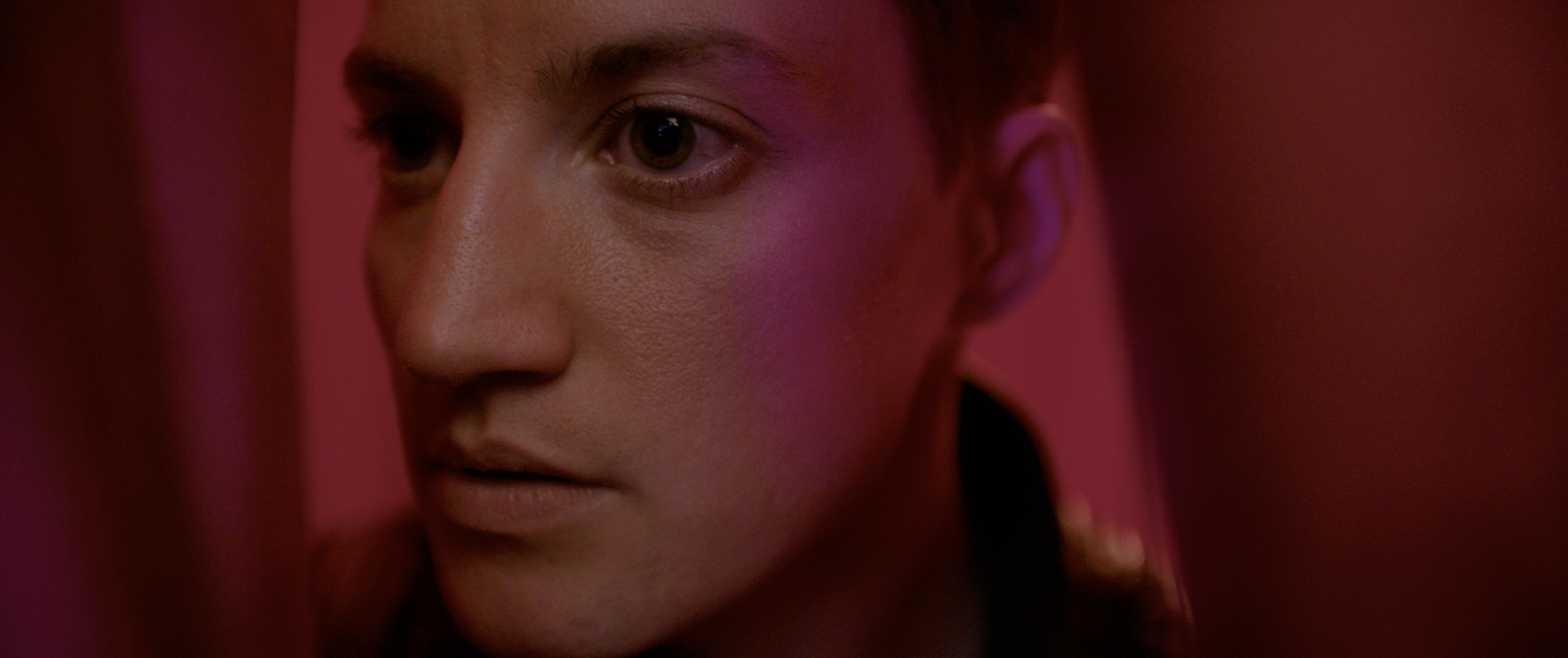
A tiny adjustment may carry a close-up, while a wide shot may need clearer physical behavior. When story, performance, and camera move in the same direction, the audience feels coherent intention. Studying writing and cinematography helps directors guide the whole project without diminishing specialists.
Coverage and performance influence each other. A sustained wide may need physical behavior and complete scene rhythm. A tight close-up can register a nearly invisible change. Knowing the intended frame helps a director calibrate notes without reducing acting to marks. It also protects the edit by ensuring the emotional turn exists in a usable piece of coverage.
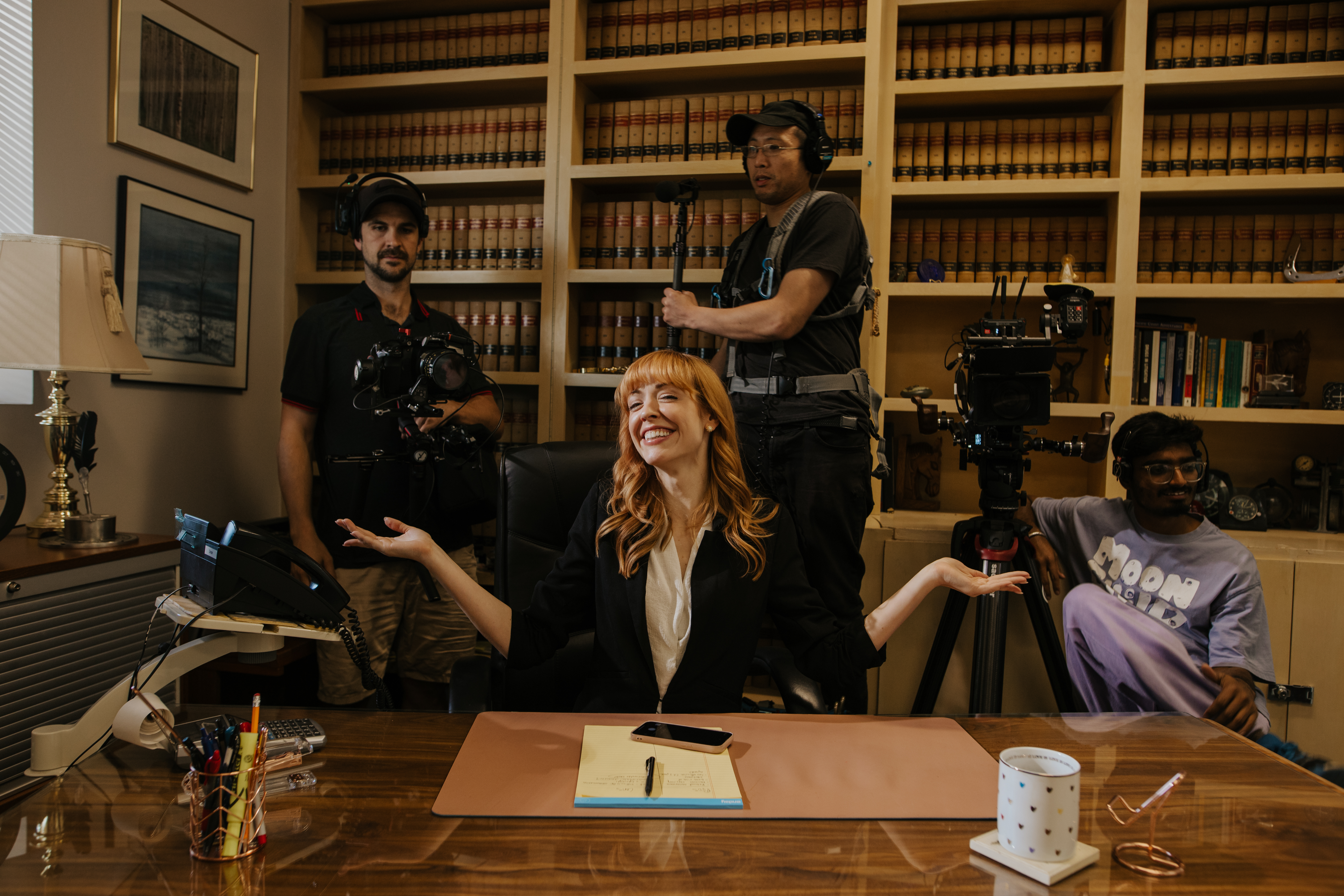
Study enough to lead a shared language
Write scenes, shoot tests, edit your own exercises, and analyze films with the sound off. The goal is not to become the strongest specialist in every department. It is to understand how written and visual decisions create one emotional experience. That understanding lets a director communicate intention, respect collaborators, and guide the project without relying on vague taste.
Watch the original video
This article was adapted and expanded from The Filmmaker's Mindset video: https://www.youtube.com/watch?v=AlAc4VH4fBI
Comments