Innovation in Filmmaking Is Usually a Workflow Problem

Innovation is one of those words the film industry uses until it means almost nothing. A new sensor is innovative. An LED wall is innovative. A cloud platform is innovative. The tools can be extraordinary, but a production does not become forward-thinking simply because the equipment list is current.
Most meaningful innovation solves friction. It helps the team make a stronger decision, protects more creative options, or moves information through the production with fewer opportunities for failure. Sometimes the answer is new technology. Often it is a clearer workflow.
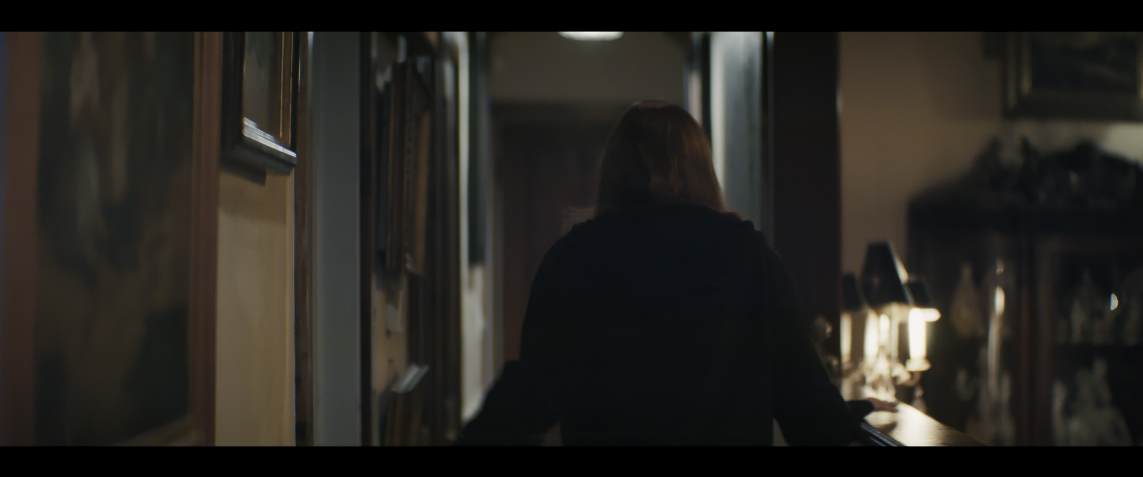
Start with the problem
Do not choose a technical solution because it looked impressive in somebody else's behind-the-scenes video. Define the actual constraint. Is the location impossible to control? Does the client need same-day review? Are visual effects driving framing? Does a small crew need faster resets? Once the problem is specific, the right tool becomes much easier to evaluate.
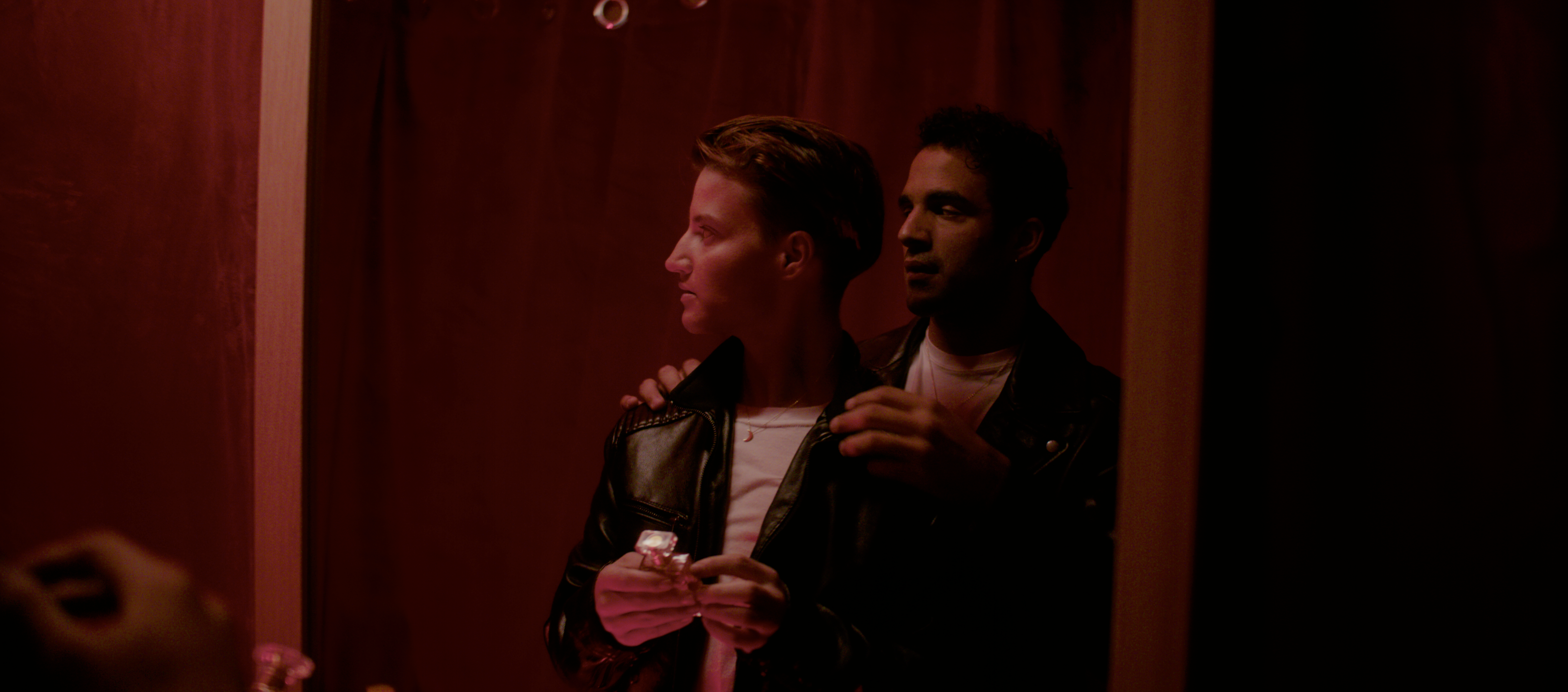
Pre-production is where speed is created
Fast sets are usually prepared sets. Camera tests, shot priorities, file naming, color management, power, media, backups, and approvals should not be invented after call time. Preparation can look conservative from the outside, but it creates room for experimentation because the essential systems are not collapsing around the creative choice.
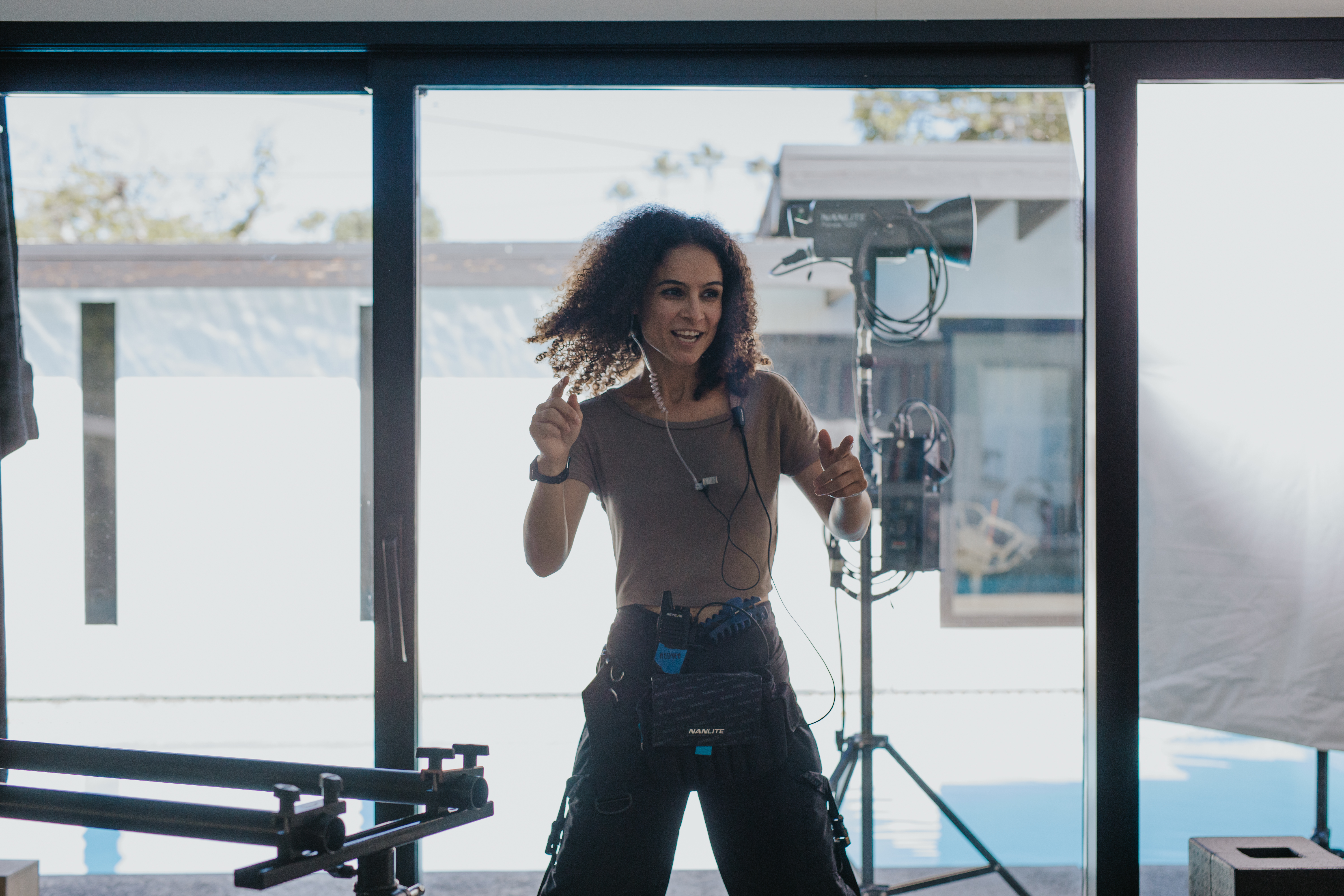
Connect the camera to post
Capture decisions change storage, computers, conform, color, visual effects, and delivery. A high-resolution RAW format may create valuable flexibility, or it may bury a project that cannot manage the data. Innovation means considering the entire chain. The most advanced camera package is not advanced if the footage spends six months waiting for a workable post plan.
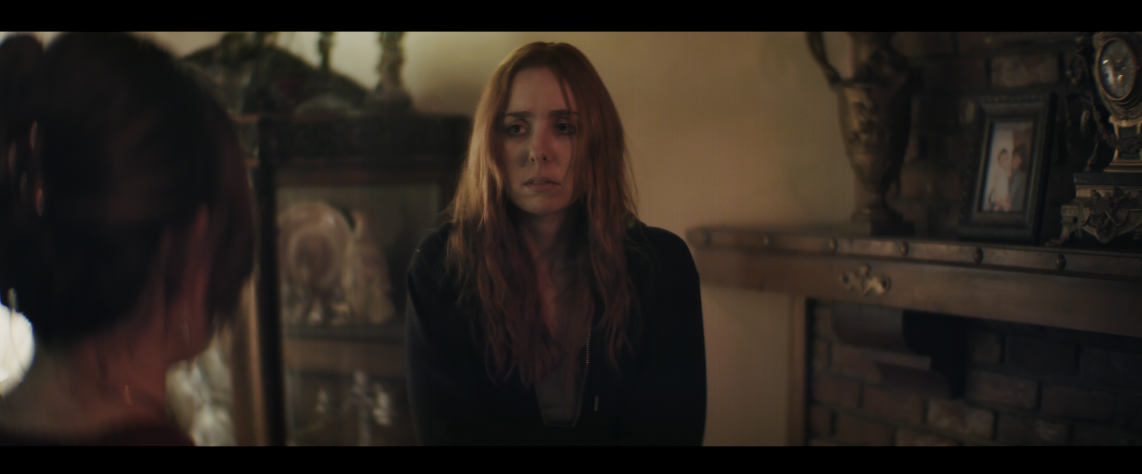
Let constraints generate ideas
Independent filmmaking rarely has unlimited time or money, which can become creatively useful. A location restriction may inspire stronger blocking. A smaller lighting package may produce a more natural visual language. The goal is not to romanticize missing resources. It is to identify which limits can become style and which genuinely threaten the film.
Use technology to make the work more human
The strongest workflows reduce unnecessary attention on the system so the crew can focus on story, performance, and communication. If a tool adds complexity without improving the film, it may be impressive but it is not helping.
At Young One Studio, we keep testing cameras, lighting, post tools, and collaborative systems. The standard is simple: does this let us make better decisions, protect the work, or create something the old process could not? If not, the newest option can wait.

Comments