How to Stay Present and Perform Truthfully on Camera

The simplest acting ideas often create the strongest screen performances. Listening, honesty, connection, and presence can sound too basic after years of classes. Yet audiences recognize these qualities as truth. Presence is active attention to the other person, the circumstances, and what changes inside the scene.
Presence is often described as relaxation, but it is more active than that. It is the continuous work of noticing. The actor receives language, breath, distance, hesitation, and behavior, then allows those details to affect the next moment. This creates the feeling that thought is happening now rather than being reproduced from rehearsal.
Camera magnifies the difference. A planned expression may communicate the general idea of sadness or anger, but the lens can see the effort to present it. A truthful response is often smaller and less predictable because it comes from a specific change in the scene rather than from the actor's picture of what emotion should look like.
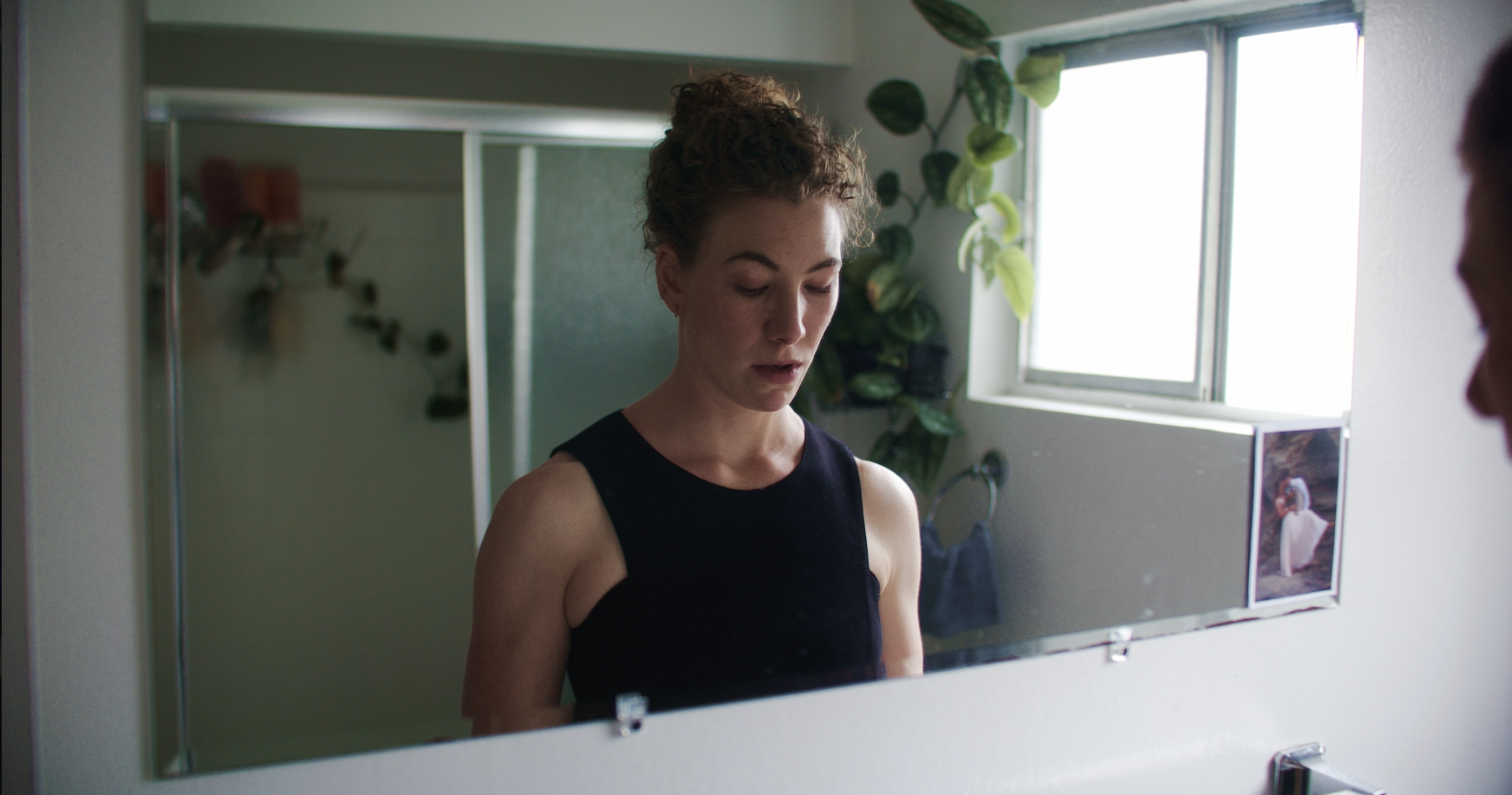
Listen for what changes
Do not listen only for the cue that lets you speak. Notice tone, pace, behavior, distance, and hesitation. If you genuinely receive the moment, your response has a reason to exist. The camera sees the difference between reaction and demonstration.
Listen beyond the words. A familiar line can arrive with a different pause, volume, or intention from the scene partner. If you are only waiting for the verbal cue, that information is lost. Let the partner's behavior become a real obstacle, invitation, or surprise. The response then belongs to this take.
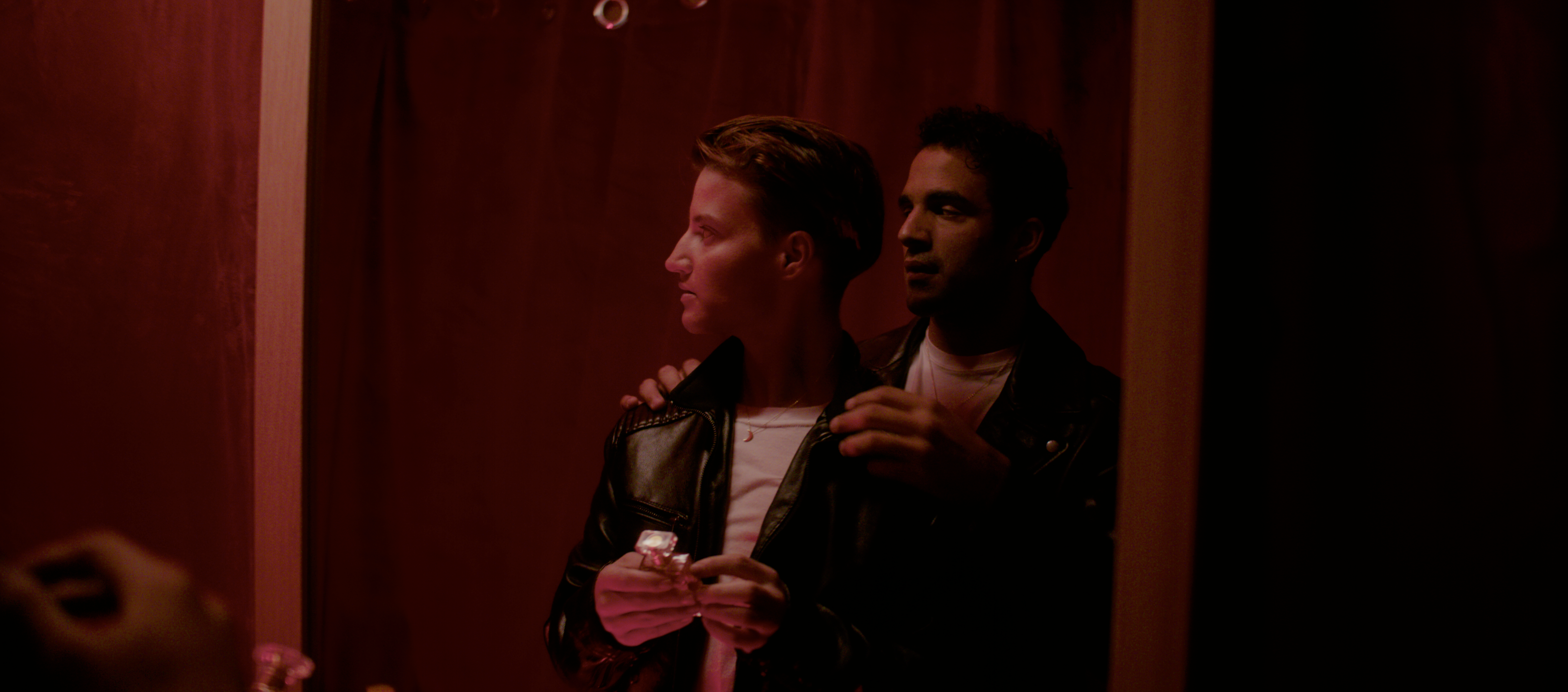
Release the planned result
Preparation gives you an understanding of character and scene, but it should not lock every moment into a predetermined emotional shape. Prepare the circumstances, then allow the result to change.
A planned result can create pressure to reproduce a successful rehearsal. Instead, prepare the circumstances and actions that make the result possible. Know what you want, what is at stake, and what has just happened. Then permit the emotional shape to vary. Continuity matters, but emotional continuity is not the same as copying every facial movement.
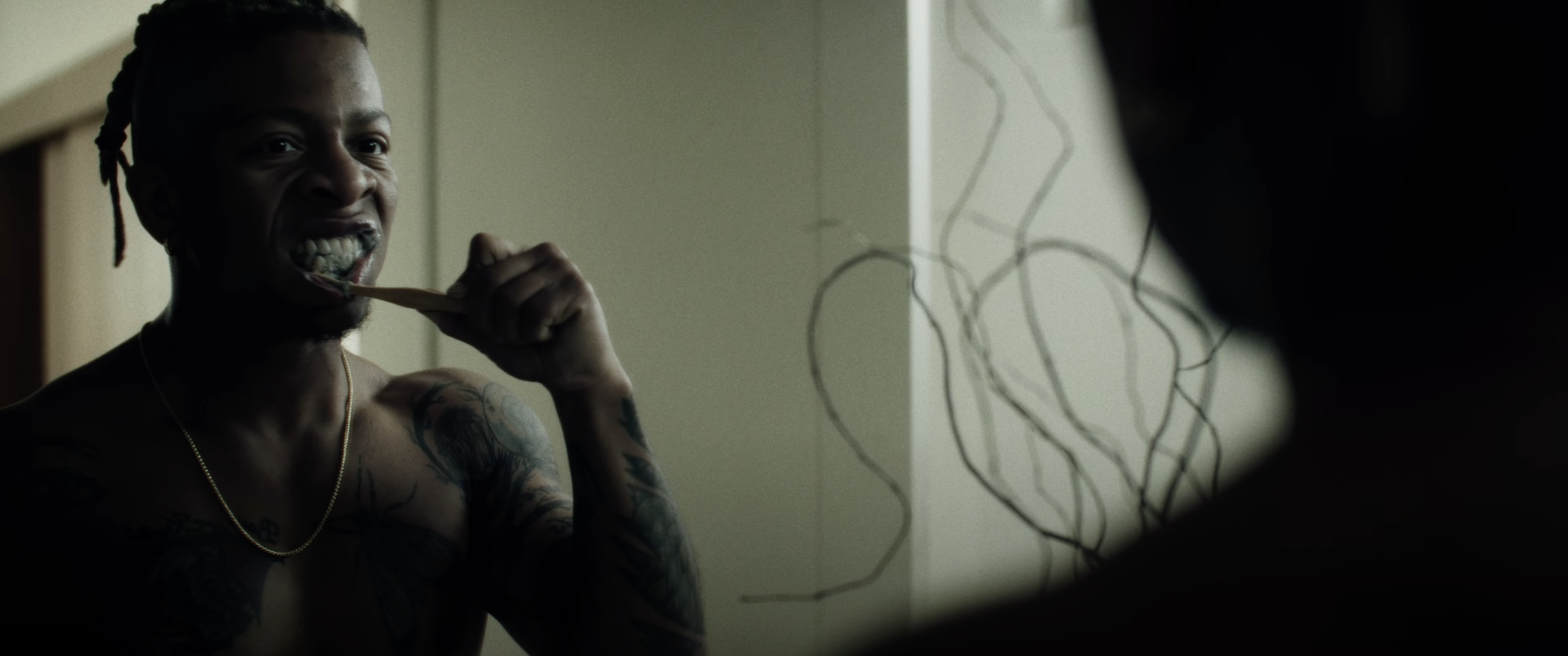
Use technique as an anchor
Objectives, emotional memory, physical action, and analysis can help you arrive. Stop displaying them once the take begins. When methods compete in your head, return attention to the person opposite you and the immediate need.
Technique is most useful when it directs attention toward life. An objective can clarify pursuit. Physical action can release tension. Analysis can reveal a turn. If the method becomes the thing you are demonstrating, return to the scene partner. Nobody watching needs to identify the tool. They need to believe the event.
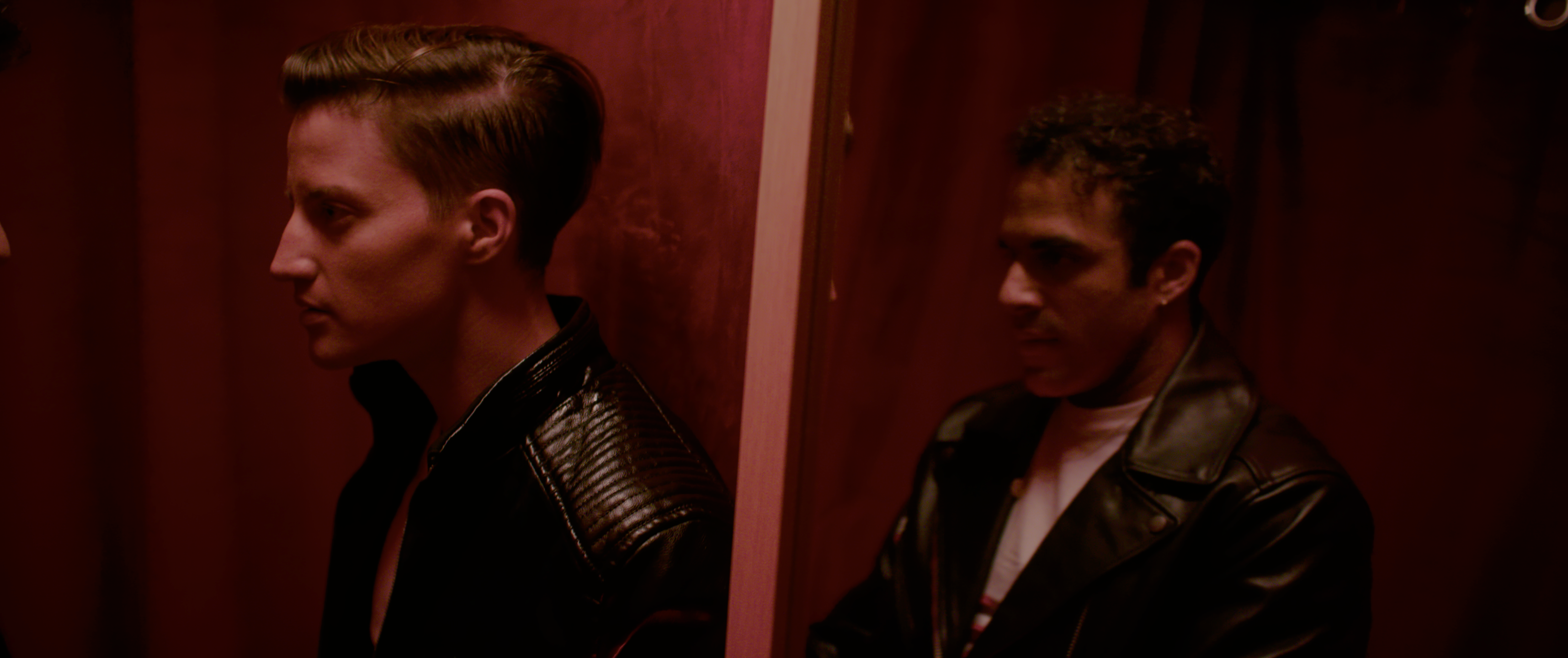
Practice presence under pressure
Camera sets include marks, continuity, framing, noise, and repeated takes. Practice receiving the scene while hitting the mark and repeating the action. Presence, focus, and connection are the foundation that lets every other technique function.
Marks and continuity do not have to destroy presence. Practice the physical path until it requires less conscious effort, then reconnect the action to intention. Cross because you need distance, pick up the object because it matters, and land on the mark as part of that behavior. Technical precision becomes invisible when it has a dramatic reason.
Train attention, not the appearance of emotion
Practice with a partner and repeat the scene while deliberately allowing timing to change. Keep the circumstances stable but notice something new each time. On camera, review whether the eyes and thought remain connected when you are not speaking. Presence cannot be manufactured as a look. It grows from sustained attention, honest reception, and the courage to let this take be different.
Watch the original video
This article was adapted and expanded from The Filmmaker's Mindset video: https://www.youtube.com/watch?v=peFfKfvMD-4


Comments