Actor Demo Reels: What to Keep, Cut, and Reshoot

Actors often know a reel is not working without knowing what to change. The footage may be professionally shot, the roles may be real, and the edit may have existed for years. Still, submissions feel quiet or the material no longer represents the actor standing in the room today.
The solution is not automatically to throw everything away. A clear audit can separate useful footage from sentimental footage, identify editing problems, and show whether one targeted reshoot could transform the whole reel.

Inventory the material without judging it
Collect every scene, not only the current reel. Include individual clips, short films, commercials, student projects, and custom footage. Record the year, image and sound quality, role type, emotional range, how prominently you appear, and whether the material still resembles you. This turns a vague feeling into specific information.
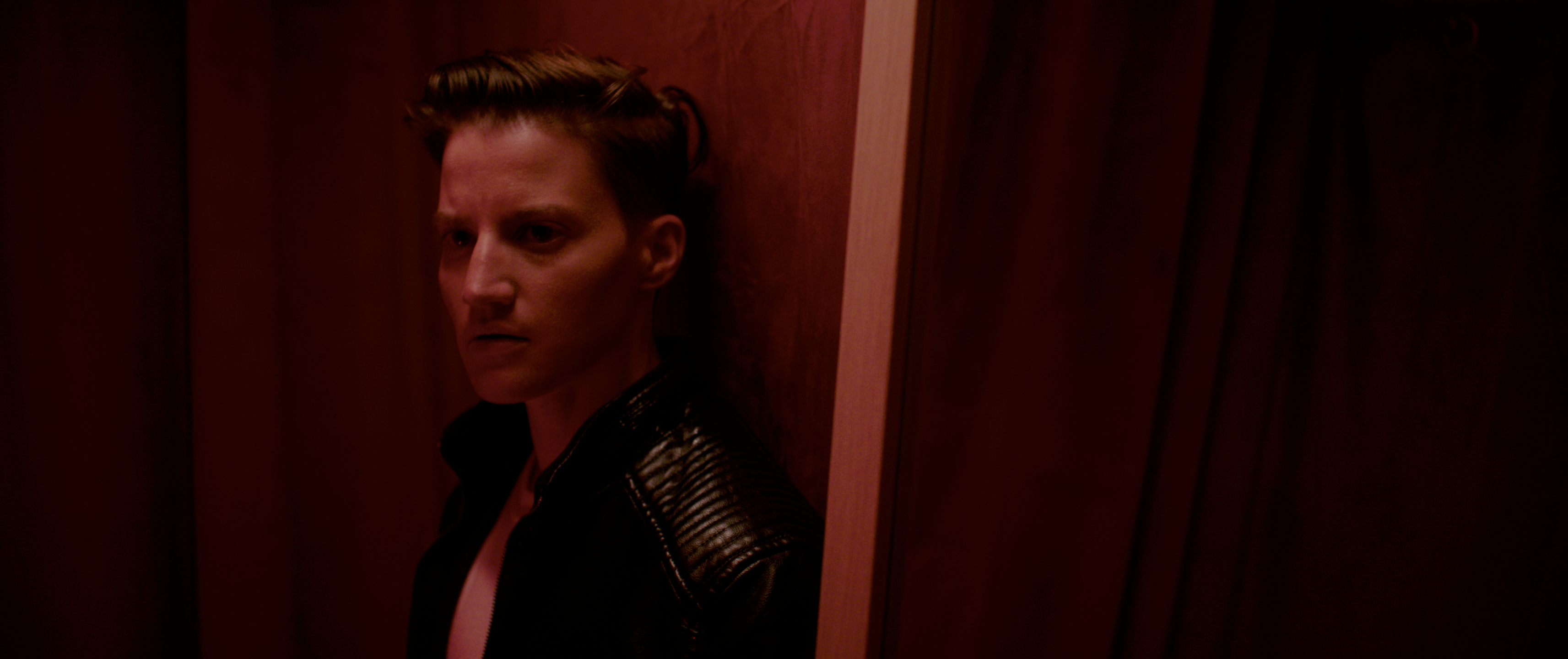
Keep what creates immediate confidence
A useful clip shows truthful behavior quickly, places you clearly in the frame, and belongs to the kind of work you want. It does not need to come from the most prestigious project. A small scene with excellent listening can be more valuable than a larger credit where another character owns the moment.

Cut repetition and distraction
Remove scenes that show the same energy at a lower level, take too long to reach you, contain weak sound, or create confusion about your current casting. Sentimental value is real, but the reel has a job. Keep an archive for yourself and let the public cut remain disciplined.
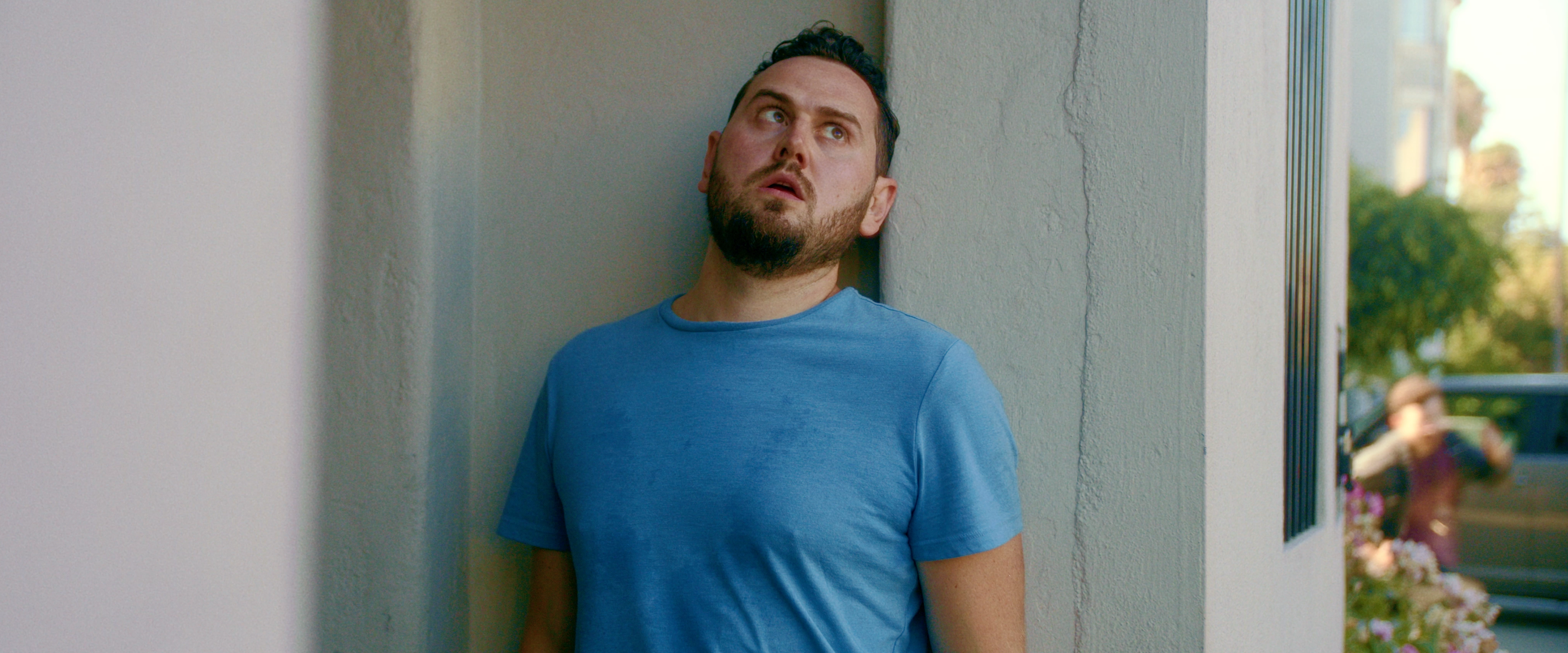
Reshoot the actual gap
Do not commission another general dramatic scene if the reel already contains three. Identify the missing evidence. It may be comedy, warmth, authority, romance, procedural language, or a grounded close-up. Build one scene around that need and make sure the writing, partner, direction, and coverage all protect it.
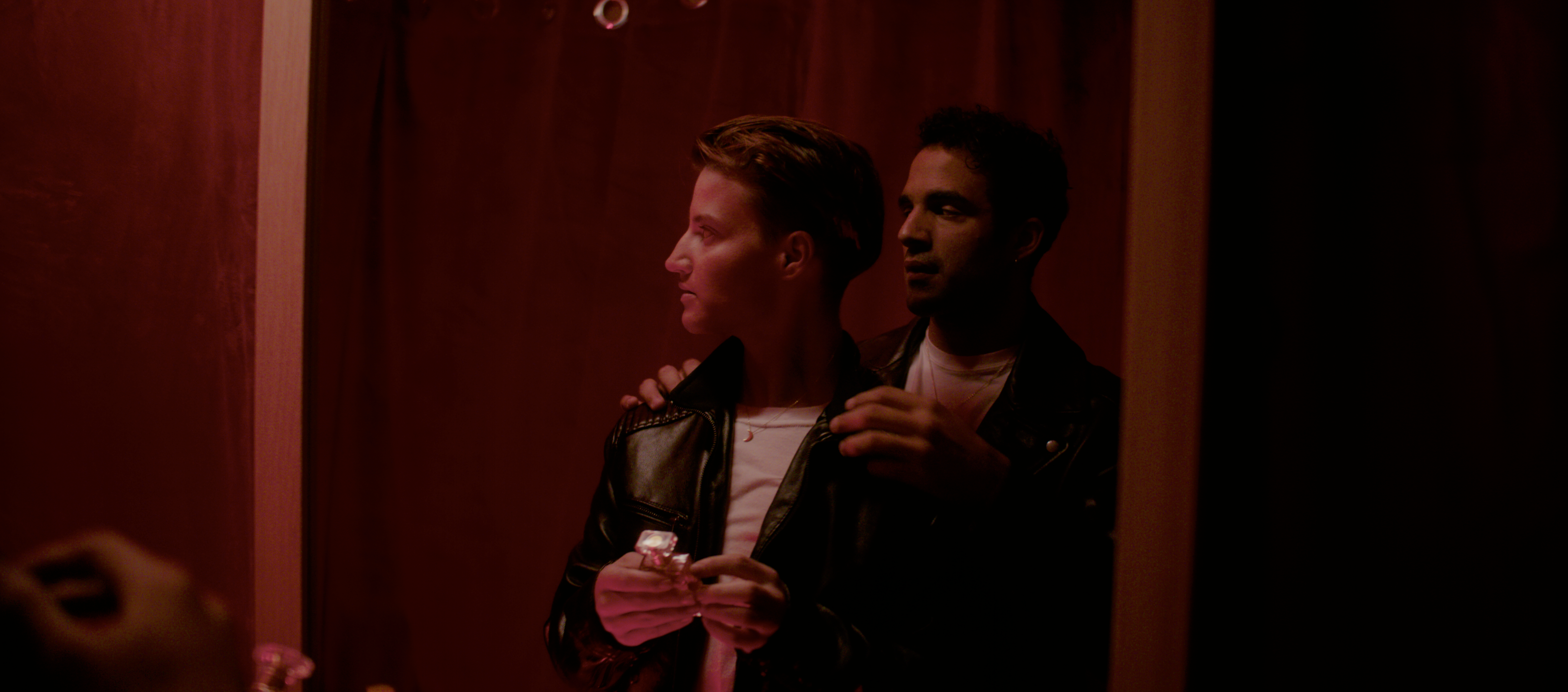
Rebuild the structure after the decisions
Once the material is selected, place the clearest current scene first. Create contrast, keep the actor visible, balance sound, and stop before the reel repeats itself. Export individual scenes as well as the main cut so submissions can be tailored.
Review the reel whenever your appearance, casting, or goals change. It is not a museum of every job. It is a current answer to a simple question: what can this actor do on camera right now?


Comments