Build a Filmmaking Portfolio Before You Feel Ready

Most filmmakers do not feel ready when they begin building a portfolio. They imagine the work will become representative after the better camera, larger crew, stronger script, or more experienced cast arrives. The problem is that those resources often arrive because earlier work already proved something.
A portfolio does not begin as a final statement. It begins as evidence that you can finish, learn, and make decisions. Small work can provide that evidence when it is created with intention.

Make the smallest project that proves one thing
Do not begin by trying to demonstrate every filmmaking skill. Create a scene that shows you can direct actors, a visual piece that demonstrates camera and light, or a short sequence built around editing and sound. A narrow goal makes limited resources feel focused rather than incomplete.
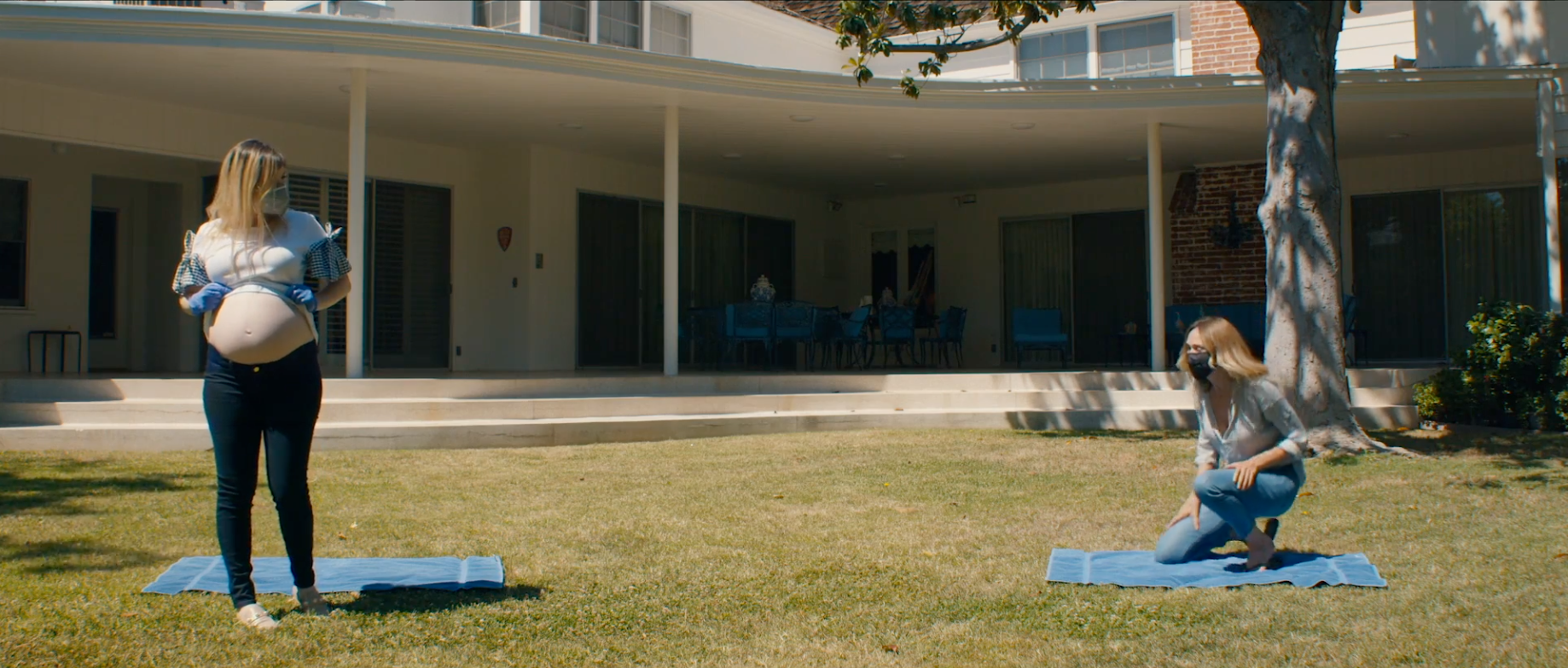
Use constraints instead of waiting for permission
Write for the location you can control, the actors who are available, and the schedule you can honestly support. Constraint does not excuse weak preparation. It gives preparation a real shape. A finished two-minute scene teaches more than a feature concept that remains on a hard drive for three years.
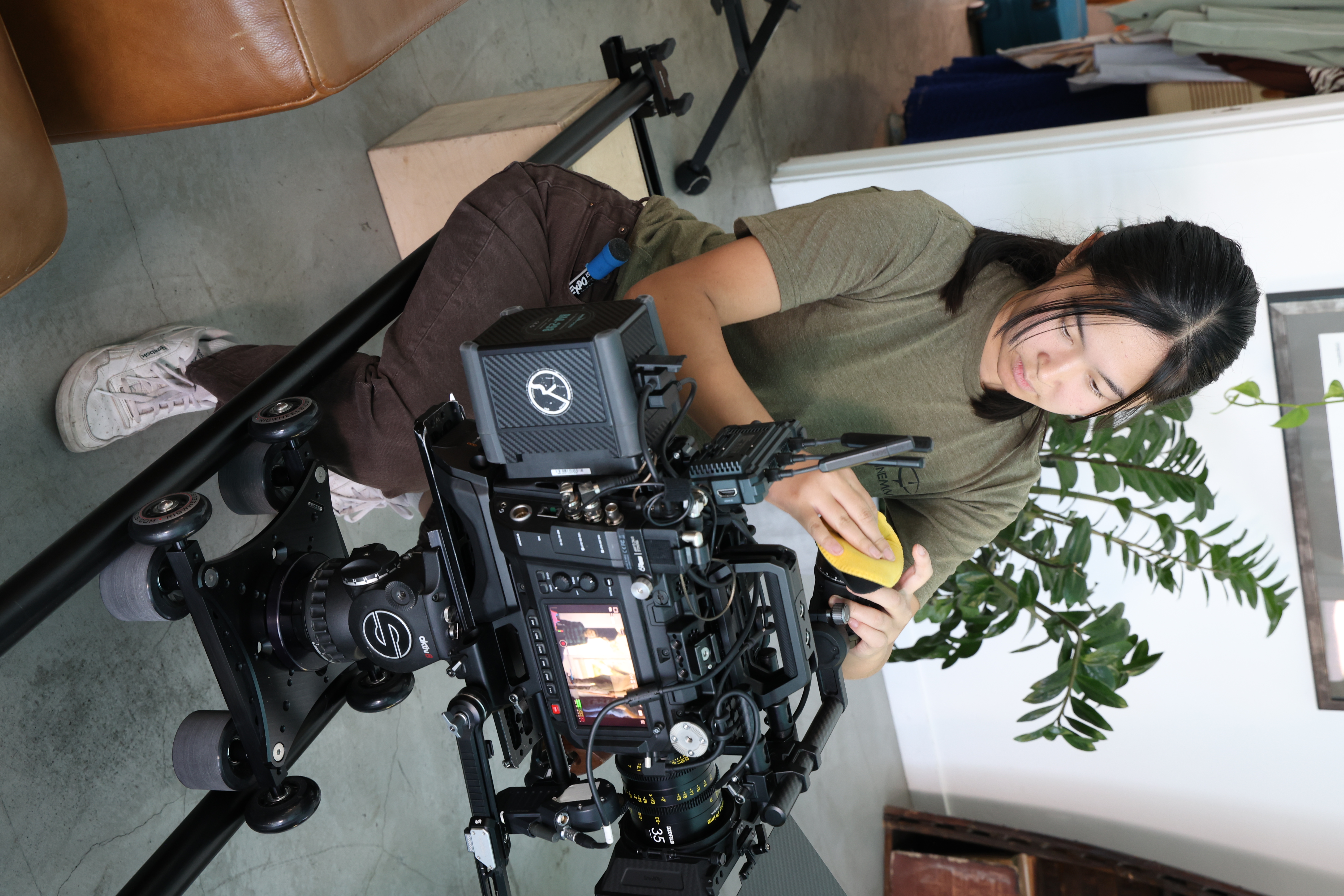
Collaborate with people who also need material
Actors, cinematographers, designers, editors, and composers are all building bodies of work. Clear collaboration can give everyone something stronger than they could create alone. Agree on credits, footage access, expenses, and release plans before the shoot so the portfolio piece does not become a future argument.
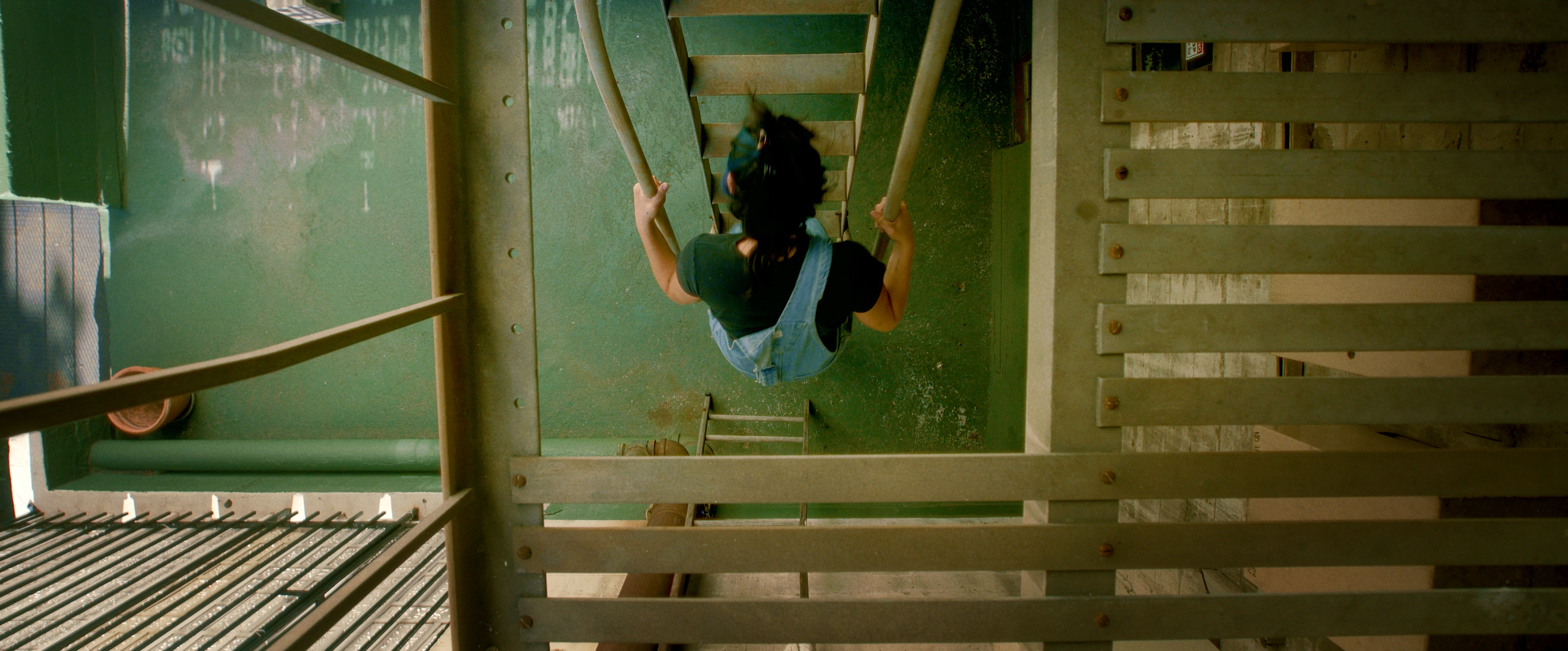
Document your role accurately
Keep stills, project notes, final files, and a clear description of what you contributed. If you directed and edited but did not shoot, say so. If a team shaped the concept together, credit that. Honesty does not reduce the achievement. It helps future collaborators understand exactly where your value sits.

Publish, learn, replace
The first portfolio should not survive forever. Finish the work, put it somewhere people can see, notice what it attracts, and make the next piece stronger. Replace early projects as your standard rises. That is growth, not disloyalty to the people who helped create them.
You do not need enough work to look established before you begin. You need one finished piece that represents a real decision. Then you need another.


Comments