Your Filmmaking Portfolio Is Not a Storage Folder

Updated: 15 hours ago
A lot of filmmakers treat a portfolio as the place where every finished project goes. I understand the instinct. Each film cost time, money, favors, sleep, and probably a small amount of emotional damage. Removing one can feel disrespectful to the work. But a portfolio is not an archive. It is an introduction.
The person watching does not know the history behind every clip. They are trying to understand what you do, whether your taste connects with their project, and whether you can deliver at a professional level. A shorter, clearer selection usually answers those questions better than a complete record of your career.
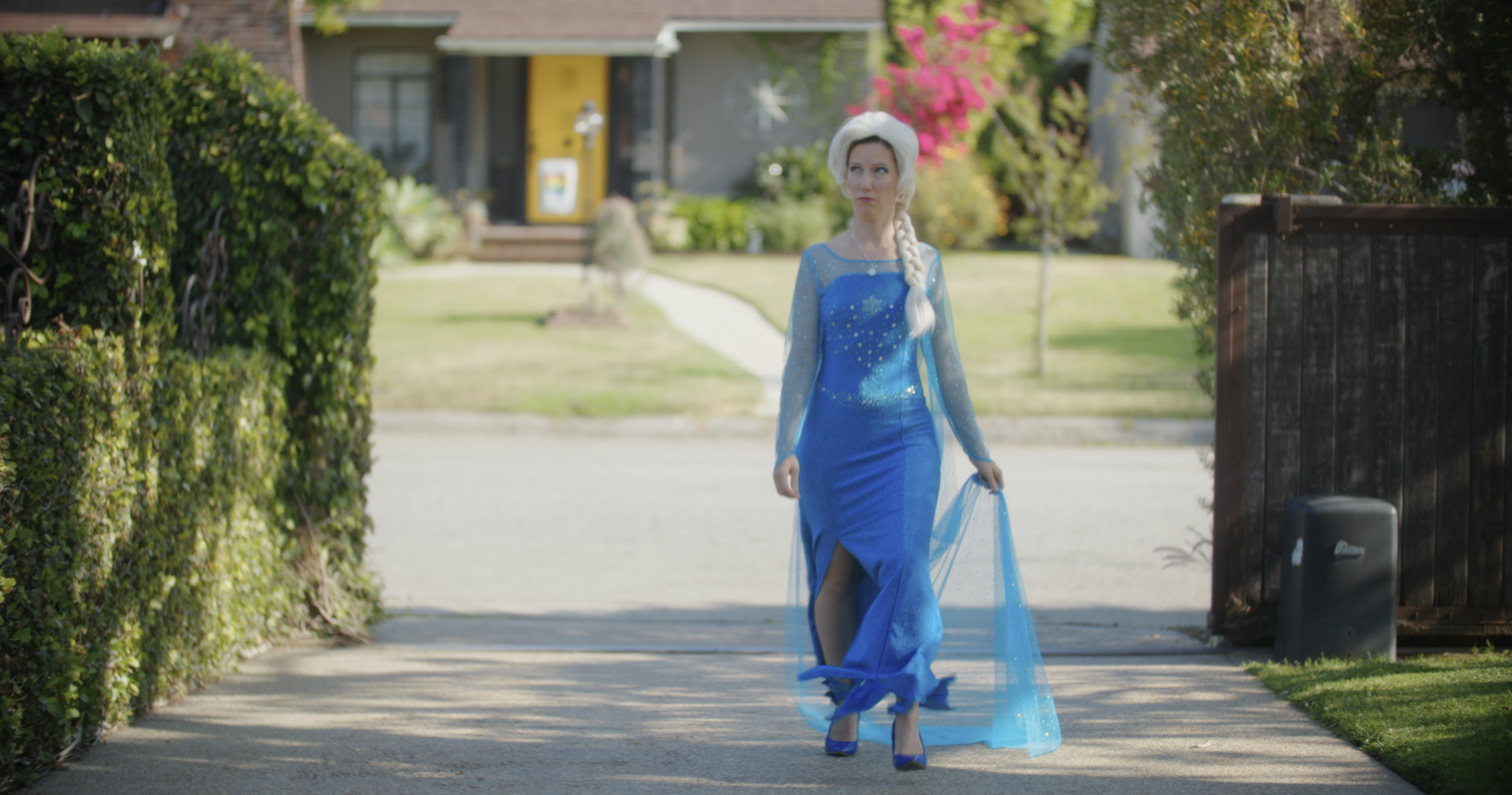
Decide what the portfolio is trying to prove
A director, cinematographer, editor, and production company should not automatically show the same cut. Decide who the audience is and what decision you want them to make. If you want narrative directing work, lead with scenes that show performance and story. If you want commercial cinematography, make the visual control obvious. One portfolio can have different versions for different conversations.
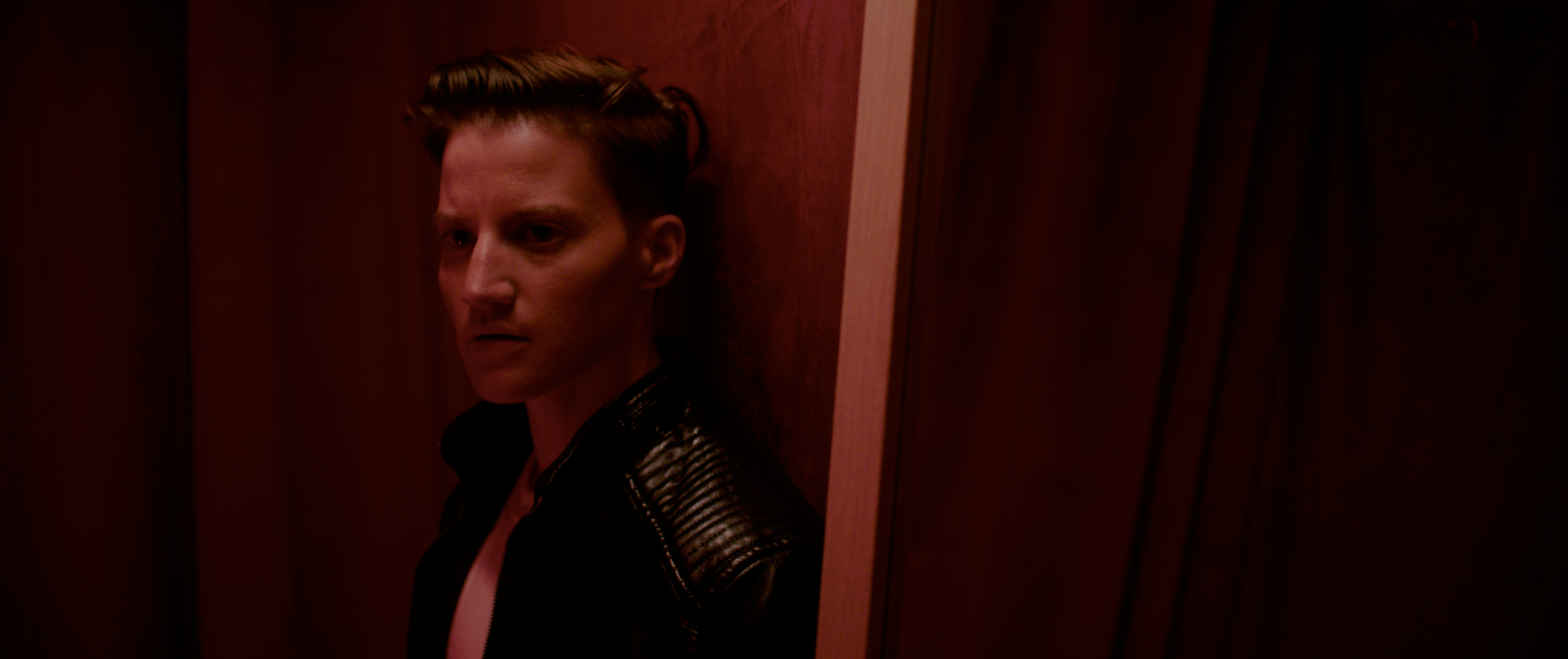
Lead with the work you want more of
People often hire based on the evidence already in front of them. If the first minute is full of projects you no longer want to make, the portfolio may work perfectly and bring you the wrong opportunities. Put the current direction first, even if some older credit was larger. Reputation often lags behind ability, so the portfolio has to help the industry catch up.

Sequence creates meaning
The order matters. Open with something confident and specific, then create contrast without making the reel feel random. A quiet performance scene can make a kinetic image more powerful when they sit beside each other. Cut anything that repeats information. The viewer should feel range, but they should also feel one person's taste connecting the work.

Make it easy to watch and understand
Use a clean website, clear role descriptions, fast playback, and current contact information. Say exactly what you did on each project. Do not imply that you directed a film when you shot it, or that you shot something when you only edited it. Clarity builds trust. Technical friction, broken links, and vague credits make even excellent work feel less professional.
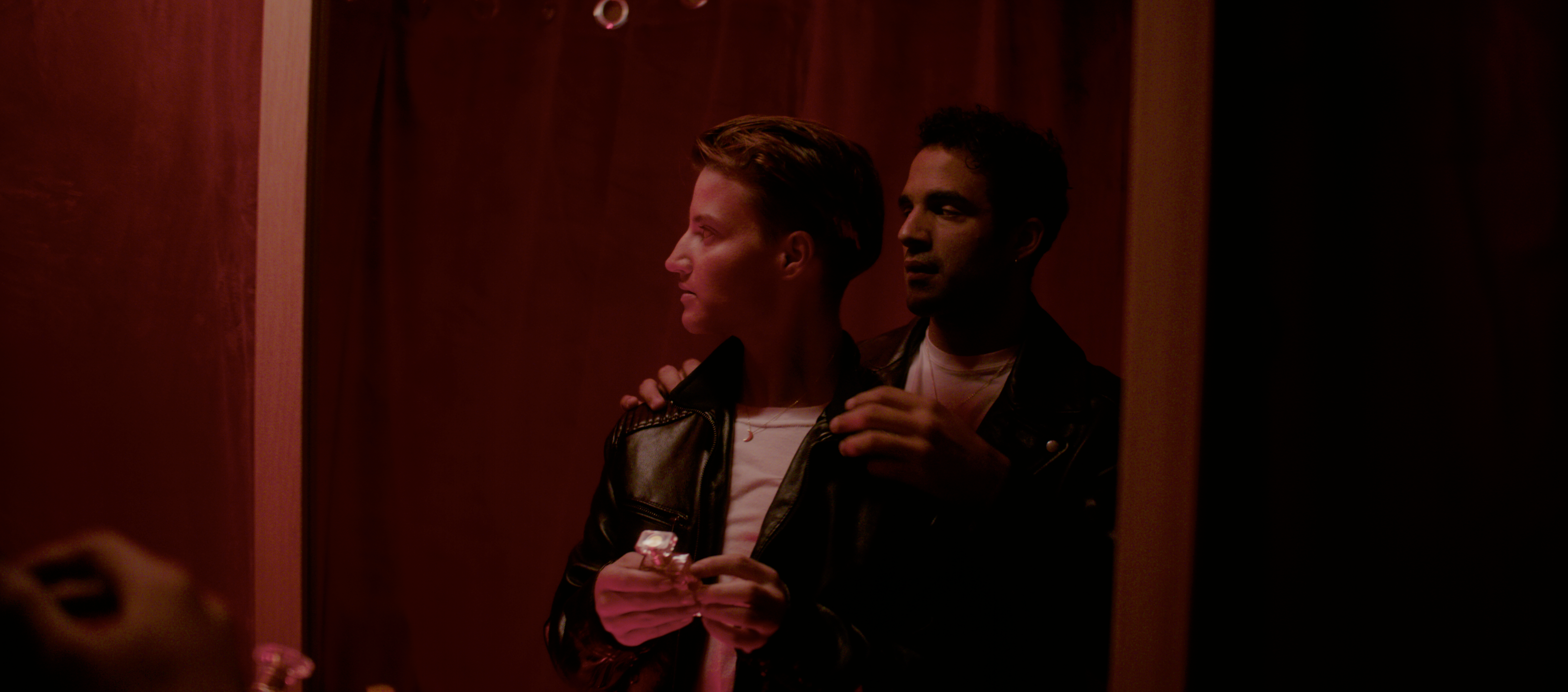
Curate, then keep curating
Review the portfolio every few months. Remove work that no longer represents your standard, add new pieces only when they strengthen the whole, and ask trusted collaborators what they think you actually do well. The answer may be different from the identity you have been trying to present.
A portfolio should show where you have been, but more importantly it should point toward where you are going. Treat it as an evolving creative statement, not a hard drive with a play button.


Comments