Talent Is Not Enough: Why Professionalism Gets Actors Hired

Updated: 22 hours ago
Actors cannot control every opinion, but they can control how they present themselves. Presentation is not only a headshot, reel, or audition. It is how you enter the room, speak to the crew, listen to direction, respond under pressure, and behave when work does not go your way.
A production hires more than a performance. It hires a person who will become part of a temporary working community under financial, creative, and time pressure. The actor may be brilliant in a take, but the team also needs to know whether that brilliance can be reached reliably without making every department's job harder.
Professionalism is sometimes mistaken for being quiet, agreeable, or without boundaries. That is not what I mean. Actors should ask necessary questions, speak up about safety, and understand their agreements. Professionalism means communicating clearly, choosing the right moment, respecting expertise, and keeping the shared goal larger than the need to control the room.

Trust the production process
I once worked with a capable actor who repeatedly stopped takes to challenge camera position, marks, blocking, and coverage. They struggled to trust everyone else doing their jobs. Momentum disappeared and the set became tense.
Trust does not require passivity. If a mark feels unsafe or a note is unclear, say so. But repeatedly interrupting a take to direct the camera, redesign coverage, or second-guess every adjustment pulls the actor away from the performance and breaks the production's rhythm. Bring your full expertise to acting while allowing cinematography, sound, wardrobe, and direction to carry their responsibilities.
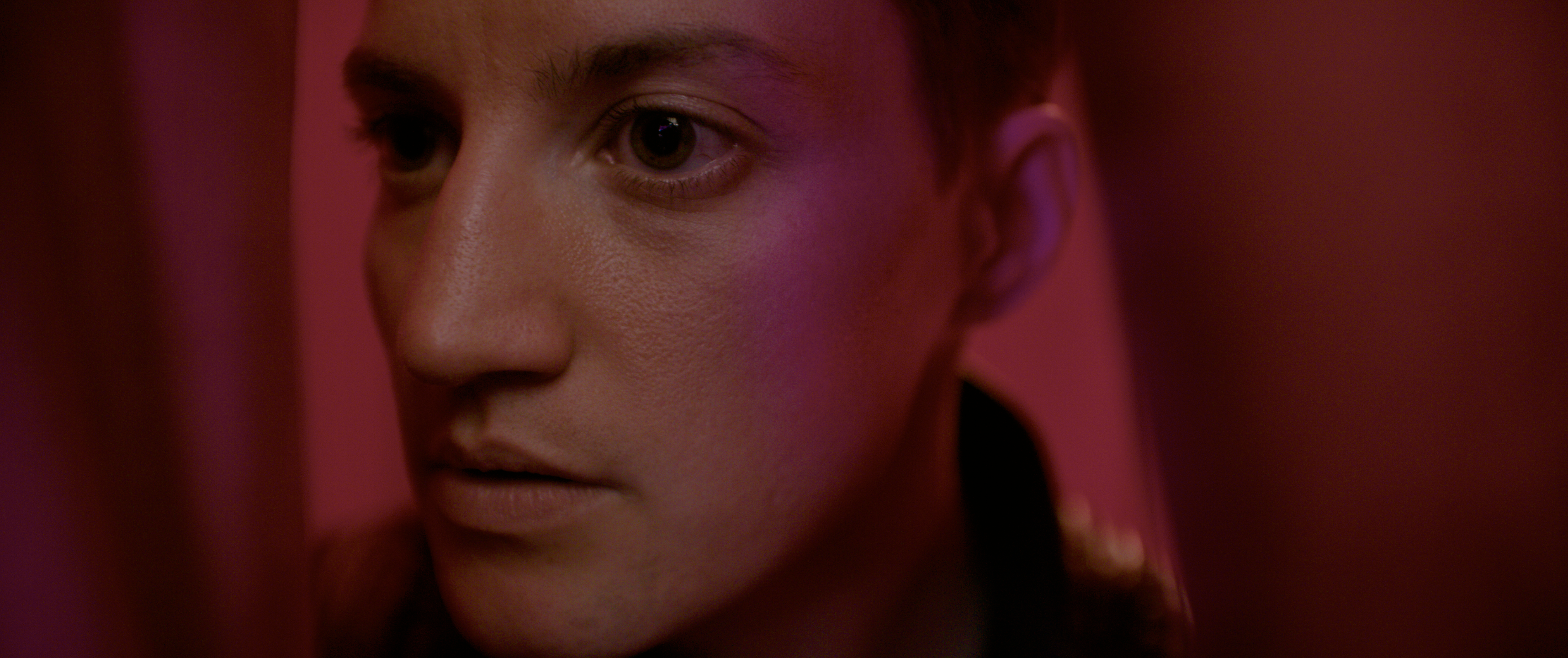
Direction is part of the job
Strong professionals prepare clear choices and remain open enough to adjust them. Confidence does not mean controlling every detail. It means trusting preparation while listening to the director. An actor who can translate a note quickly and stay emotionally available helps the entire production.
A prepared actor does not arrive with one fragile result. They understand the scene deeply enough to make a choice and flexible enough to change it. Notes may concern pace, eyeline, intensity, continuity, or how the performance fits a shot. Receiving an adjustment without defensiveness saves time and often reveals a version the actor would not have found alone.

Behavior becomes reputation
People remember reliability, humility, preparedness, and composure. They also remember defensiveness, lateness, gossip, and unnecessary conflict. A sincere apology matters, but repeated behavior becomes a pattern, and patterns travel quickly.
Reputation forms through small moments. Were you ready when called? Did you know the lines? Did you treat the production assistant with the same respect as the director? Did you create calm after a difficult take? People remember the emotional cost of working together. In a relationship-driven industry, that memory can matter as much as the material on a reel.
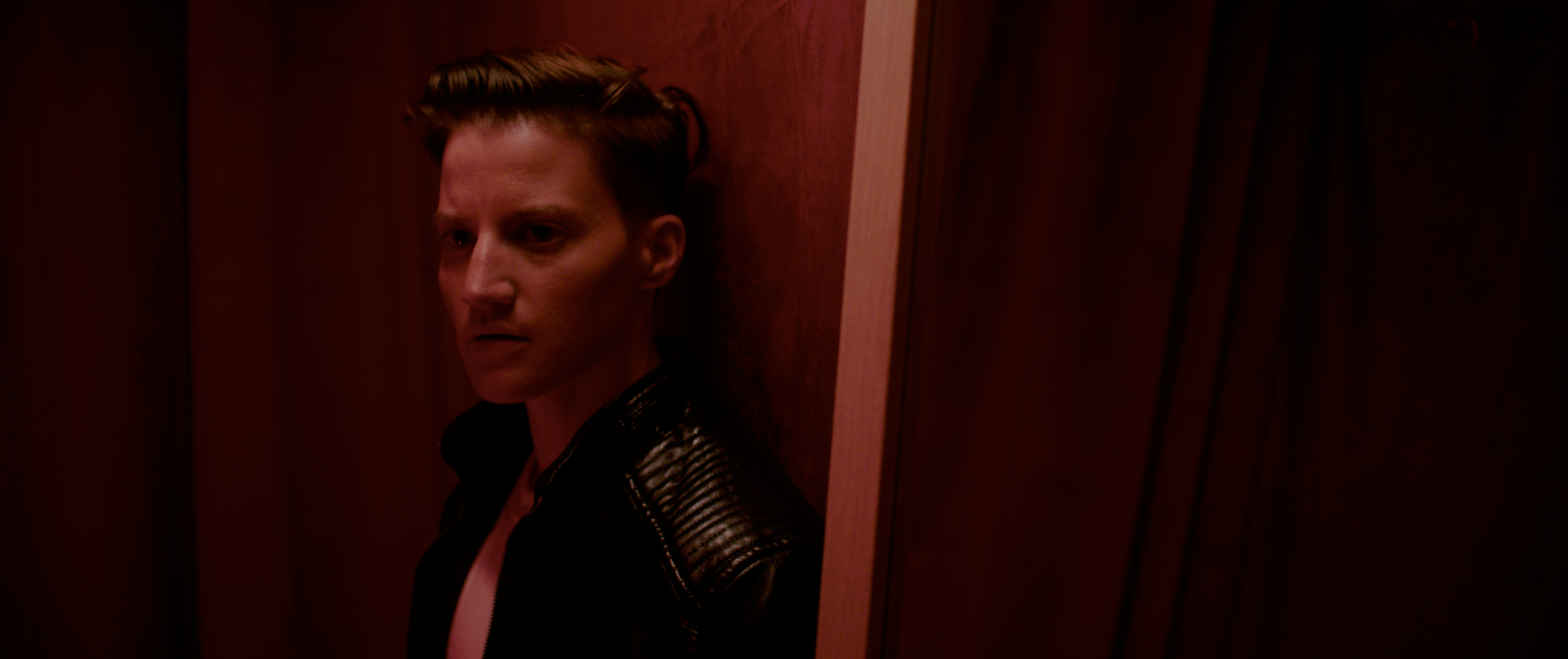
Control what belongs to you
You cannot control every casting decision or opinion. You can arrive prepared, respect the schedule, listen carefully, and contribute to a healthy set. Do your job well and allow everyone else to do theirs. Talent may open the door. Professionalism gets you invited back.
Boundaries and generosity can coexist. Read contracts, clarify nudity or intimacy, protect turnaround, and ask for what was agreed. Then contribute to the day with patience and attention. Professional actors understand that crew members may have been working long before they arrived and will continue after they wrap. Respecting that labor builds a healthier set.

Become the person the room can trust
Talent creates possibility, but trust converts possibility into repeated work. Prepare thoroughly, arrive on time, listen, communicate directly, and recover calmly when the day changes. None of this makes the performance less artistic. It creates the conditions in which risk and vulnerability are safer. The strongest compliment is not only that an actor was excellent. It is that everyone would gladly build the next project with them.
For more on developing your craft, read Why Every Screen Actor Should Do Theater. When you are ready to put that work on camera, see how to choose a demo reel studio in Los Angeles.
Watch the original video
This article was adapted and expanded from the original Filmmaker's Mindset video.


Comments